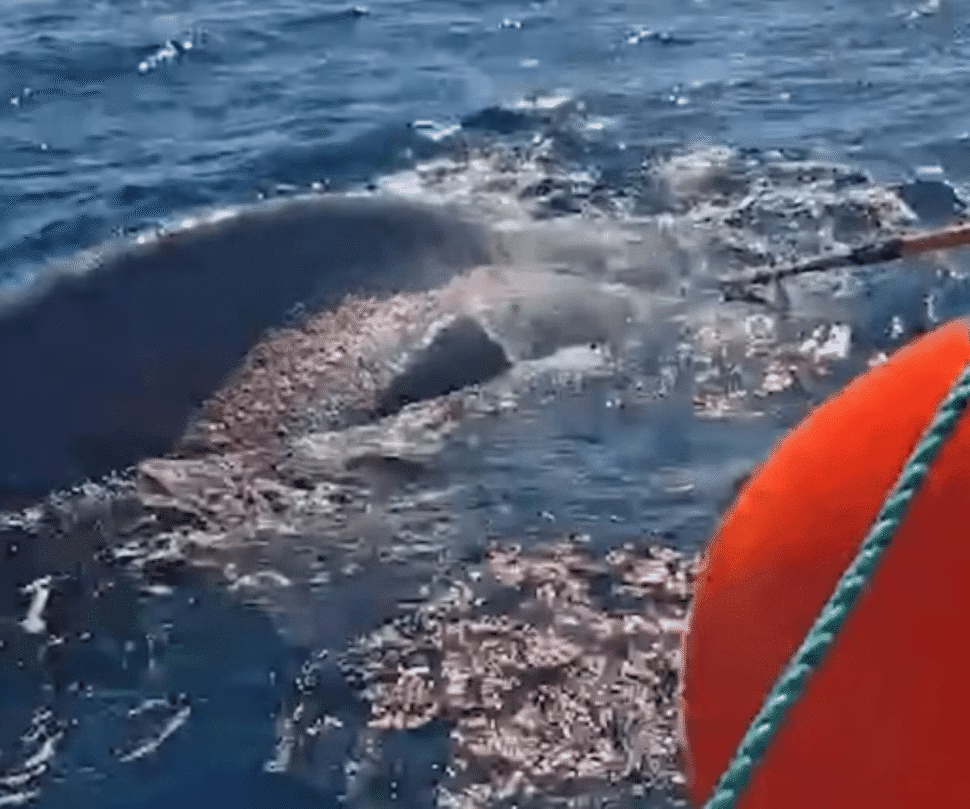
Personnel from Profepa, the National Network for Attention to Entangled Whales and tourism service providers freed a humpback whale trapped in a nylon net in Baja California Sur.
The rescue
The environmental authority, headed by Mariana Boy Tamborrell, reported that they located the entangled marine mammal and, following safety protocols, removed most of the material. This reduced the risk of amputation, infection or impairment of mobility.
Gillnets represent a constant danger to cetaceans, especially during humpback whale season in the Gulf of California.
Threats to the species
The Action Program for the Conservation of the species indicates that entanglement, collisions with boats, acoustic disturbances, habitat degradation due to pollution and urban development are the main threats. It also mentions whale watching tourism and other forms of harassment.
In Mexico, humpback whales are found throughout the Pacific from November to May, although some remain in the Gulf of California year-round. They have an annual migratory cycle: in summer they feed in groups; In winter they hardly eat, as they dedicate themselves to childbirth, breeding and competition between males for females.
According to Conabio, these mammals are part of the 11 species of bearded cetaceans in the world and are distributed in all oceans.