The health emergency worsens
Two weeks after the earthquakes that shook northern Venezuela, the humanitarian crisis intensifies. Thousands of victims go to mobile clinics and community kitchens in search of medical care and food. The UN appealed to raise $300 million and assist 1.3 million people.
The state of La Guaira, the most affected, concentrates the efforts of non-governmental organizations that now operate freely, in contrast to previous years of official restrictions. UN humanitarian aid director Tom Fletcher visited the area and warned of a rise in chronic and acute illnesses among survivors.
“They’re not just coming in with fractures anymore; they’re coming in with these other longer-term health needs,” Fletcher told The Associated Press.
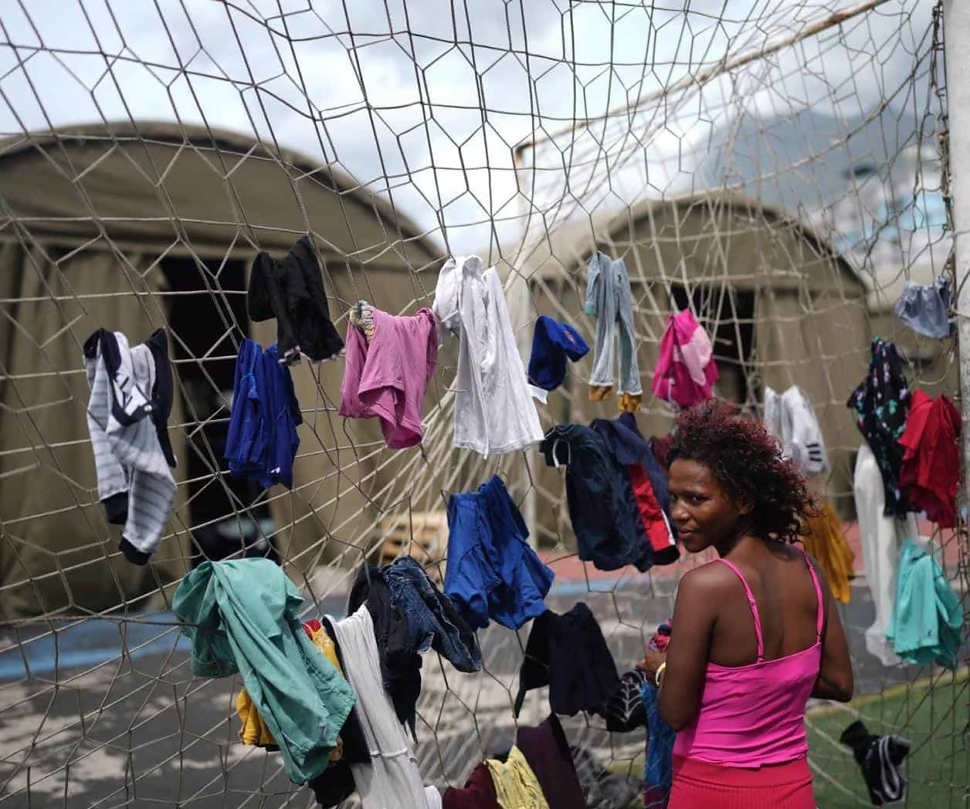
Doctors in Catia La Mar report an increase in skin conditions and diarrheal diseases. There is also a lack of medications for diabetes and hypertension. Overcrowding and poor water and sanitation conditions aggravate the situation.
Irma Echarri, 67, went to a mobile unit hoping to restock her eye drops and painkillers. He was also looking for relief for a nose pain that appeared after the earthquakes of June 24.
“It hurts quite a bit,” he noted while waiting his turn.
The earthquakes left 3,889 dead, 190 buildings collapsed and 856 structures damaged, according to authorities. Some 18,000 people lost their homes and live in schools, sidewalks and parks.
Zulbey Reyes, 41, lost her job as a nanny and her house. He went to a clinic run by the Paluz organization, in alliance with the International Rescue Committee, for chest pain. The diagnosis revealed a nerve inflamed by the scream on the day of the earthquake.
The Pan American Health Organization reported that 50% of health professionals in La Guaira were directly affected: some died, others disappeared or suffered family crises.
According to the UN Office for Disaster Risk Reduction, damage to homes and infrastructure amounts to about $37 billion. So far, the United States has provided most of the aid. The response contrasts with the previous persecution of NGOs under the government of Nicolás Maduro.
Fletcher concluded: “When you have a crisis of this magnitude, people put politics aside and can focus on saving as many lives as possible.”