


The show must go on: this is Sheinbaum’s ‘Plan B’
The first act failed in the House. But in politics, as in theater, there is always a second act. President Claudia Sheinbaum has just revealed the details of her so-called electoral ‘Plan B’, after her original initiative was rejected.
Its central argument has not changed. He insists that it is about ending what he calls ‘privileges’ in the parties and in the National Electoral Institute (INE).
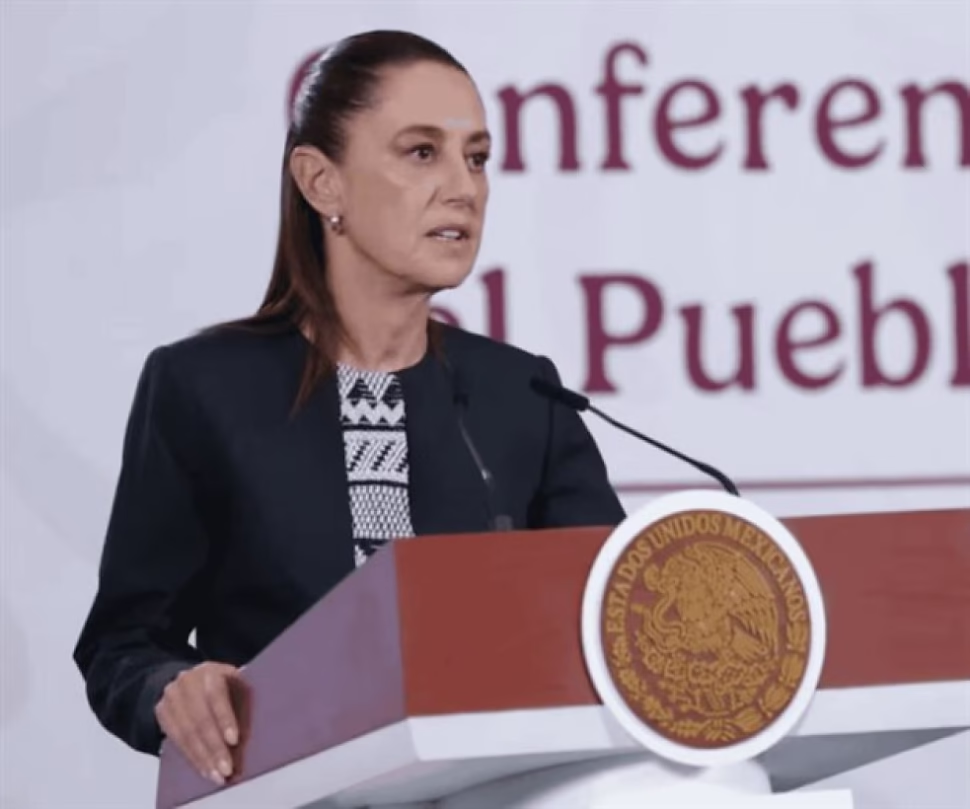
“For years, our goal was always to end the regime of corruption and privileges. There are still areas of privilege in Mexico,” Sheinbaum said during his conference.
The narrative is clear: it presents a battle between resources for the ‘political class’ and the urgent needs of the people. It appeals directly to citizen perception.
“The people of Mexico think it is excessive that so many resources are allocated to political parties (…) that the INE advisors continue to earn more than the president,” he said, connecting the debate with sensitive issues such as water and drainage.
A calculated vote
Here comes the interesting thing. Sheinbaum admitted something crucial: he knew he would lose the vote, but he insisted on bringing it to the plenary session. Because?
“I insisted that a vote be taken because I complied with the people… it was also important to see who voted to reduce privileges and who did not,” he said.
It was a strategic move. It was not just about reform, but about drawing lines, about creating a public record of ‘who is with the people and who defends privileges’. It is pure political theater, but with real consequences.
Now, Plan B maintains the same essence: reduce electoral system expenses to redirect funds to social programs. It promises to strengthen citizen participation, although concrete details are still vague.
The final message is simple: public resources should go to the people, not to political structures. Sheinbaum turns a legislative setback into a platform to renew his offensive narrative. The second act has just begun.


