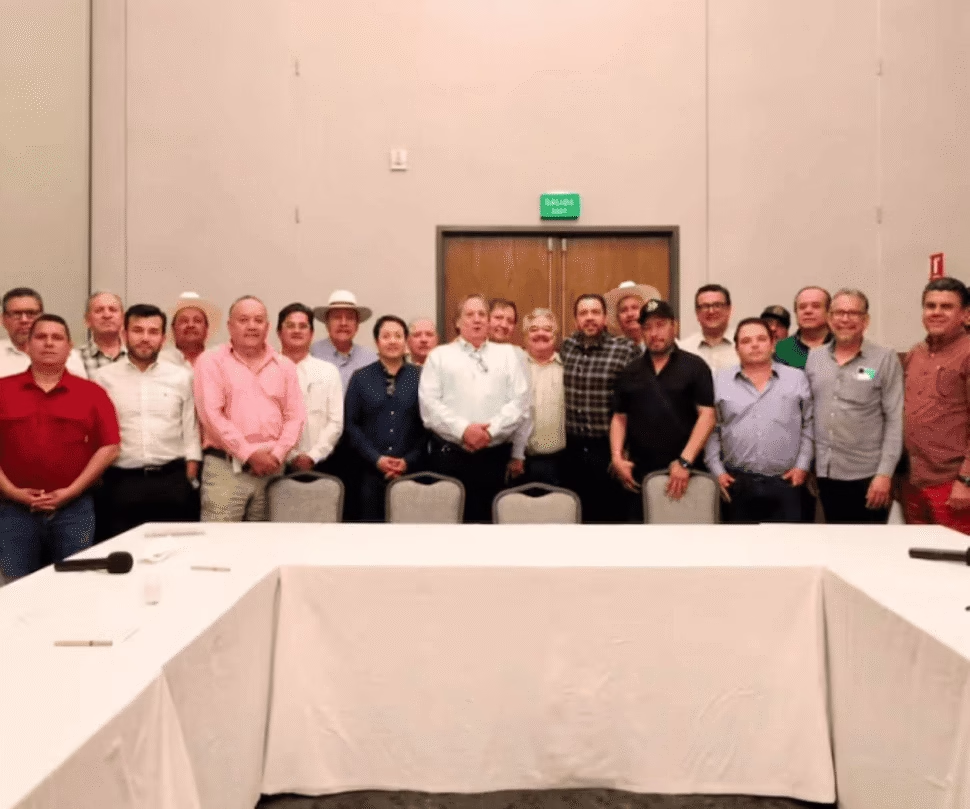
Unanimous support from the agricultural sector
Representatives of agricultural organizations and producers from Sinaloa expressed their support for the operation of the Gas y Petrochemical de Occident (GPO) ammonia plant in Topolobampo. They consider it a strategic infrastructure for the agricultural, economic and social development of the state.
In a meeting led by the Secretary of Agriculture and Livestock, Ismael Bello Esquivel, they agreed that ammonia is an essential input to produce fertilizers, essential for the productivity of the field and the supply of food.
Mexico relies heavily on the import of ammonia to meet national agricultural demand. This generates risks of shortages, higher production costs and vulnerability to external factors that affect supply chains.
In Sinaloa, the country’s main food producer, the situation is especially relevant. Each agricultural cycle requires thousands of tons of fertilizers to serve nearly 900 thousand arable hectares. Having an ammonia production plant in the state would strengthen the competitiveness of the sector.
Agricultural leaders highlighted that a local source of supply would reduce logistical risks, improve product availability, reduce costs and provide greater certainty. They recalled that in recent cycles they have faced difficulties in obtaining timely supplies, forcing them to import and transport the product from long distances.
“For a state with an agricultural vocation like Sinaloa, having a plant that guarantees the supply of one of the main inputs for food production represents an opportunity to build a stronger, more competitive and sustainable field. The production of fertilizers directly impacts the food security of Mexico and the ability of our producers to continue feeding the country,” expressed the participants.
Present at the meeting were Jesús Alberto Rojo Plascencia, president of the Confederation of Agricultural Associations of the State of Sinaloa; Roberto Bazúa Campaña, president of the AARC; as well as representatives of other organizations and leaders in the sector. They reiterated their willingness to maintain a permanent dialogue with authorities, society and companies, prioritizing the interest of producers and the development of Sinaloa.