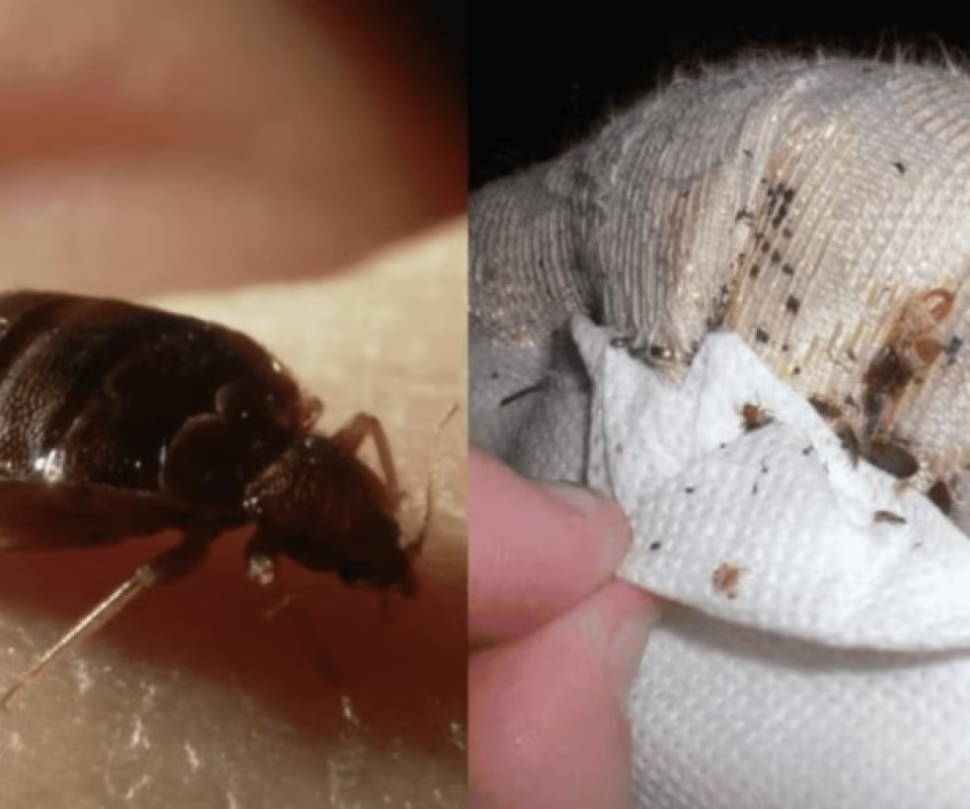
The pocket vampires who love heat (and your blood)
Have you heard about bed bugs? Of course. Those six-pack hematophagous parasites, miniaturized and with an enviable work ethic, dedicated to sucking blood from humans, mammals or birds for their survival and, let’s assume, for their gastronomic delight. They are not an urban myth; They are more common than your pride allows you to admit. They are irresistibly attracted to your body heat and the carbon dioxide you exhale (basically, they love your breath), and they have a fetish for living in cracks in walls, bed frames, electrical outlets and, their favorite resort, mattresses.
And for your peace of mind (or perhaps for your greatest horror), its presence is not related to lack of cleanliness. Alleluia! So you can say goodbye to that guilt. Its appearance is so democratic that it does not discriminate levels of hygiene. They are classy parasites, who have been perfecting the art of being one of the least pleasant visitors in any home for thousands of years. They are, in essence, the eternal backpackers of human history.
The sarcastic manual for glorious extermination
According to the experts at the Healthline site, as temperatures rise, so does the appearance of these bugs. Obviously, the heat does not magically “create” them out of nowhere – although that would explain many things – but it does accelerate their life cycle, increase their activity and, since they are inveterate travelers in the summer, they spread with the effectiveness of a false rumor on social networks.
Here we present a series of steps, adorned with a necessary cynicism, so that you can get rid of them as quickly as possible and recover your dignity:
1. Confirm infestation:Because maybe those online bites aren’t a new trend in body art. Look for black stains (their modest feces) on sheets or the mattress, shed skin (a skin version of leaving clothes lying around?), or white eggs. If you find all of that, congratulations: you have tenants who don’t pay rent.
2. Isolate and prepare the room:Do not move objects around the room. Because? Because you could spread the bed bugs to other places, like a macabre invitation to a party that no one wants to go to. Remove sheets, covers and pillows and place them in airtight bags. Treat them as evidence of a crime, because they basically are.
3. Wash with hot water:The next thing will be to wash the bedding, curtains, and everything that has been in ground zero at more than 60° C. This way you will get rid of the insects and their most recent eggs. Then, dry each item of clothing on high heat for a minimum of 30 minutes. Think of it as a deadly sauna for bugs.
4. Vacuum thoroughly:Use a vacuum cleaner for the mattress (paying special attention to seams and edges, your favorite suites), bed frames, crevices and furniture. Then, throw away the bag or empty the container outside the home, tightly sealed. We don’t want them to come back as if nothing had happened, right?
5. Treat the mattress and bed:Cover the mattress and pillow with anti-bed bug covers with airtight closure. These covers are basically a maximum security prison for any survivors of the washing and vacuuming holocaust, thus preventing new infestations in case any eggs were lucky enough to escape.
6. Use chemical or heat treatments:This is where things get serious. Professional heat treatment raises the temperature of the entire room to over 50°C for several hours, frying bed bugs and their eggs without chemicals. If that’s not an option, specific insecticides are your plan B. Apply them to cracks, the mattress and furniture, and repeat in 7-10 days to deal with late-hatching eggs. And please wear gloves and ventilate. We don’t want them to survive and you don’t.
And the final piece of advice, because there is always one: forget about homemade insecticides such as alcohol, chlorine or vinegar. They are as effective as a snap of a finger in defeating Thanos. Avoid throwing furniture into the street, because you could spread the pest and become the hated neighbor of the year. And keep an eye on the area every two months, because these creatures are tougher than the plot of a soap opera.
Ready to become the hero of your own entomological horror story? Share this survival guide with all those who may need it (or to laugh a little at other people’s misfortunes) and explore more of our content to tame the daily chaos. The fight against house vampires is real, but at least we can laugh in the process.