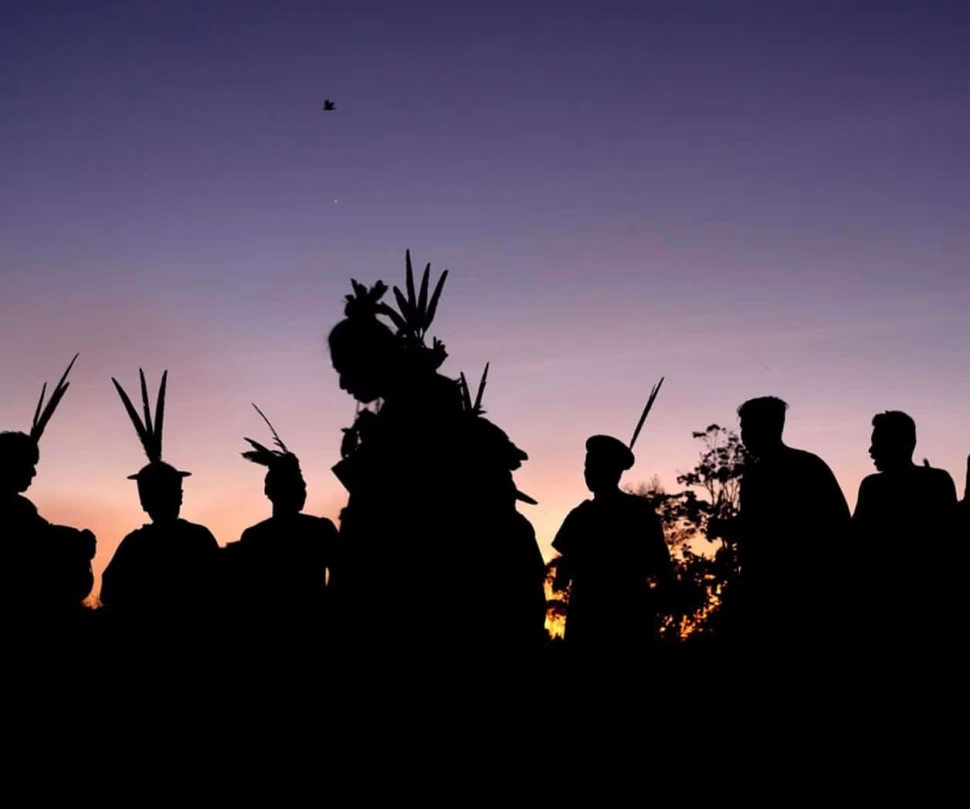
The Ashaninka indigenous community, which recovered its territory on the Brazilian border with Peru three decades ago, now faces a growing threat. Gangs and drug trafficking groups invade their lands, using the Amazon rivers to move drugs. Leaders have reported violent episodes, including this month, and demand protection from the Brazilian government.
The invasion is part of the expansion of criminal routes in the Amazon, known as the Solimões River route. Experts point out that indigenous territories are key to stopping deforestation, but they also offer attractive hideouts for traffickers.
Blind spot in security
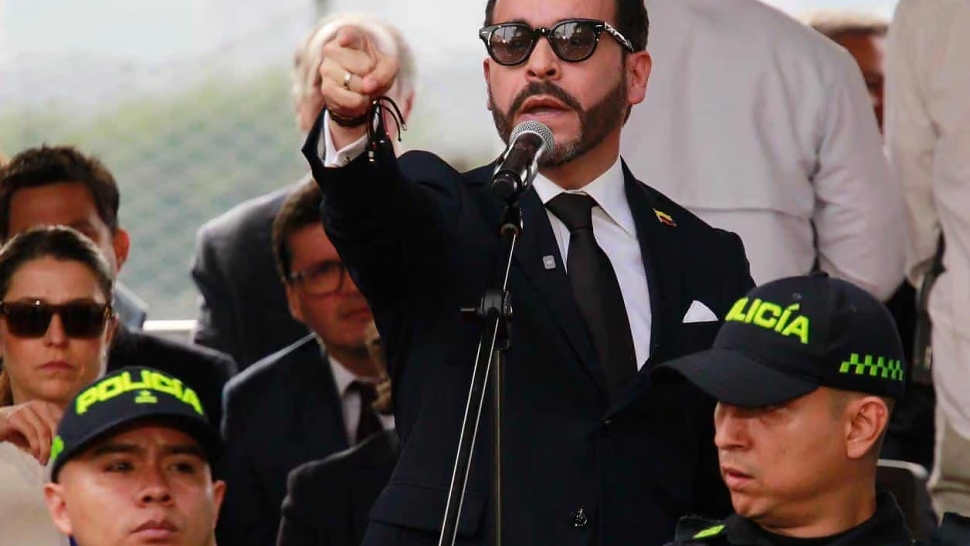
Jonatas Soares, mayor of Tabatinga and police officer, said:
“There is an institutional and intercultural blind spot in the public security services provided to indigenous peoples. The State formally recognizes their territories, but fails to translate that presence into continuous protection adapted to their specific needs.”
The Solimões route—from the border with Peru to Manaus—is largely controlled by the Red Command, according to retired colonel César Mello, an expert in Amazon security. Mello warns that indigenous communities are vulnerable due to their remote location, lack of supervision and cultural differences.
Resistance and complaints
The Ashaninka have refused to collaborate with traffickers. In the past, they rejected the construction of a clandestine landing strip. Francisco Piyãko, coordinator of the Organization of the Indigenous Peoples of the Juruá River, related:
“We have a long history of opposing any type of illegal activity.”
On July 6, a group of five armed men—Spanish speakers with machine guns—invaded Kampa territory, threatening families and searching for leaders. Piyãko filed a formal complaint and security forces were deployed. “They came looking for our leaders, with the intention of killing them,” he said.
Brazil’s Indigenous Peoples and Justice ministries did not respond to requests for comment. The Foreign Ministry reported that they will receive the Ashaninka leaders in Brasilia to evaluate joint actions with Peru.
In previous months, Judge Flávio Dino ordered the federal government to intensify work against organized crime in the Amazon. Piyãko stressed that confronting these groups is not the responsibility of the indigenous people, but of the State: “They allowed this to happen due to their absence, so they bear that responsibility.”