Trump assures that Iran seeks to negotiate despite threats and sanctions
The situation between the United States and Iran is a diplomatic puzzle where the public and private pieces do not fit together. On the one hand, President Donald Trump issues military warnings and announces new 25% tariffs for countries that negotiate with Tehran. On the other, his administration receives what it describes as private messages of Iranian openness.
“I think the president has an interest in those messages to explore,” said White House press secretary Karoline Leavitt. “However, that said, the president has shown that he is not afraid to use military options when he deems it necessary, and no one knows this better than Iran.”
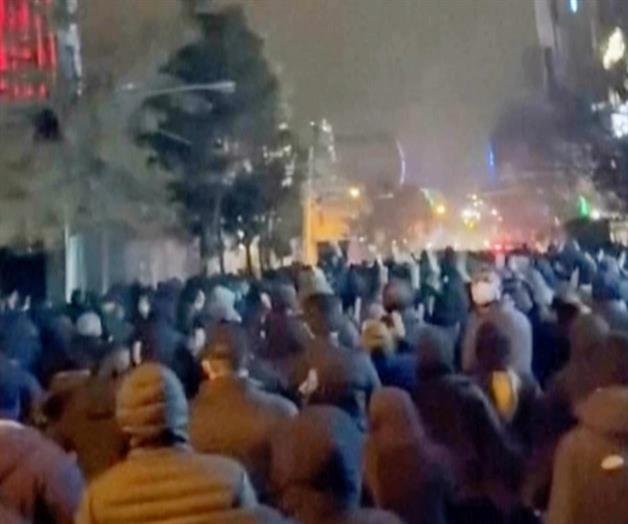
The backdrop is bloody: according to the Human Rights Activists News Agency, the protests have left at least 646 deadand more than 10,700 detained in two weeks. The Iranian government does not offer official figures, and the information blackout – with the internet cut off – makes it difficult to verify what is happening inside the country.
A dialogue between the lines
The curious thing is the contrast between public rhetoric and supposed private channels. As pro-government protesters chanted “death to America!” On the streets of Tehran, Iranian Foreign Minister Abbas Araghchi blamed Washington and Israel for the violence but added that his country is “open to diplomacy.”
Ministry spokesman Esmail Baghaei was more specific: there is an open channel with the US, but talks should be based on “the acceptance of mutual interests and concerns,” not on unilateral impositions. This position clashes head-on with Trump’s demands on the nuclear program and the Iranian ballistic arsenal.
The visit of the Omani minister – a traditional intermediary – to Tehran last weekend fuels the theory that there are diplomatic movements behind the scenes. But Trump maintains maximum pressure: in addition to the tariffs announced this Monday (which would affect Brazil, China, Turkey, the United Arab Emirates and Russia), he warned of a military response “of unprecedented intensity” if Iran retaliates.
Internal repression and the economic cost
The protests began over the economic debacle – the rial is trading at more than 1.4 million to the dollar – but quickly escalated to direct challenges against the ruling theocracy. The response has been brutal: official text messages warn families to take care of their young people, calling protesters “enemies of God” – a charge that carries the death penalty.
A witness in Tehran described to the AP empty streets at dusk for fear of repression. Meanwhile, state television broadcast massive images of pro-government rallies, attempting to show control over the situation it called “Iranian uprising against American-Zionist terrorism.”
Strategic calculation is complex. Trump believes that economic sanctions are effective tools to break the will of friends or enemies. But Tehran insists that its military program is crucial to national defense. With US elections on the horizon and a strangled Iranian economy, both sides appear to be testing the other’s limits before actually sitting down to talk.
Real negotiation or strategic game? For now, there are only crossed statements, veiled threats and a civilian population caught in the middle.
—
Did you find this analysis useful? Share it on your social networks to keep your community informed about this international crisis.