The OAS gets involved where it is not called (and Sheinbaum does not buy it)
Ah, the Organization of American States (OAS), that entity that, when it is not busy issuing reports that no one asked for, probably debates what color tie to wear at upcoming meetings. This time, he decided that his opinion on how Mexico should manage its Judiciary was as necessary as a cactus in a hot air balloon. And, surprise, Claudia Sheinbaum was not exactly delighted.
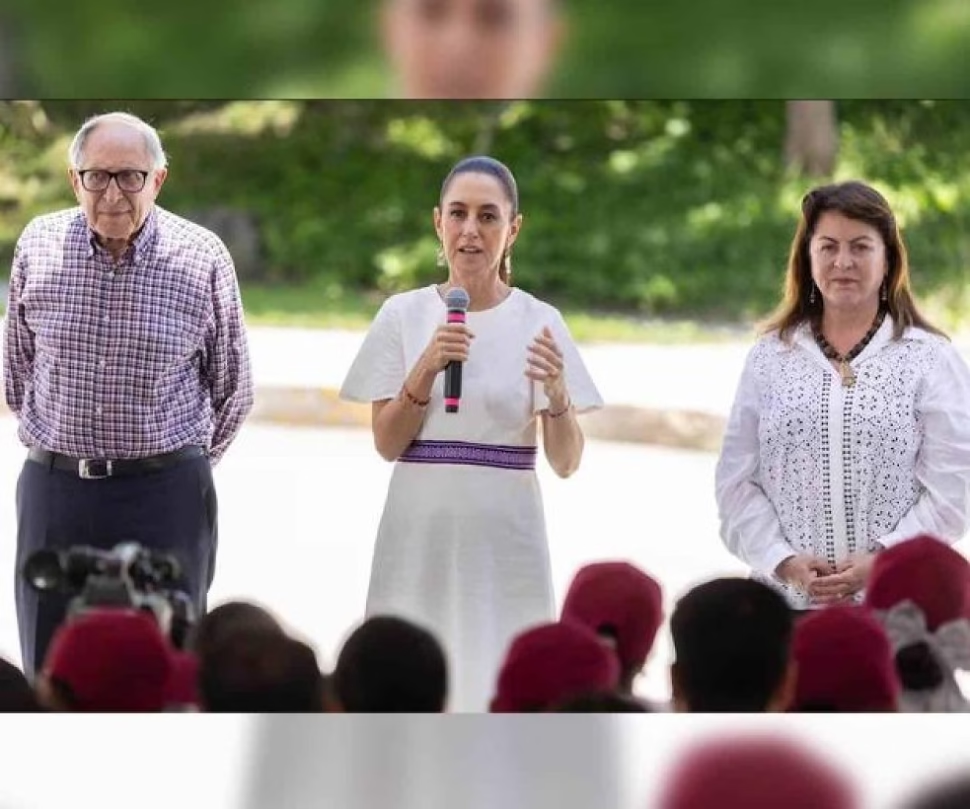
The president, with that calm that can only come from years of dealing with politicians and international organizations, made it clear that the OAS has no candle in this funeral. “It is not within its functions to give recommendations on how a country should decide its Judiciary,” he said, probably with a smile that could melt steel. And where did he release it? In Coatetelco, Morelos, because what better place to remind the world that Mexico is not a backyard.
The Foreign Ministry also comes into play
But it wasn’t just Sheinbaum. The Secretary of Foreign Relations (SRE), in a movement that reminded us that there are still institutions with a backbone, sent a diplomatic note to the Secretary General of the OAS, Alberto Radmin (yes, that man whose name sounds like a villain from a low-budget spy movie). The message: “Firm rejection” of the recommendations of the observers’ preliminary report. Come on, they said “thanks, but no.”
And what did that report say? Basically, that Mexico should not repeat the judicial election of June 1. Because, of course, the OAS is very concerned about how countries choose their judges, although not enough to prevent some of its members from having judicial systems more corrupt than a poker game in a basement. Ironies of life.
The Foreign Ministry, led by Juan Ramón de la Fuente, went even further: it accused the observation mission of “exceeding its mandate” and of interfering where it does not concern itself, violating Article 3 of the OAS Charter. The one that basically says that each country can do whatever it wants with its political system. Or does anyone believe that the United States consults the OAS before appointing its judges? Uh-huh.
And to top it off, the SRE recalled that the Mexican electoral process adhered strictly to the law. In other words, if the OAS wanted a show, it was in the wrong country. There were no coups here or rigged elections, just boring (but necessary) compliance with the rules. Boring, but effective.
Moral? If the OAS wants to give unsolicited recommendations, let it start at home. In the meantime, Mexico will continue to make its own decisions, with or without his blessing. Because sovereignty is not negotiated.
Did you like this analysis? Share it on your networks and continue exploring more content on international politics with a touch of acid humor. Seriousness is overrated!