Demands and resistance in the Zócalo
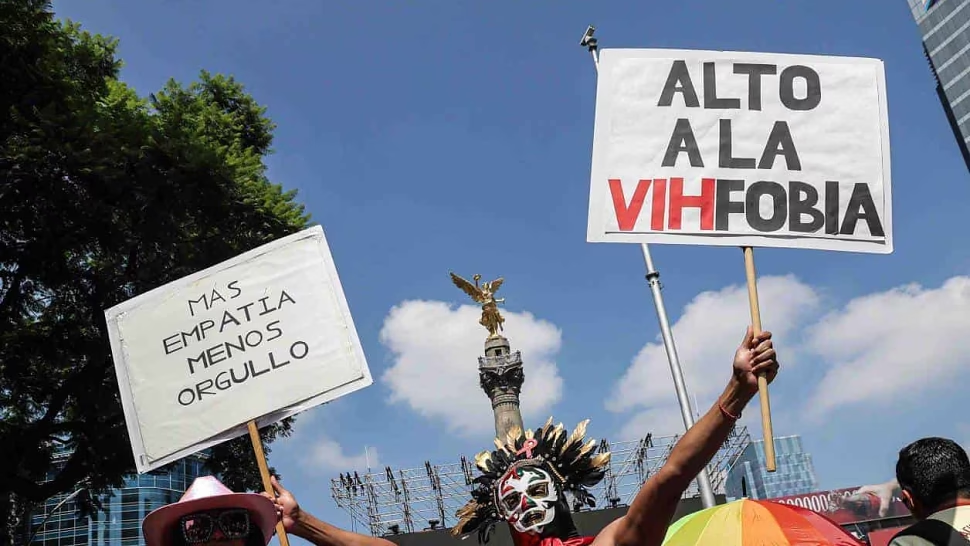
Neither the rain, the wind nor the World Cup Fan fest stopped the crowd. The Pride March, in its 48th edition, arrived at the capital’s Zócalo with a clear demand: guarantee health, housing and education for trans people.
Hundreds of thousands of people celebrated their identity, but also raised their voices for those who are no longer here. The protest reiterated the urgency of eradicating discrimination, stigma and hate crimes against the LGBTTTIQ+ community.
From 9 a.m. on Saturday, June 28, groups of relatives of missing people, organizations supporting trans women, LGBT people with disabilities, sex workers and HIV patients took to the streets. They demanded security and attention to these populations, and shouted between multicolored flags:
“It’s a march, it’s not a business. Companies with a homophobic history are marketing a historic movement.”
The speeches denounced the exclusion of sexual diversity from social programs. They demanded that the government and companies not take ownership of the fight. “This march does not belong to those who profit from our identities,” they stated.
People from various generations and states walked hand in hand. Mothers proudly accompanied their gay and lesbian children. In 2026, many LGBT youth still face family rejection.
Search groups demanded recognition of the social family—friends who search for their missing people. The Contingent Against LGBTTTIQ+ Disappearances pointed out in front of the Glorieta de Las y Los Desaparecidos:
“We demand that the State harmonize the General Law of Victims to fully recognize the social family.”
Trans and non-binary activists called for an end to the criminalization of the sit-in that they have held at the Ministry of the Interior for 10 days. They were the only group monitored by hundreds of police, despite their peaceful protest. They declared:
“They judge us for our sexual orientation, not for the human being we are. That has made our lives impossible.”
People with disabilities, patients with HIV, victims of hate and workplace discrimination joined in. The march traveled along emblematic avenues to the Zócalo, where there were open microphones and hours of joy. In the end, a slogan united everyone: stop hate crimes and transfemicides.