


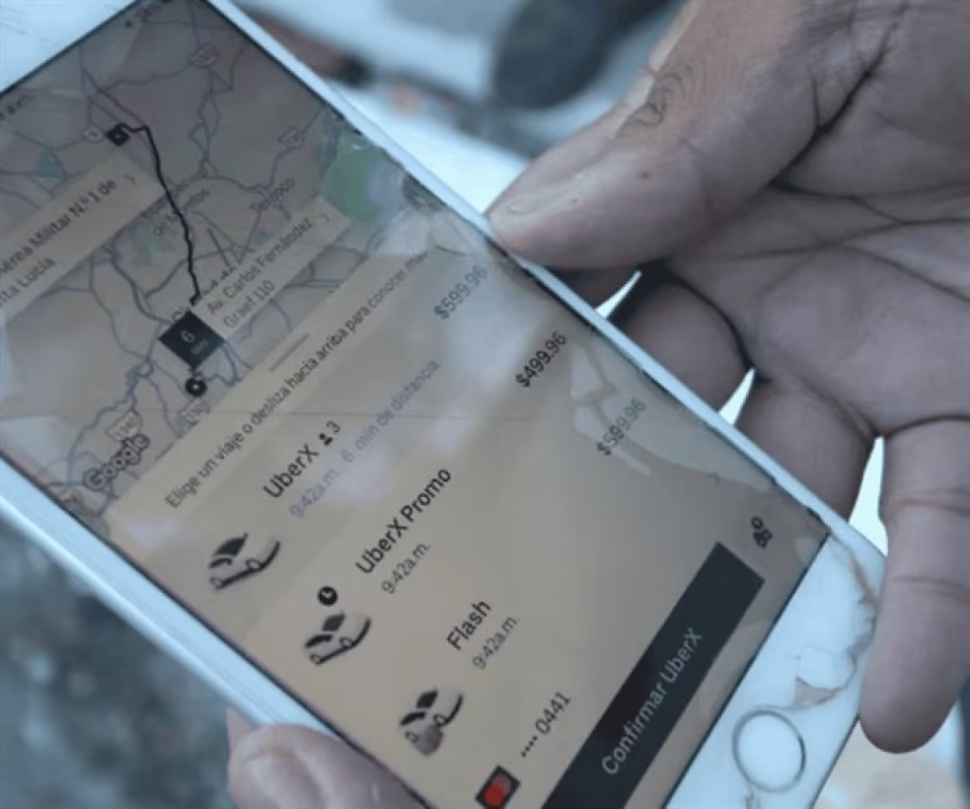
Lawless apps? A senator wants to change that
While you and I order a two-click ride, these platforms operate in a legal vacuum that smacks of institutional opportunism. Senator Claudia Anaya Mota (PRI) presented an initiative to finally create a federal regulatory framework.
Their argument is simple: in less than a decade, these apps transformed urban mobility but they did so without clear rules. The result is a disorder where each state does what it can (or what it wants), generating absurd inequalities.
“They currently operate without a specific federal regulatory framework,” warned the legislator.
What I would change (if approved)
Forget about rates that appear by magic. The proposal would force platforms to publish how they calculate the price: base rate, cost per kilometer, per minute and the mysterious criteria behind “dynamic” rates. Any changes should be notified to Profeco 30 days in advance.
In security, the requirements would be specific: up-to-date vehicle verification, current insurance, valid documentation and strict controls against impersonation. There is even talk of biometric or facial verification for drivers, at the beginning and during the service.
The irony here is delicious: we have a General Mobility Law that completely ignores this massive service. The initiative seeks to fill that gap with general guidelines, leaving each state to implement its own measures.
Will it work? Collective memory is full of good legislative intentions that were drowned in paperwork. But at least someone is pointing out the obvious: we can’t have a service used by millions operating in comfortable illegality.


