The countryside and the roads say ‘enough’
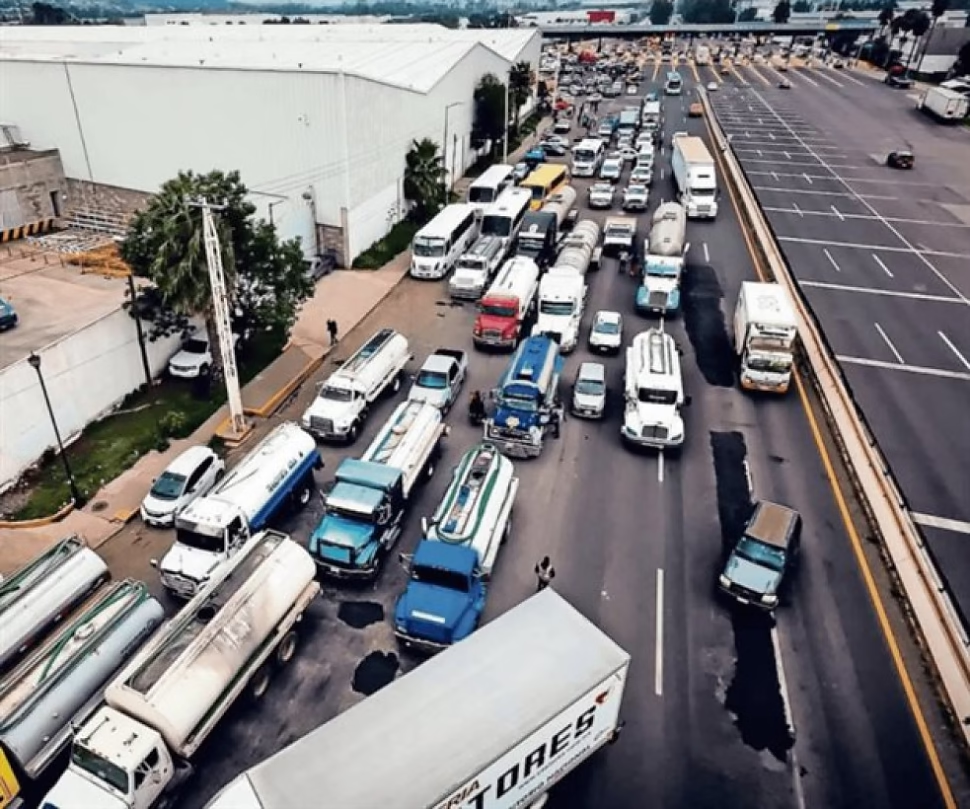
Transporters and agricultural producers announced an indefinite cessation of activities that began on April 6. The National Transport Association (ANTAC) and the National Front for the Rescue of the Mexican Countryside (FNRCM) lead the mobilization, which promises presence in strategic points throughout the country.
The reason? An explosive cocktail of institutional abandonment, violence overflowing on roads and operating costs that have become unsustainable. The federal government, according to the organizers, continues without giving concrete answers.
Blockades as a language of last resort
The protest will spread to at least 20 states. Operators, drivers and farmers plan rallies and blockades on different roads as a measure of extreme pressure. They do not ask for handouts, they demand basic conditions: security to work and fair prices to live.
“The mobilization responds to a crisis that directly affects cargo transportation and the Mexican countryside,” the organizations noted.
On the roads, the panorama is dantesque: robberies, extortion at checkpoints, homicides and even disappearances of operators. Add to that the price of fuel, suffocating tolls and an unforgiving tax burden.
The field is not better. They denounce plummeting production due to imports, sky-high fertilizers and seeds, very expensive diesel and a drought that no one addresses. Guaranteed prices for corn or wheat are a ghost of the past.
Their demands are a catalog of the obvious: real security, eliminate corruption at checkpoints, lower taxes on diesel, stop imports that kill local producers and direct support without intermediaries who take the cut.
They assure that the mobilization will be peaceful. Their final objective, they say, is twofold: decent working conditions and guaranteeing food supply in the country. A strike that is not only for them, but for what reaches your table.