Context and foundations of the initiative
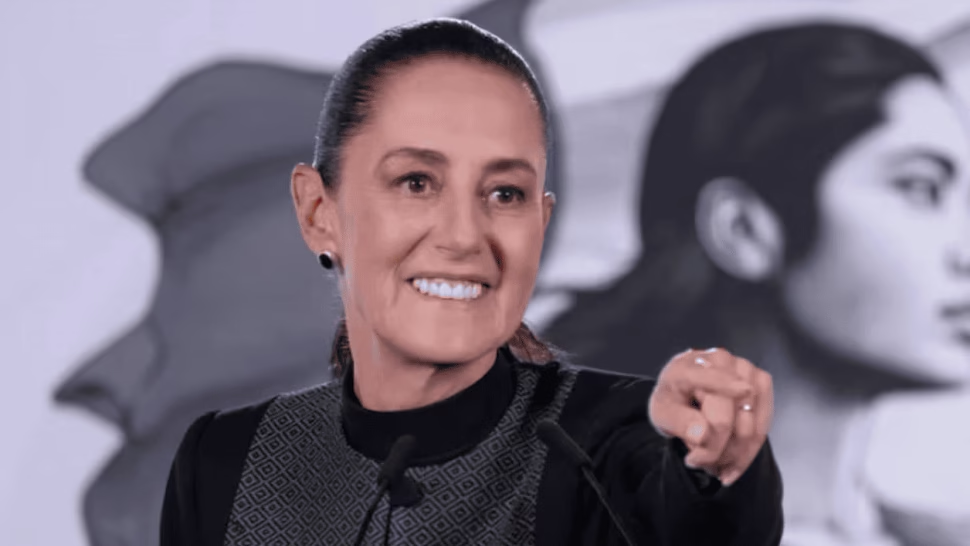
In the framework of the preparation for the FIFA World Cup 2026, deputy Jesús Sesma Suárez, representative of the Green Ecologist Party of Mexico (PVEM), presented a legislative proposal aimed at modifying the General Health Law and other local regulations. The central objective is to protect minors by eliminating advertising of alcoholic beverages, soft drinks and ultra-processed foods in stadiums and public shows.
Scope and proposed modifications
The initiative proposes specific reforms in three key areas:
- Geographical restriction: Prohibition of advertisements within a radius of 300 meters around sports or cultural venues.
- Focus on harmful products: Includes drinks with high alcoholic or sugary content, as well as food with excess fat, sodium or additives.
- Regulatory expansion: Modifications to the Public Entertainment Law and the Outdoor Advertising Law of Mexico City.
According to data cited by the legislator, Mexico occupies first place in Latin America in per capita consumption of soft drinks (173 liters per year per person), while 73% of alcohol consumption corresponds to adolescents between 12 and 24 years old. These figures, supported by research from UNAM, support the urgency of regulating advertising exposure in spaces with high youth appeal.
Social impact and technical justification
The proposal is based on behavioral marketing studies that demonstrate how advertising shapes consumer habits, especially in vulnerable populations. An analysis by the National Institute of Public Health reveals that repeated exposure to advertisements for sugary drinks increases their acquisition by minors by 32%. At the same time, the Pan American Health Organization warns that the normalization of alcohol at sporting events is associated with an earlier onset of its consumption.
Deputy Sesma emphasized: “It is not just about banning advertisements, but about breaking the narrative that links sport with harmful products.” This perspective coincides with recommendations from the WHO on environments free of harmful advertising, already implemented in 15 countries through similar policies.
Projections and challenges
If approved, the measure would directly affect sponsorship models in professional leagues and massive events, where drinks and snacks represent 40% of advertising investment according to the Mexican Commercial Copyright Association. Experts in constitutional law anticipate debates about possible conflicts with commercial freedoms, although international jurisprudence supports similar restrictions due to public health criteria.
As a reference, Chile reduced the consumption of sugary drinks by minors by 24% after implementing a law in 2016 that prohibited their advertising in children’s spaces. This precedent reinforces the potential of the Mexican initiative.
Explore more content on public policies and health on our social networks. Share this information to raise awareness about the impact of advertising on infant nutrition. #PublicHealth #ResponsibleLegislation