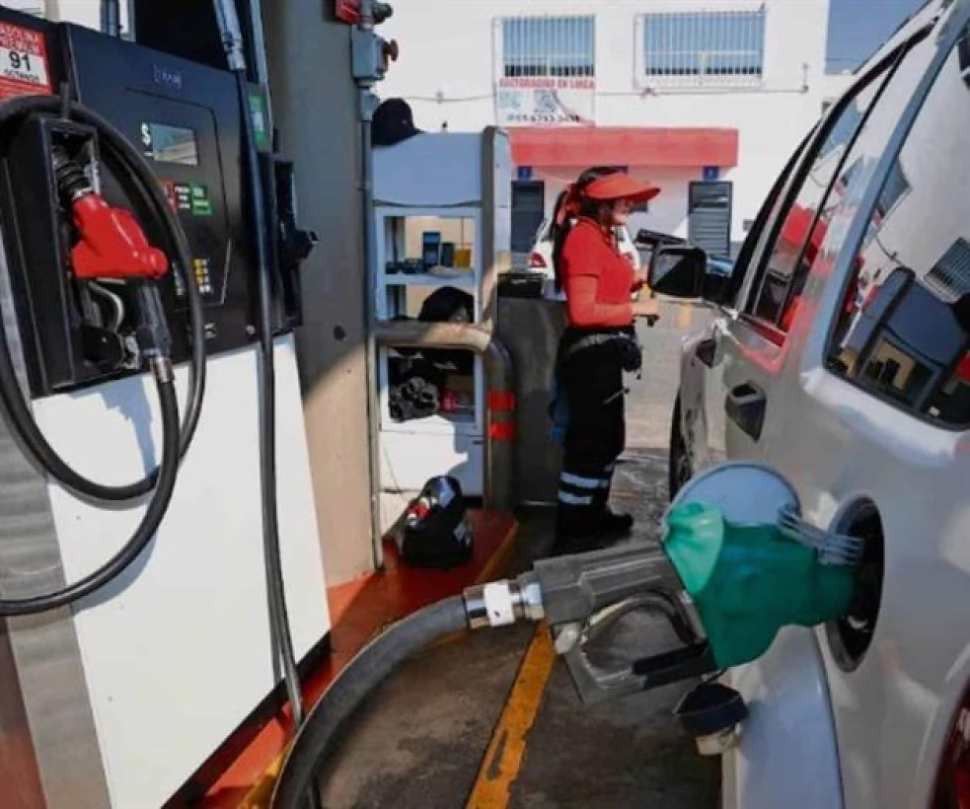
The hidden cost of cheap gasoline
The scene is familiar: the government artificially keeps the price of gasoline low to relieve citizens’ pockets. But behind the scenes, the accounts don’t add up. The Center for Economic Studies of the Private Sector (CEESP) has just issued a warning that resonates like a bell in the National Palace.
Sustaining this fuel IEPS subsidy is putting public finances on the ropes. It is a political move with an enormous fiscal cost, and the bill could arrive soon.
“It will be difficult for the government to maintain the subsidy… due to the impact that this measure would have on public finances,” warns the CEESP.
Translation: money runs out. And when it’s over, adjustments come. The organization proposes two scenarios, both bitter: raise prices at the pump or further cut public investment that is already on the floor.
An unstable global board
The perfect storm is brewing far from our borders. The volatility of oil due to the conflicts between the United States, Israel and Iran makes it impossible to predict the energy market. Mexico is sailing blindly in turbulent international waters.
The CEESP says it clearly: this game of subsidies requires a very delicate balance. It helps the consumer today, but strangles revenue tomorrow. It’s like paying for the party with our children’s credit card.
My teacher wife always reminds me: “Cheap is expensive”. In energy policy, that phrase hurts more than ever. The performance continues, but the audience should know that the stage has cracks.