The global sports board, in forced pause mode
The expanding conflict in the Middle East is not just a political headline. It is a reality that is freezing the calendars of Messi, Cristiano Ronaldo and Lewis Hamilton. The weekend attacks have set off all the alarms in organizations.
Cancellations are already a fact. Qatar suspended all its football matches without a return date. And time is ticking for crucial decisions.
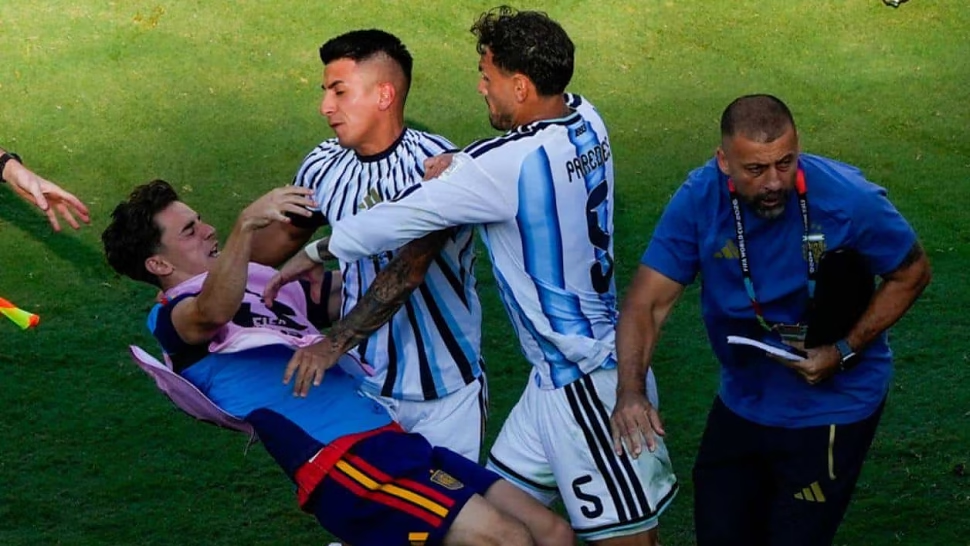
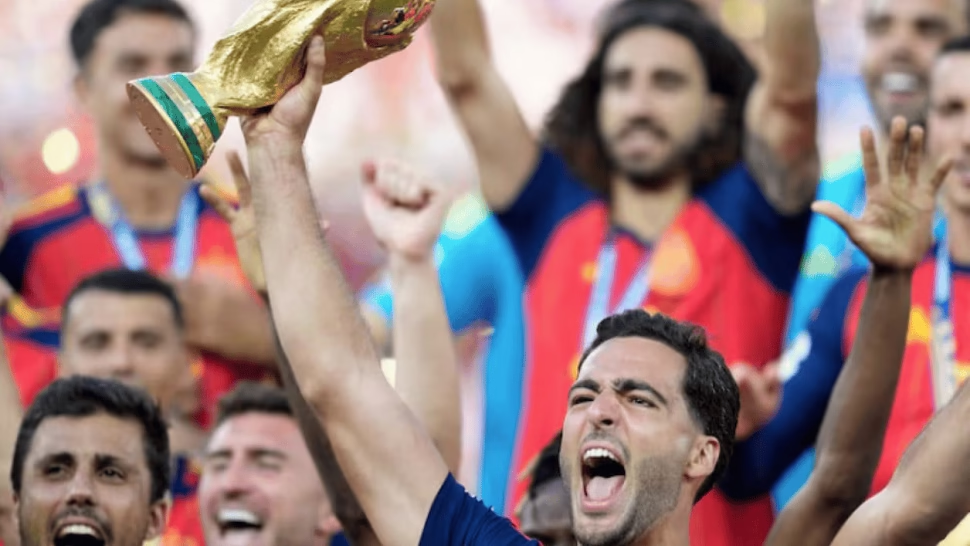
“We are carefully monitoring and evaluating the development of the situation,” CONMEBOL informed The Associated Press about the March 27 Finalissima between Spain and Argentina.
That match was another golden opportunity for Messi. Now it is a mystery. The same goes for Argentina’s friendly against Qatar scheduled for the end of the month.
F1 and football, under maximum pressure
The mechanics of Formula 1 collide with the unpredictability of war. They have races in Bahrain and Saudi Arabia next month, but the air transport of personnel and material begins weeks in advance.
The FIA, the governing body, has already launched its priority: “safety and well-being”. Meanwhile, Al Nassr, Cristiano Ronaldo’s Saudi team, is already suffering cancellations in the Asian Champions League.
Tennis and golf breathed a sigh of relief for now—their tours of the region just ended. But others are not so lucky.
“We cannot be expected to look towards the World Cup with hope,” declared Mehdi Taj, president of the Iranian football federation.
Iran must send its team to the United States for the World Cup in just over three months. His participation is another big question on the table.
The real challenge: moving safely
Even if events aren’t canceled, how do athletes get there? Daniil Medvedev and other tennis players are stranded in Dubai after a tournament, waiting for a flight that will allow them to reach Indian Wells.
The Winter Paralympics that begin this Friday in Italy also face logistical obstacles for some teams. The International Paralympic Committee confirmed that they are helping with the transfers.
Cricketers, basketball players and even tourists share the same problem. And F1 staff are looking for alternative routes to avoid the region towards the Australian Grand Prix.
The economic and logistical influence of the Middle East on sport is more evident today than ever. Countries like Saudi Arabia and Qatar are not just venues; They are financial pillars of the global ecosystem. When that region falters, the entire world of sport feels the tremor.