The epic election day that tested the memory of voters

A historic day where the ballot box became an exam and the vote became an act of collective memory.

The fate of justice was decided between accordions and smiles

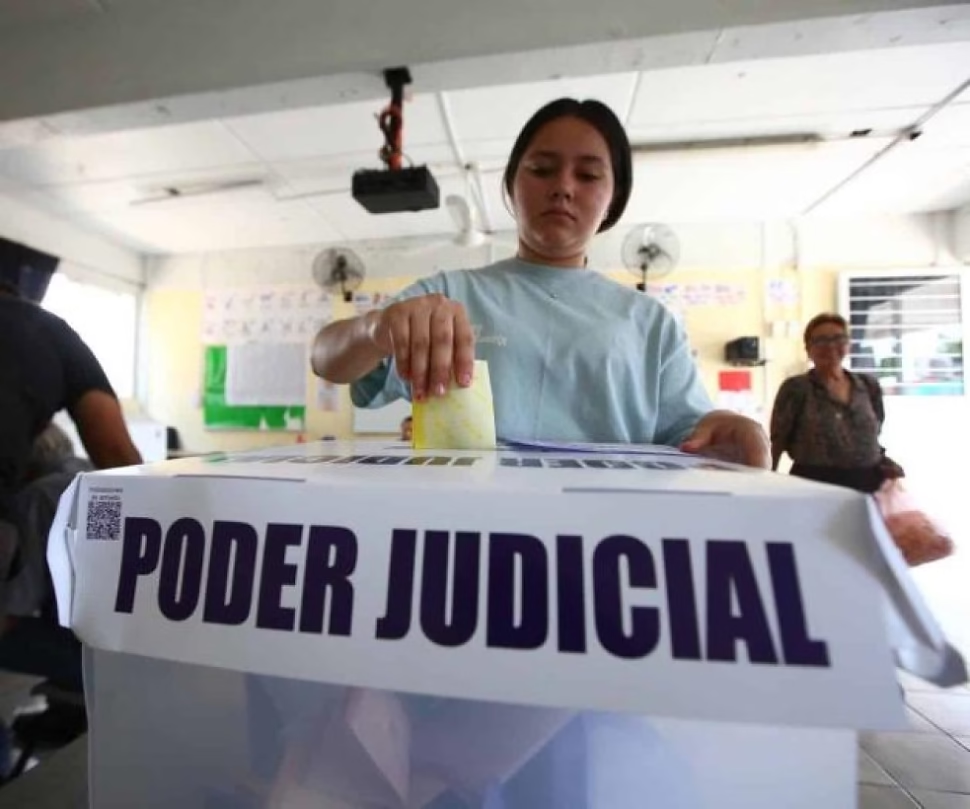
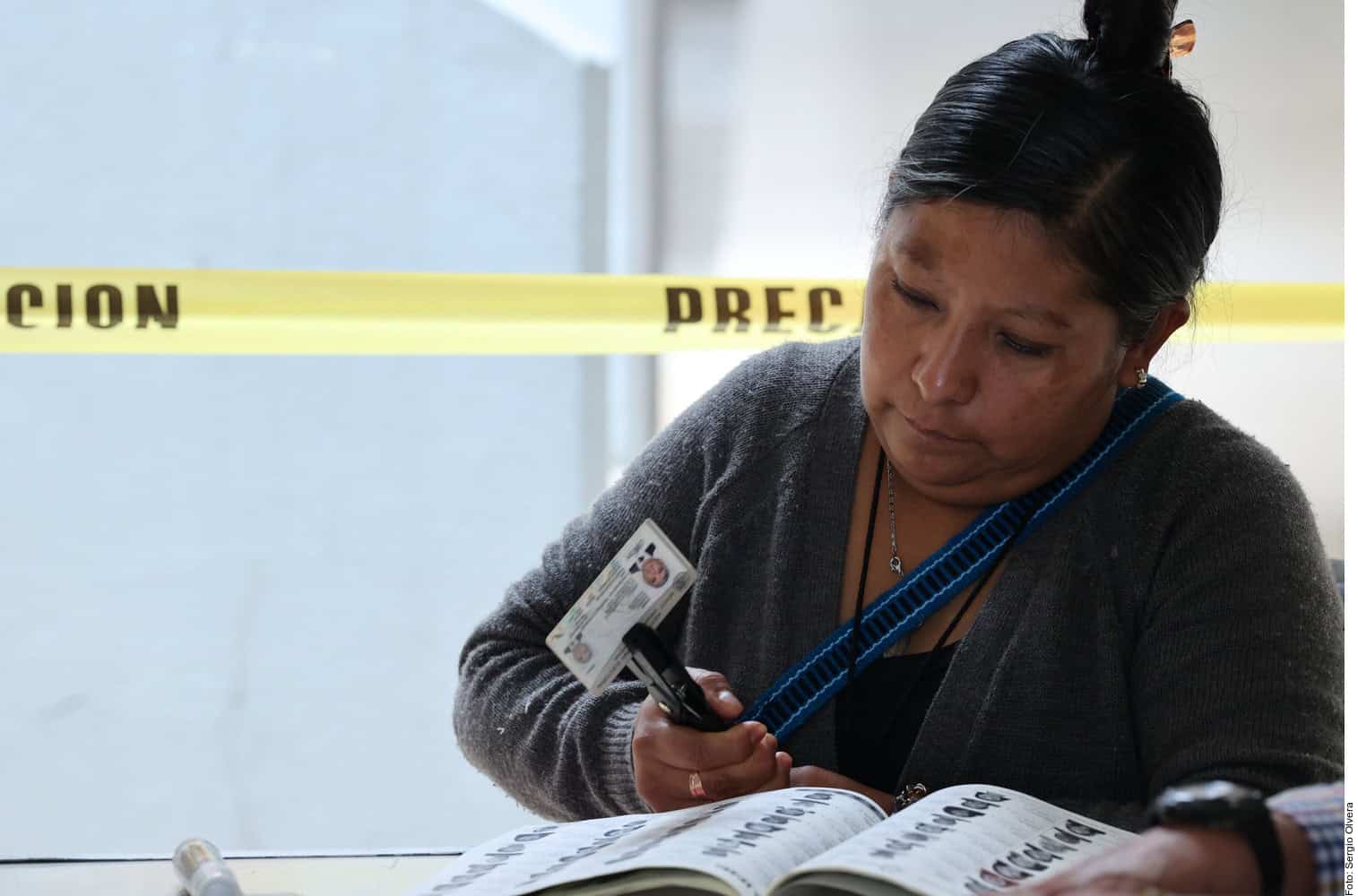
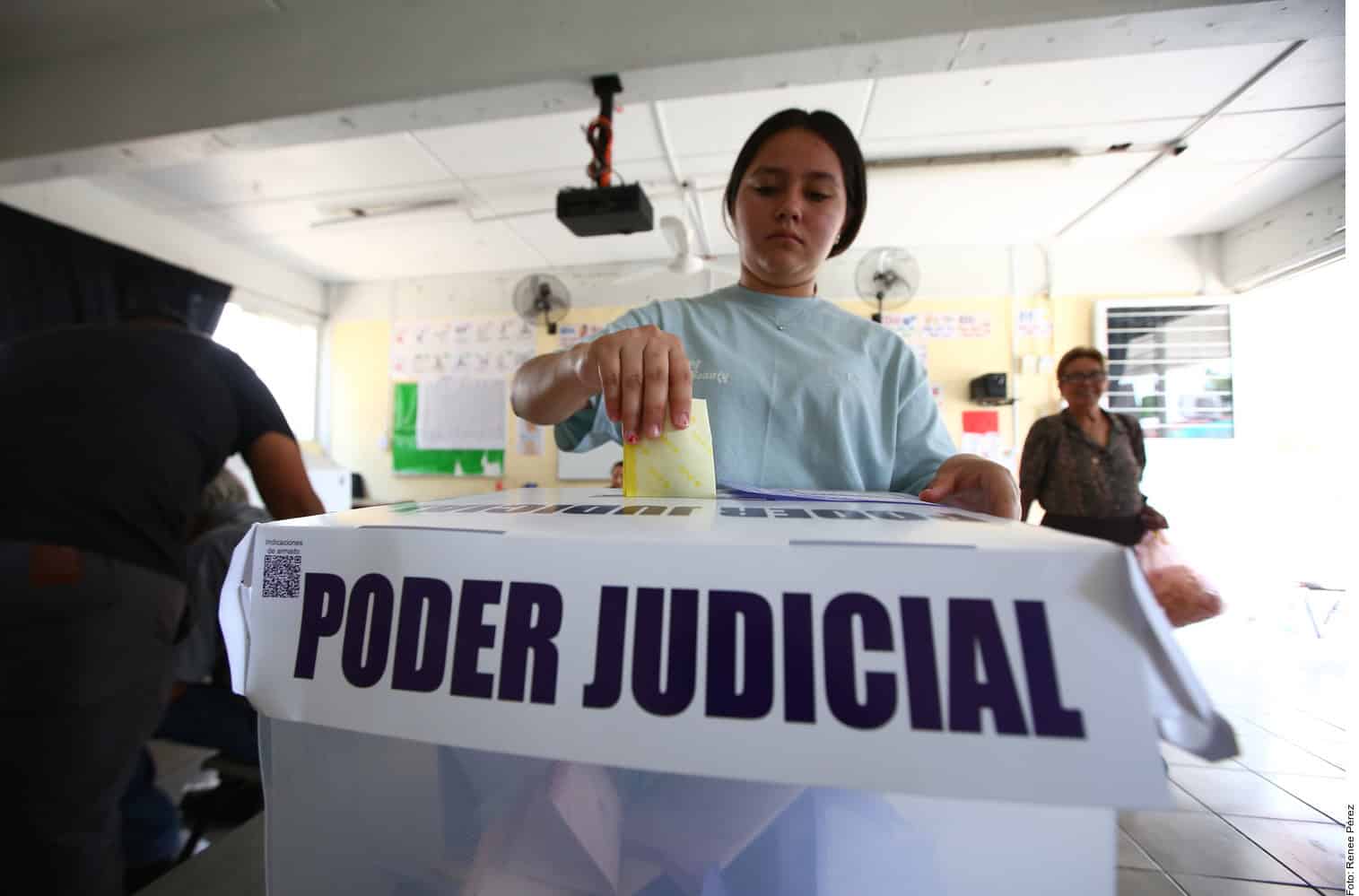
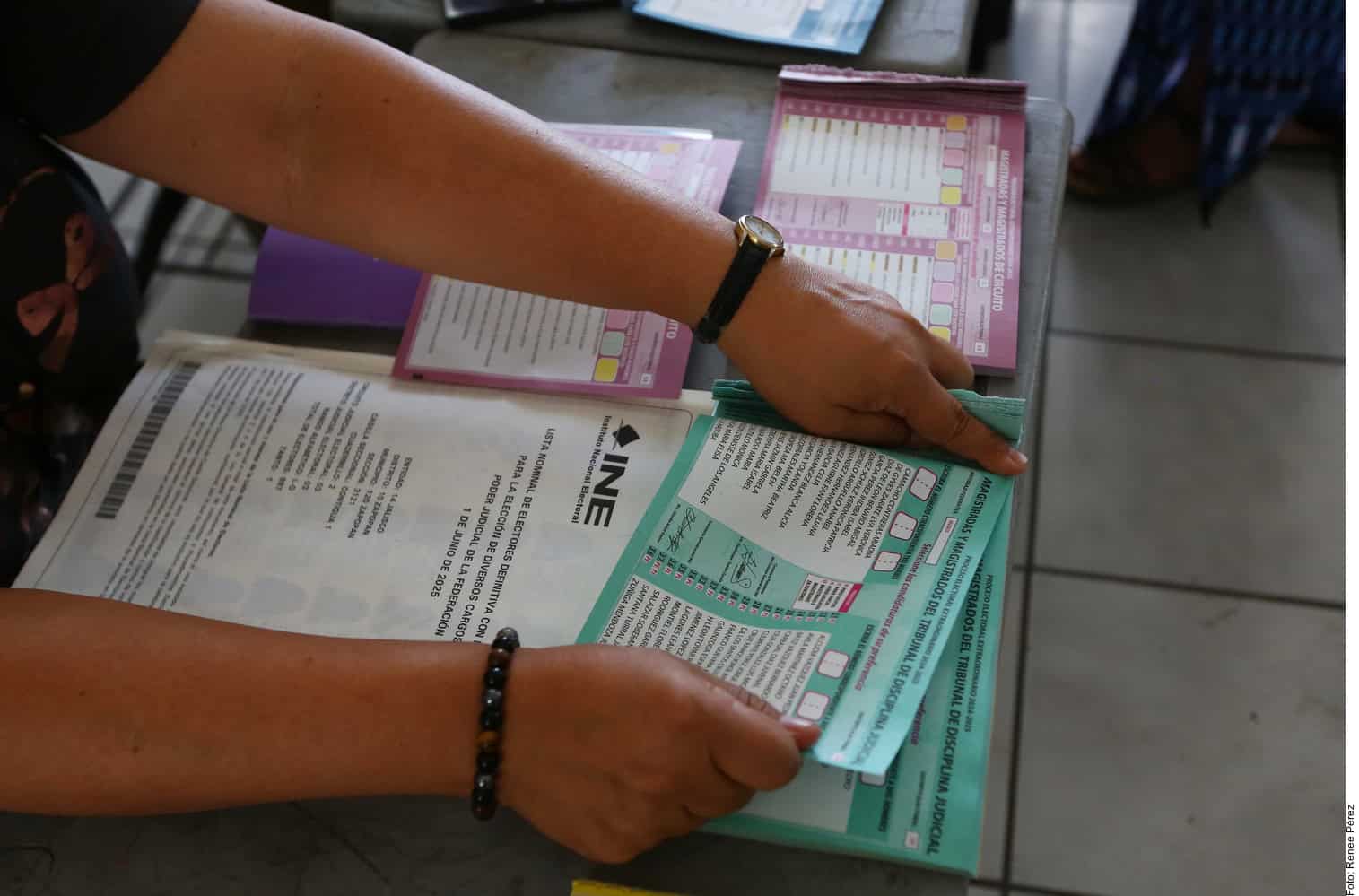
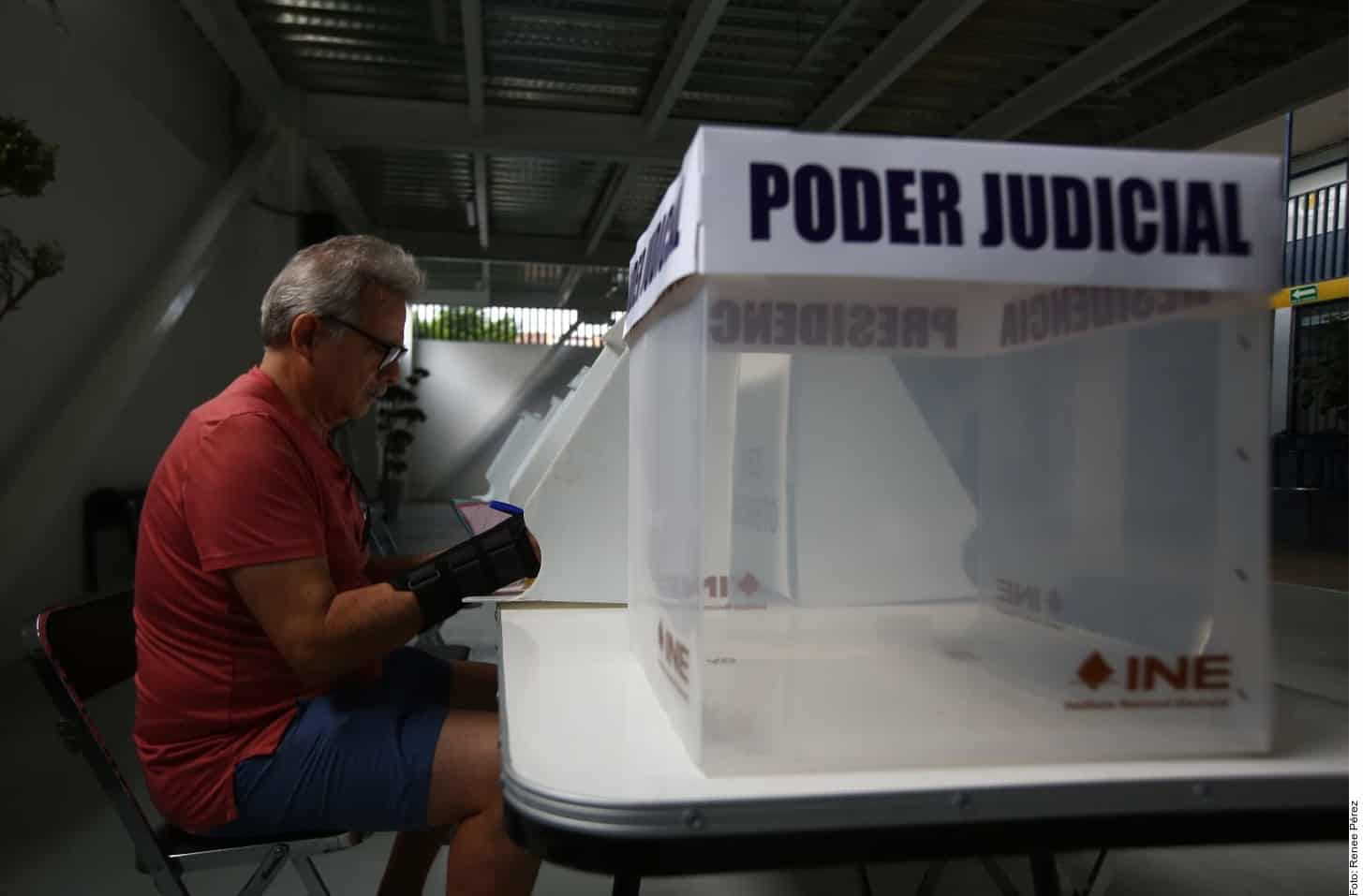
In the streets of Mexico City, under a sky that seemed to hold its breath, Doña Lety became the protagonist of a moment that would remain recorded in history. With trembling but determined hands, he deposited ten ballots in the ballot box of the Judiciary, as if each one were a fragment of the nation’s future. “Hey, this was a test,” he joked, although his voice hid the tension of someone who knows that their vote could change the course of justice.

A democratic ritual full of surprises

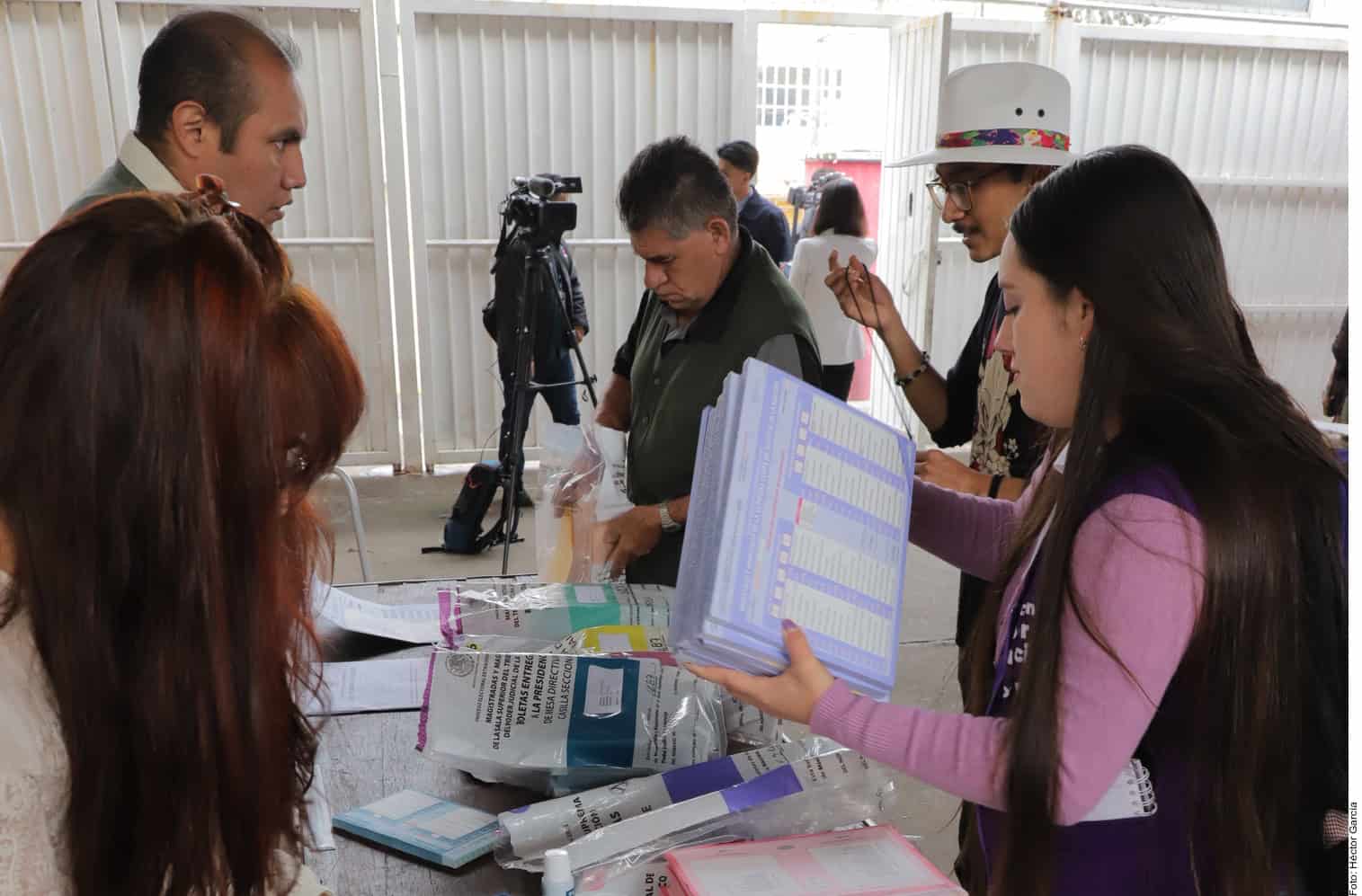
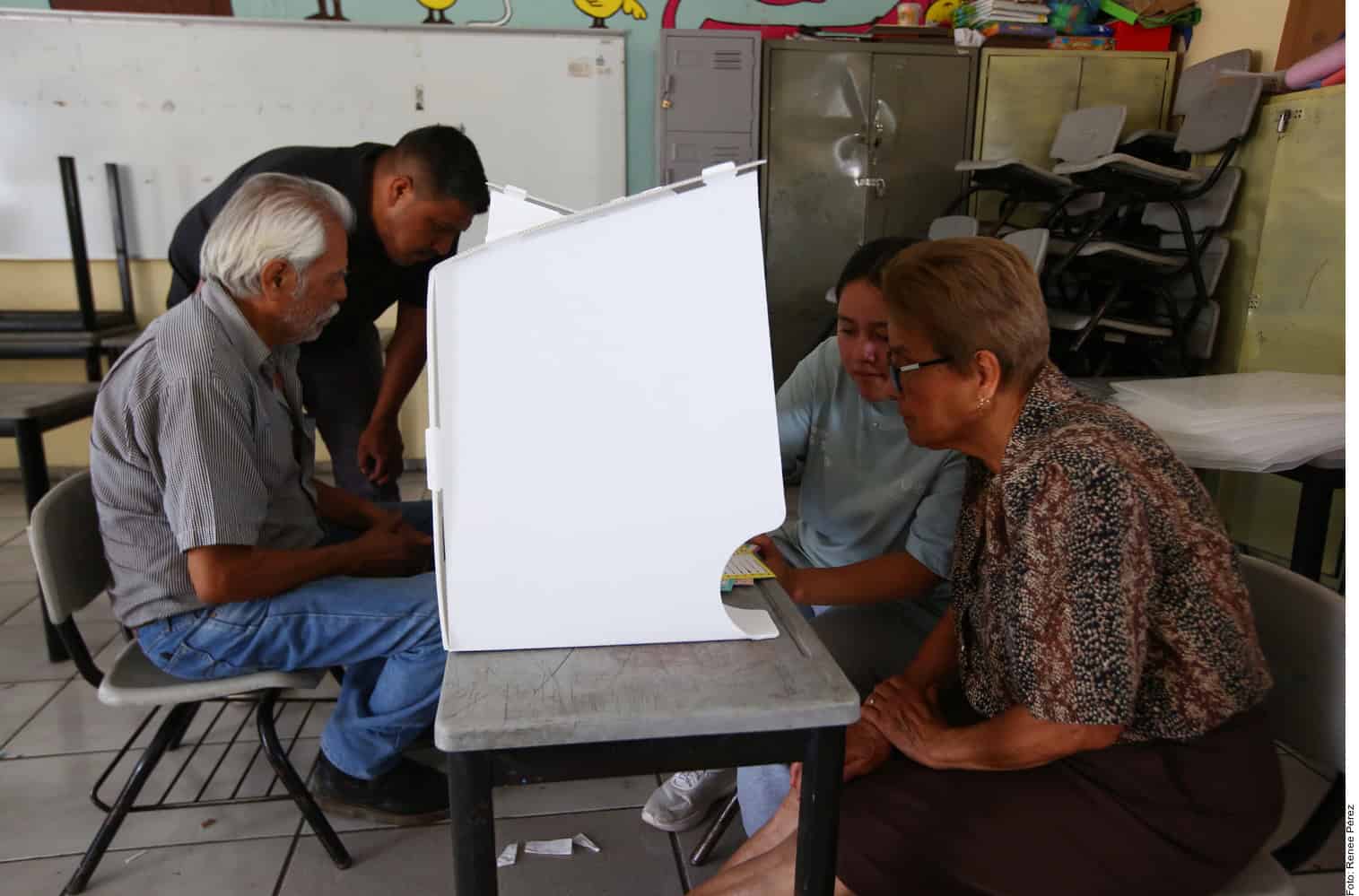
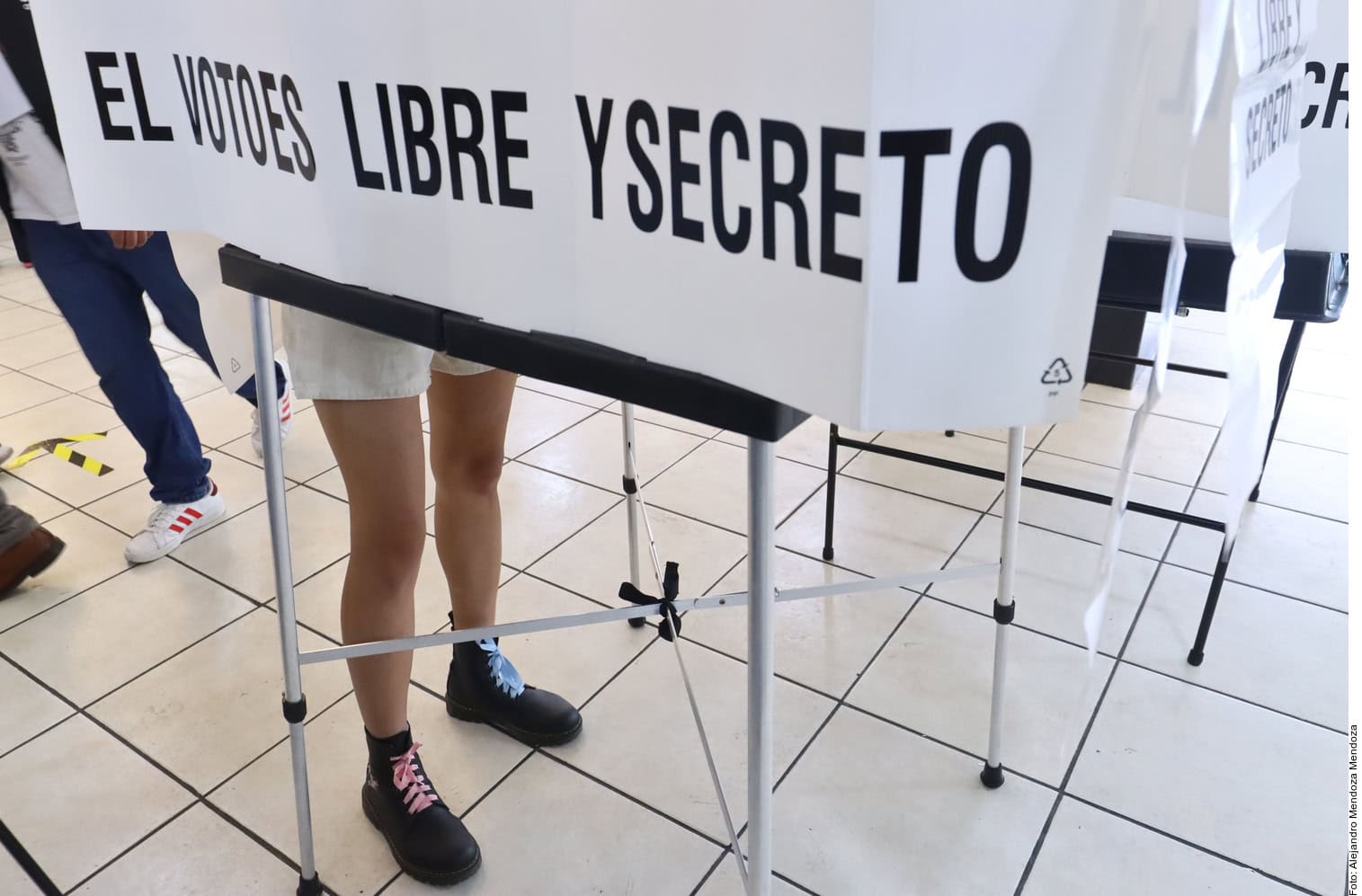
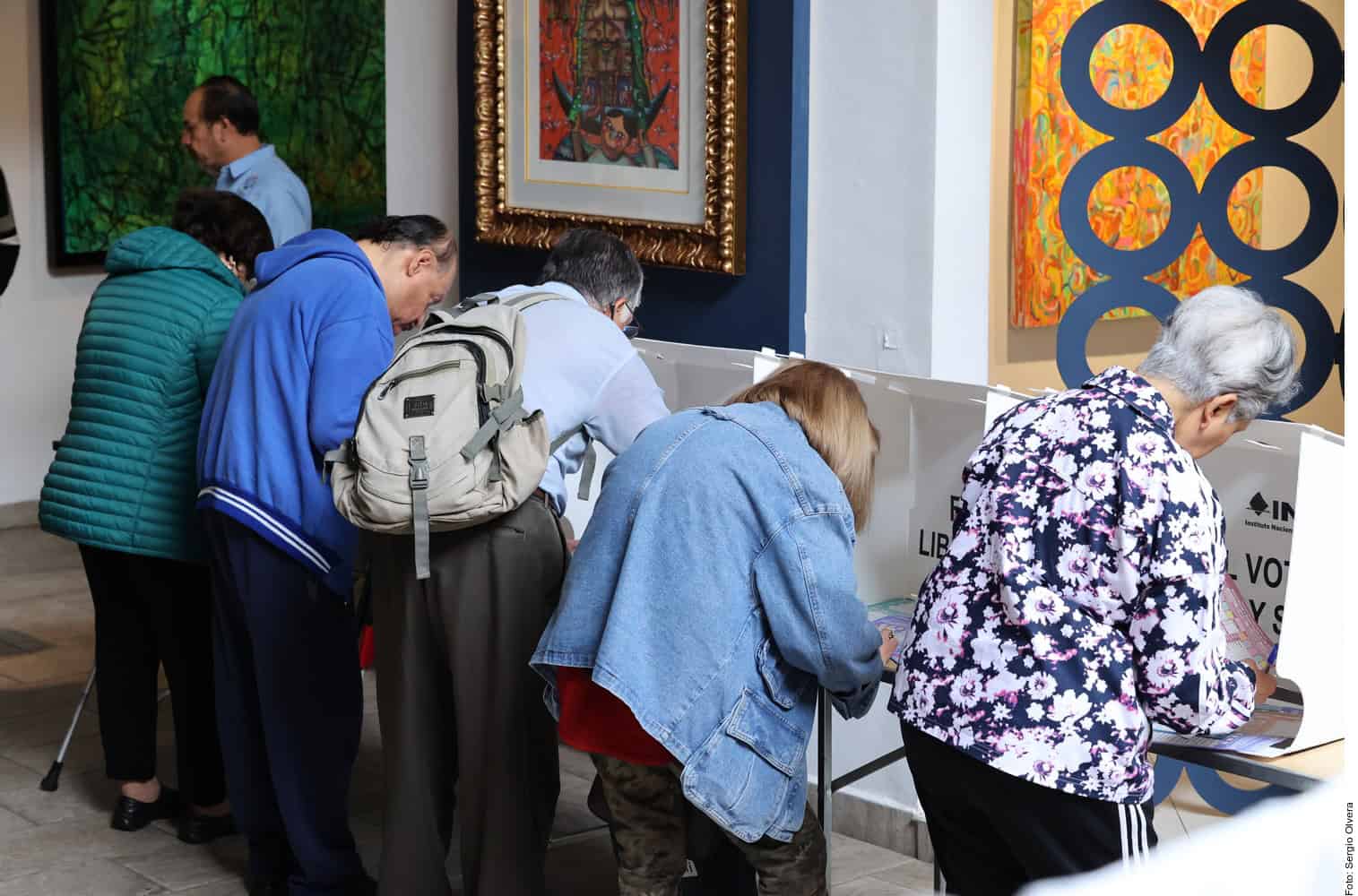
The screens became concentration shelters, where citizens spent up to 15 minutes deciding the fate of magistrates and judges. In Veracruz, the electoral authorities, anticipating the drama, placed chairs as if they were witnessing a play where the audience was also an actor. “Take it calmly, vote without rushing,” advised a representative of OPLE, while the clock ticked the pace of a day that challenged everyone’s memory and patience.

RelatedThe INE demands to stop the electoral accordions and the hauling of voters

Between nervous laughter, a neighbor confessed: “Yes, it was difficult… some of them I forgot, but that’s how it went.”. His voice, full of honesty, resonated like an echo of the imperfections of a system under construction. Meanwhile, Senator Manuel Huerta defended the process with words that sounded like a prophecy: “It is an instrument that will gradually be perfected; what we are ultimately seeking is justice.”.

The shadow of mistrust

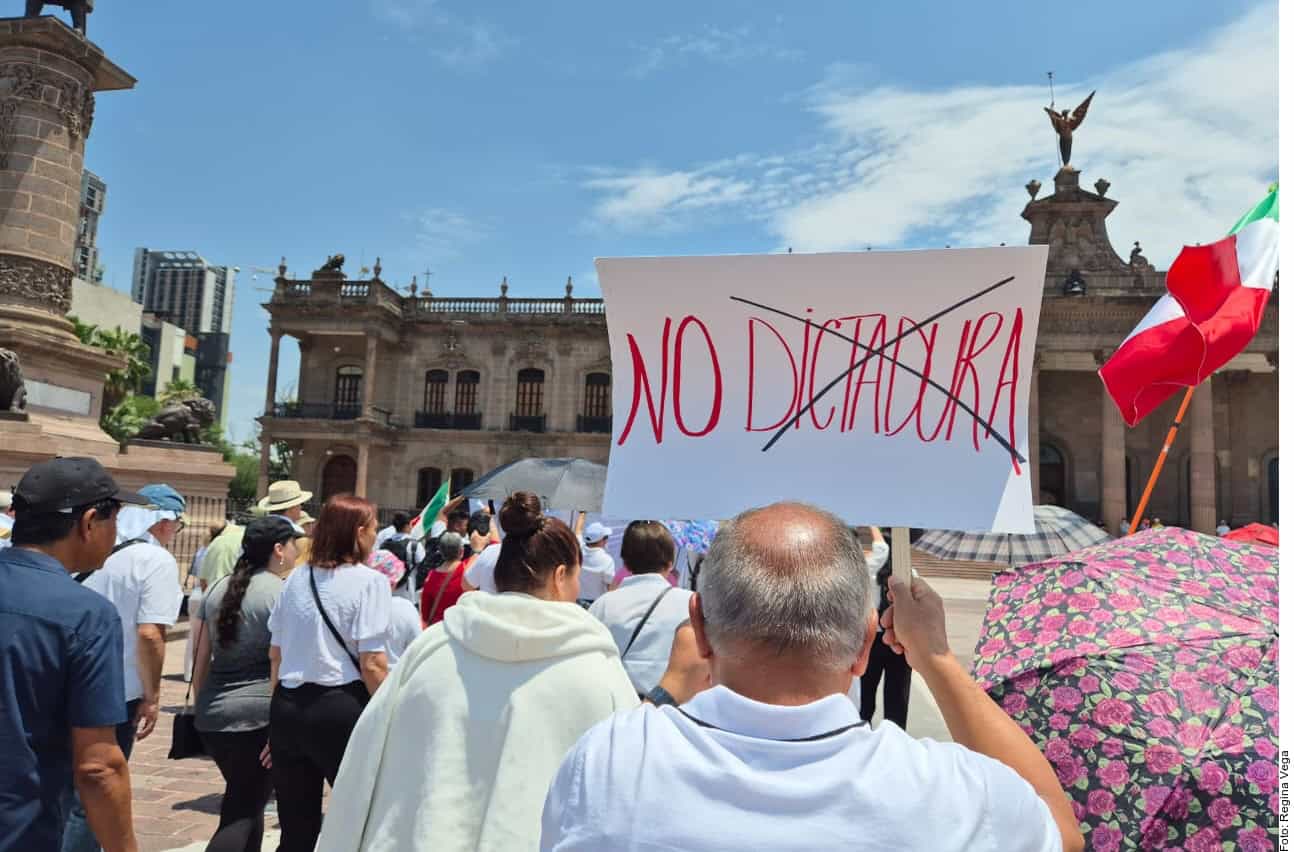
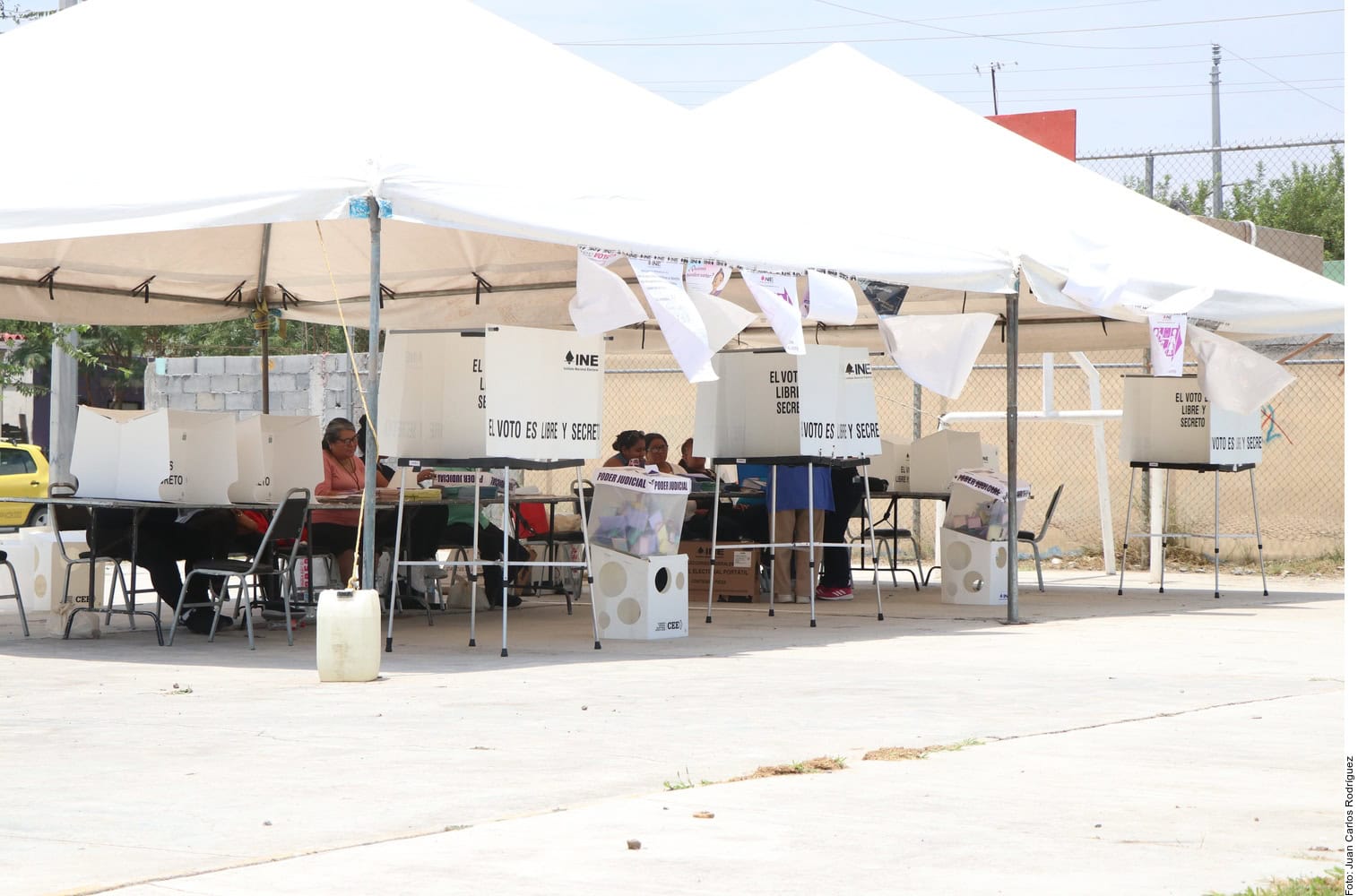
But not everything was solemnity. The National Civic Front raised its voice as a herald of warning, denouncing low participation and dark operations. Emilio Álvarez Icaza, in a tone of Greek tragedy, warned: “We are concerned that given the low number of people participating, these operations of desperation by the regime will occur.” The Anti-Mapache Brigade revealed scandalous incidents: polling stations that opened late, illegal accordions and even soldiers in the INE, an act that Rodrigo Morales described as “serious signal”.

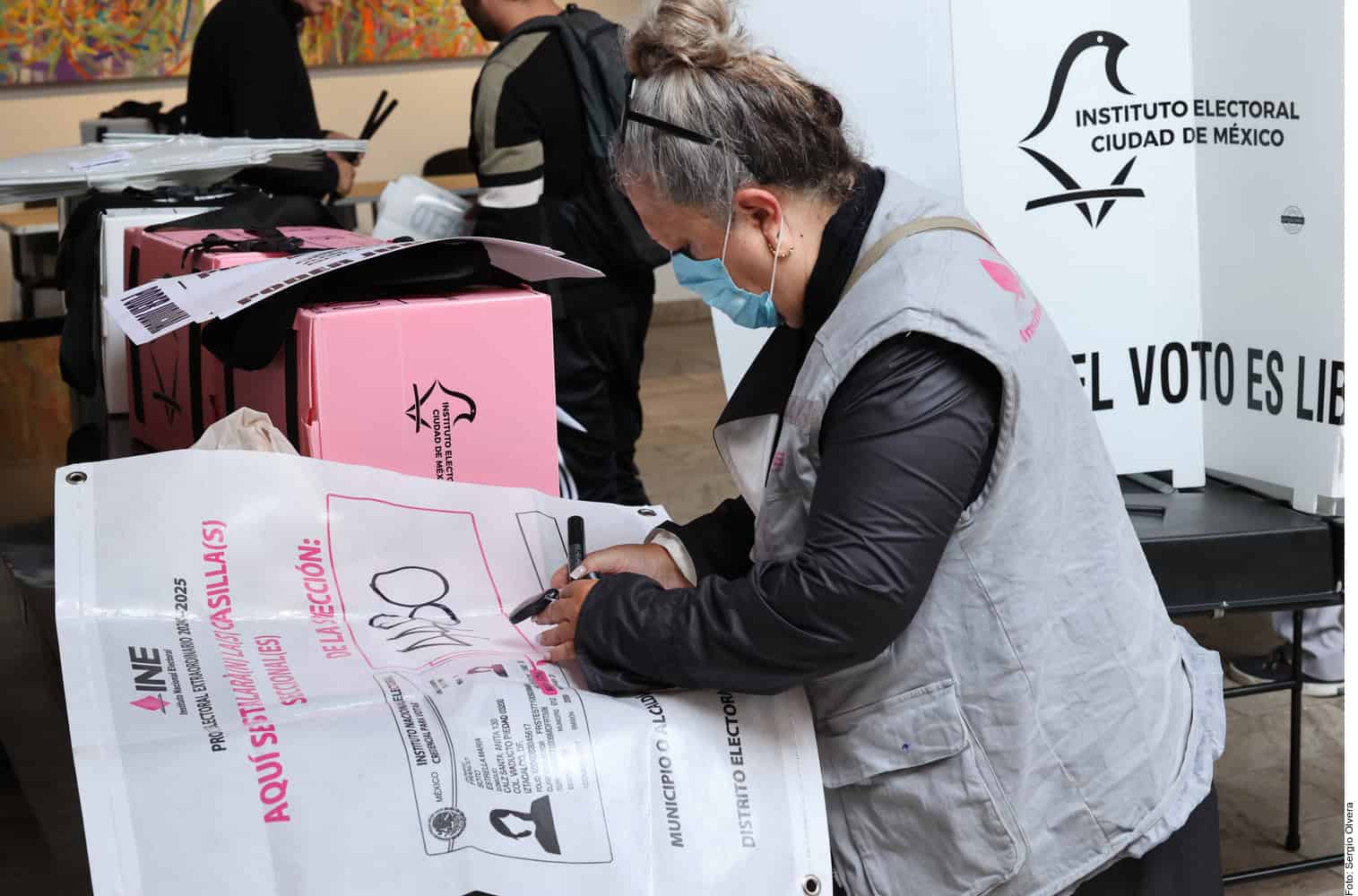
In the midst of the chaos, Mariana González presented the most dramatic case: in Tepic, Nayarit, a polling station collapsed when all the officials resigned en masse, as if they had been characters in a drama who refused to follow the script. Meanwhile, in Puebla and Yucatán, the specter of carrying and accordions stained the purity of the vote.

In the end, as in every great story, questions remained unanswered: Would this judicial election be the first step towards true justice or just another chapter in the eternal fight against the demons of corruption? The OPLE, in permanent session, promised results for Wednesday, but the people had already written their own history, one where mole and sweets were mixed with ballots and hopes.

Did you miss this episode of Mexican democracy? Share the story and discover more about how each vote can be an act of everyday heroism. #JusticeAtThePolls


Stampede in Mexico celebration: two dead

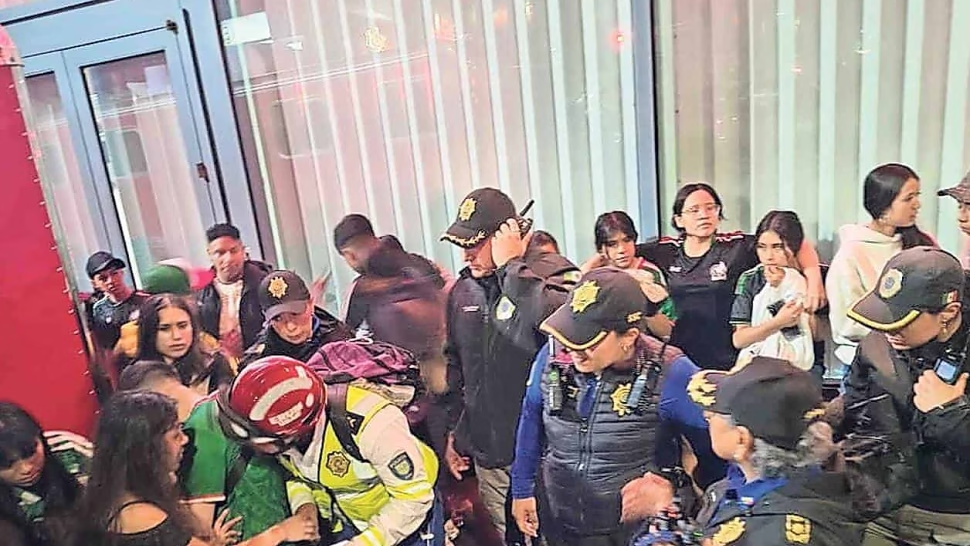
Two people died from asphyxiation during the stampede at the Angel of Independence after Mexico's victory against Ecuador.

Chaos broke out when hundreds of fans simultaneously advanced towards the toilet area, while others tried to leave the Angel of Independence. The balance: two dead and multiple injured.

Jesús Góngora, witness and portable toilet worker, recounted what happened:

“There were approximately 200 people, all on top of each other, all on top of each other! And the rest of the crowd kept stepping on them.”

The stampede lasted about 40 minutes. Góngora heard screams of children and women asking for help. A young woman and a man were taken to a hospital, where their later death was reported.

“Since Mexico won, the people went crazy… they let themselves go with everything towards the bathrooms, and as a result they crushed the people, there were too many injured.”

According to the witness, the first paramedics arrived 45 minutes after the incident. Around 10:30 at night, hundreds of people wanted to leave the Angel while others tried to enter, creating riots on Río Tíber Street. At the height of the Volga River, pushes were recorded. Merchants and fans formed a human chain to contain the crowd.

The incident highlights the lack of control measures at mass gatherings. The authorities have not yet issued a detailed official report.

Continue reading

Claudia Sheinbaum: T-MEC does not end, it is only reviewed

The president ruled out the treaty ending and explained the annual review process.

Sheinbaum clears up doubts about the T-MEC

President Claudia Sheinbaum affirmed that the trade agreement with the United States and Canada remains in force. The planned review does not imply its termination, he said.

“Mexico has done everything on its part, always with the obvious limits to guarantee the development of our country, jobs and companies; always without giving up things that we cannot give up, from sovereignty to other measures.”

If the United States does not express in writing the intention to extend the USMCA for an additional 16 years, the agreement continues for the next ten. An annual review process then begins.

Sheinbaum recalled that Washington has already imposed tariffs on vehicles, steel and aluminum beyond the treaty. He considered it feasible to seek better conditions in the review.

He stressed that the three countries can compete better if they work together. The treaty benefits the American population because it reduces prices, and Mexico because it generates jobs. It also improves access to goods in the three nations.

“Tomorrow the Secretary of the Economy is coming to talk about what was discussed today. It is not that the treaty is going to end, far from it.”

This Thursday’s virtual meeting includes Secretary Marcelo Ebrard, US Trade Representative Jamieson Greer, and Canadian Trade Minister Dominic LeBlanc.

Process details

The T-MEC was signed six years ago. The law stipulates its conclusion after 16 years of validity, that is, in 2036. It also establishes a joint review on the sixth anniversary, where the parties confirm in writing whether they wish to extend another 16 years. If not, annual reviews are carried out.

“Today is not the deadline. If the letter is not sent by the US, the treaty is maintained for 10 years, only with an annual review. In five months or three years the parties can decide to extend it.”

Continue reading

High-impact crimes have fallen 53% since 2018, the Government reports

Official report attributes the reduction to the participation of the Armed Forces in public security.

Key figures

The Government of Mexico reported a 53% drop in the daily average of high-impact crimes since 2018. The figure went from 969.4 to 455.8 cases per day, according to the Seventh Semiannual Report of the Permanent Armed Forces in Tasks to Support Public Security.

The document, delivered to the Permanent Commission, highlights the intervention of the Army, the Air Force and the Navy as a central factor. The data also shows a 40% reduction in victims of intentional homicide between September 2024 and April 2026: from almost 83 to 49 per day.

During the first four months of 2026, compared to the same period in 2025, feminicide, extortion, kidnapping for ransom, intentional injuries with a firearm, robberies with violence and robbery of a carrier decreased. Vehicle theft fell 56.5% compared to 2018.

Military deployment

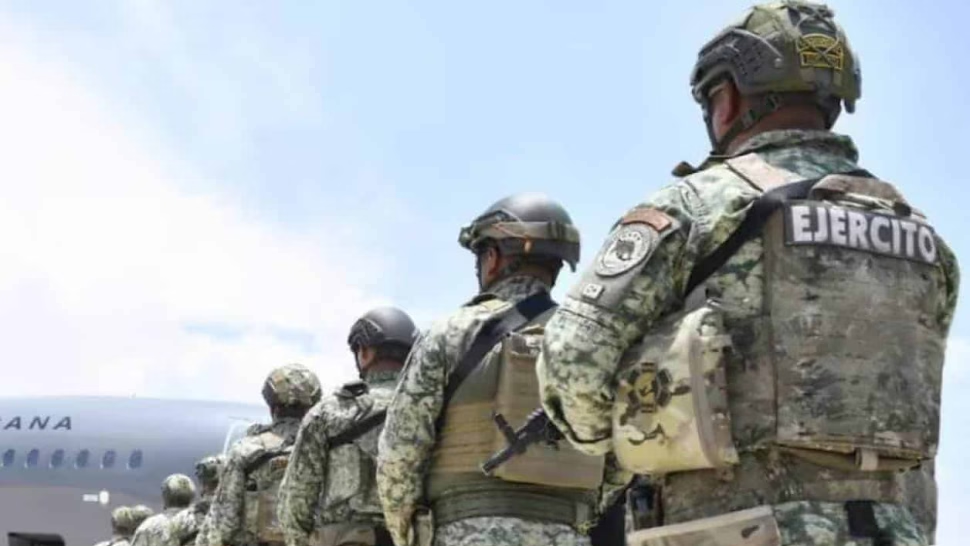
The Secretariat of National Defense deployed 45,247 troops between November 2025 and May 2026 in entities with a high incidence of homicides and violence. More than two thousand soldiers were sent to Jalisco after the arrest and death of Nemesio Oseguera Cervantes, alias “El Mencho.” Operations were also reinforced on the northern border and in Michoacán.

The Mexican Navy expanded its presence with 3,742 elements in 18 states for surveillance and crime prevention. In addition, it allocated more than 2,000 troops to protect 218 strategic facilities in the energy and financial sectors.

In 2026, National Defense had a budget of 170,753 million pesos; 28,867 million were allocated to public security. The Secretary of the Navy received more than 3,477 million pesos for support tasks.

The federal government assured that military action is maintained under constitutional principles: extraordinary, regulated, supervised, subordinate and complementary to civil authorities, with respect for human rights. The report concludes that the participation of the Armed Forces will continue as the central axis of the national security strategy.

Continue reading