The Supreme Court and its last act before the changing of the guard
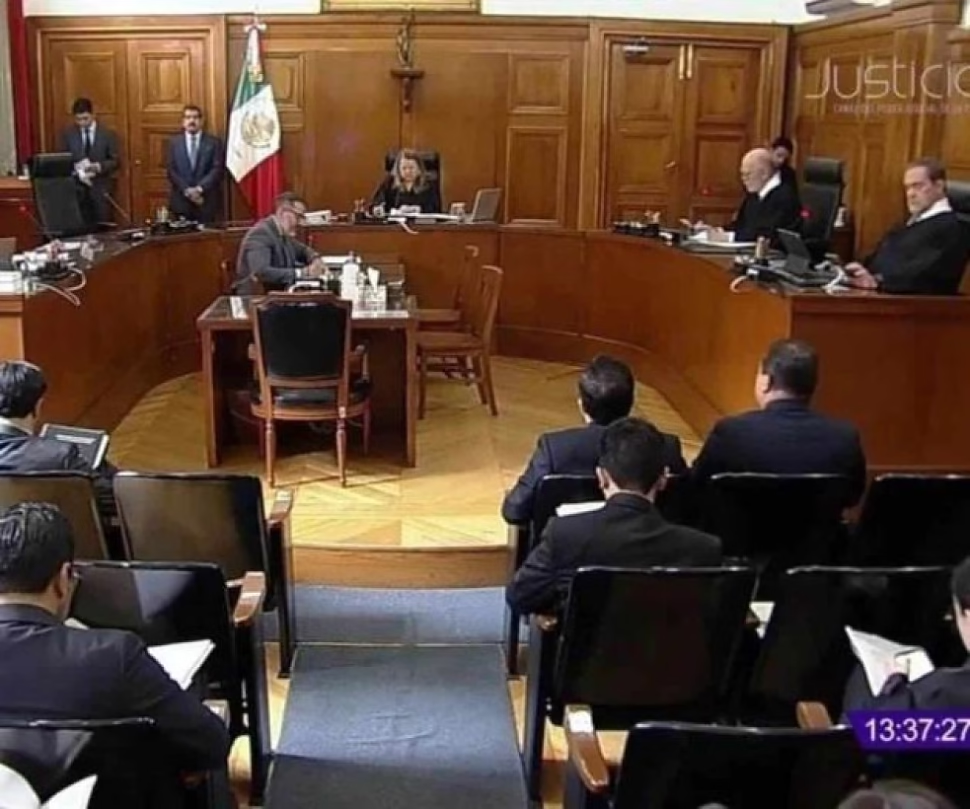
Ah, the First Chamber of the Supreme Court of Justice of the Nation (SCJN), that select club of ministers who, before saying goodbye with a forced smile and a golden pension, decided to leave their mark on history. As? Discussing on August 13 whether to grant an amparo so that the unofficial preventive detention (PPO) stops being so… well, unofficial. Because, of course, what better time to change the rules than right when they will no longer be in office to deal with the consequences?
A case of marijuana, weapons and good intentions
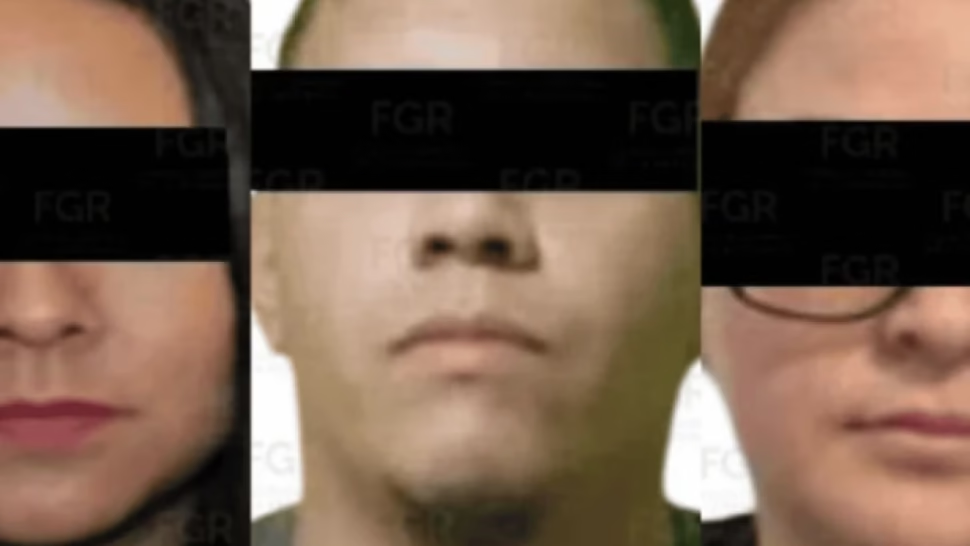
Minister Margarita Ríos Farjat, in an outburst of judicial rebellion, proposed granting protection to Adrián Alegre Hernández, a Michoacan citizen accused of possessing marijuana and a prohibited weapon. The idea? Let a judge evaluate whether he really needs to rot in jail before being tried, instead of applying the PPO as if it were a postage stamp. How crazy! Think before locking up! What world do these judges live in?
If the project is approved (they only need three out of five votes, which in judicial politics is like asking five cats to agree not to throw the vase), it would be the first time that the Court says to article 19 of the Constitution: “Hey, calm down, old man, not every crime deserves automatic prison.” Of course, this is assuming they manage to vote on it before the new integration of the Court arrives in September with fresh ideas… or more of the same.
The Government, the IACHR and the art of procrastination
Meanwhile, the Full Court has a small task on its to-do list: comply with the ruling of the Inter-American Court of Human Rights (IACHR), which in 2023 ordered Mexico to eliminate the PPO. But, surprise, they only have three sessions left, and the Federal Executive has already asked twice not to vote for it. Translation? “Leave that problem for the new guys, anyway, we’re leaving.”
In his project, Ríos Farjat insists on the same thing he said in 2022: that the PPO should not be automatic, but rather exceptional, necessary and proportionate. Come on, the judge should think two seconds before sending someone to jail. Revolutionary! No? Although, of course, in a country where justice sometimes seems more like a lottery than a process, perhaps it is too much to ask.
The funniest thing is that, for this project, there were meetings for two months with the FGR, state prosecutors’ offices, public defenders and even victims’ commissions. In other words, a lot of people discussing whether it is better to lock someone up before or after thinking it through. And the result? We don’t know yet. But if history has taught us anything, it is that in Mexico, important things are usually decided… at the last minute.
Did you like this analysis? Share it on your networks and continue exploring more content on justice and human rights!