The change that almost no one makes anymore
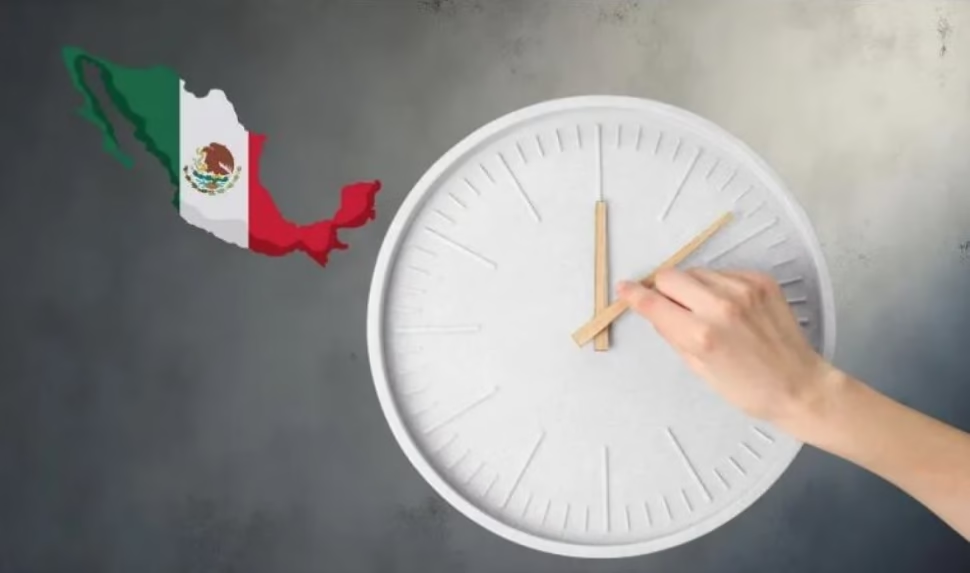
Remember the annual hassle of turning the clock forward and back? For most of Mexico, that is history. A legal reform approved in 2022 under the López Obrador government eliminated daylight saving time in almost the entire territory.
But there is one important exception, and it is pure economic realpolitik.
The strip that does move
This Sunday, March 8, at 2:00 AM, clocks in specific municipalities on the northern border will move forward one hour. The measure seeks to maintain synchronization with the United States and avoid chaos in cross-border trade, work and transportation.
“This seasonal schedule is maintained in the border strip to facilitate economic, commercial and transportation coordination with the United States,” explains the regulations.
The affected states and municipalities are:
- Baja California: Tijuana, Mexicali, Ensenada, Playa Rosarito, Tecate.
- Chihuahua: Ciudad Juárez, Ojinaga, Ascensión, among others.
- Coahuila: Acuña, Piedras Negras, Guerrero…
- Nuevo León: Anáhuac and Los Aldama.
- Tamaulipas: Nuevo Laredo, Reynosa, Matamoros…
For them, the new schedule will apply until November 1, 2026.
Meanwhile, the rest of the country – Mexico City, Jalisco, Puebla – will continue with its fixed standard time all year round. A small adjustment for a few, while the vast majority have already left behind that tradition that officially began in 1996.