


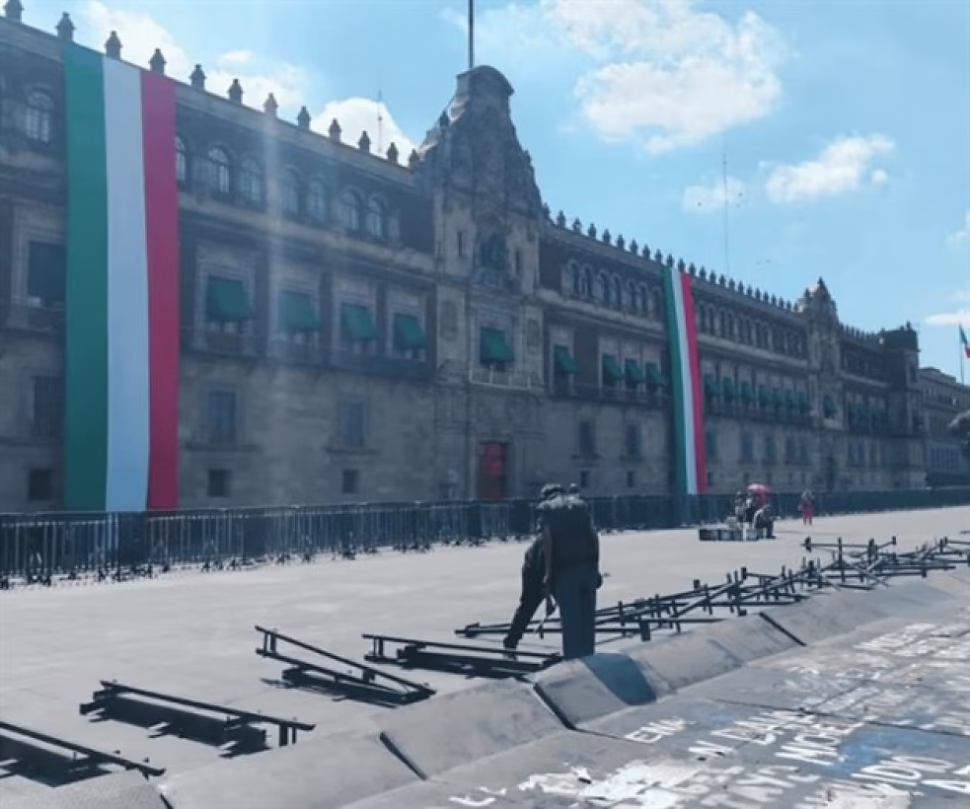
Strategic meeting at the National Palace
President Claudia Sheinbaum Pardo held a high-level meeting on the afternoon of Wednesday, January 7, with the Mexican diplomatic corps. The meeting was part of the work of the 37 Meeting of Heads of Embassies and Consulates (REC) 2026, a fundamental forum for the coordination of the country’s foreign policy. The event, held at the National Palace, brought together ambassadors and consuls who represent the nation’s interests abroad, including key figures such as the ambassador to the United States and Foreign Minister Juan Ramón de la Fuente.
Agenda for dialogue and international projection
In her morning conference prior to the meeting, the president outlined the central objectives of the dialogue. Sheinbaum pointed out that the talk would focus on explaining the meaning of the transformation that Mexico is experiencing, taking stock of the achievements achieved during the year 2025 and projecting the strategic goals towards 2030. This approach reflects a structured government methodology that seeks to align foreign action with internal development projects, establishing a coherent narrative for the country’s representatives in the world.
An essential component of the meeting was the feedback from the different legations. The head of the Executive emphasized the importance of “listening to them, what perspectives there are from each embassy“, thus recognizing the value of the situational analysis that diplomats carry out from their respective destinations. This two-way exchange is crucial to formulate a foreign policy that is pragmatic and sensitive to the constantly evolving global context.
Strengthening bilateral and multilateral cooperation
The call included an express invitation to increase ties of cultural collaboration and economic ties with different nations. The promotion of cultural cooperation serves as an instrument of public diplomacy to project the image and values of Mexico, while the promotion of trade and investment exchanges is directly linked to national growth objectives. This double axis of work seeks to create comprehensive strategic associations that transcend the merely governmental.
The president also referred to the need for the diplomatic network to maintain vigilant attention in the face of complex international situations, specifically mentioning the case of Venezuela. This instruction highlights Mexico’s role as a global actor with responsibilities and demonstrates a foreign policy approach that, while prioritizing the self-determination of peoples and the peaceful resolution of disputes, requires constant monitoring and professional evaluation of events that may impact national interests or regional stability.
In conclusion, this meeting between President Sheinbaum and the heads of the missions abroad constitutes an exercise in strategic alignment and prospective planning. It functions as a mechanism to transmit the government’s vision, collect first-hand contextual intelligence and coordinate efforts to position Mexico in the world of the next decade. Mexican diplomacy, under this orientation, is emerging as an active tool for development, seeking to convert international relations into a tangible catalyst for the objectives embodied in the domestic agenda towards 2030.
Are you interested in understanding how foreign policy impacts national development? Share this analysis on your social networks and explore more content about Mexico’s international strategy.


