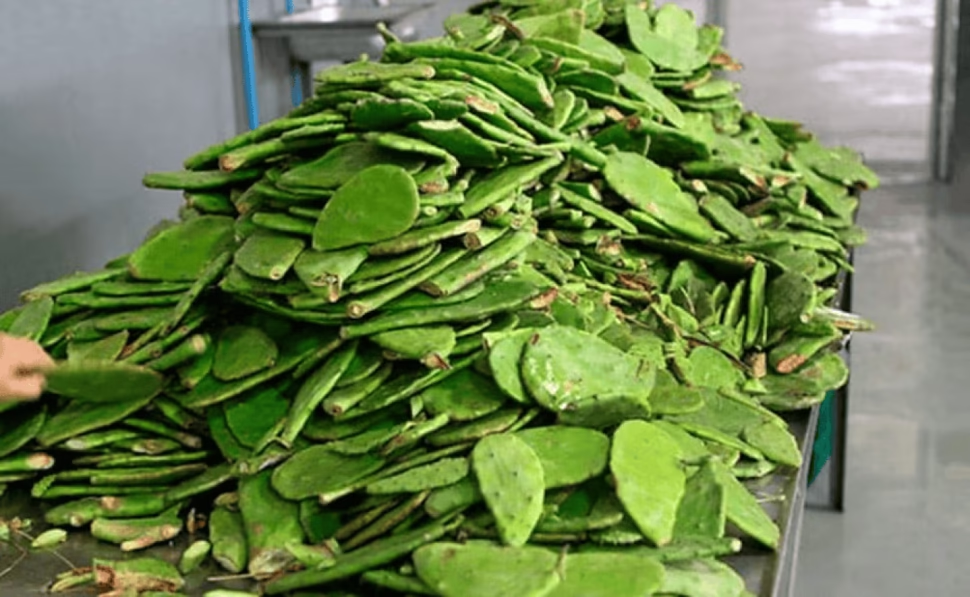
The cactus waste that is usually discarded could be transformed into a tool for sustainable agriculture. UNAM researchers developed an organic fertilizer from the thorns and edges of this cactus that increased the biomass of the crops by up to 20% and accelerated their growth.
Results in Milpa Alta
The project was led by Bruno Chávez Vergara, from the UNAM Institute of Geology. Nopal digestate, a byproduct of the anaerobic digestion of organic waste, was evaluated. The research, funded between 2018 and 2020 by the Ministry of Education, Science, Technology and Innovation of Mexico City, seeks to promote sustainable practices in volcanic soils in the south of the basin.
Between 15% and 20% of the nopal processed for consumption is discarded as thorns and edges. This material is used to generate biogas and electricity, but it also produces a liquid waste that works as organic fertilizer. The tests were carried out in agricultural areas of Milpa Alta, Xochimilco and Tláhuac, in collaboration with Sustainability in Energy and Environment (SUEMA).
Chávez Vergara explained that digestate provides mineral nutrients to plants and feeds beneficial bacteria and fungi in the soil, recovering biological functions affected by years of chemical fertilizers. Unlike synthetics, this product promotes the microbial activity necessary for soil fertility. Its liquid presentation allows better use of water and faster absorption of nutrients.
In forage oat crops in Milpa Alta, the results were immediate. Since the first agricultural cycle, a 20% increase in biomass and a reduction of up to one month in maturation time was recorded. The researcher pointed out that these benefits would be especially useful for hillside and rainfed farmers, where lack of irrigation and erosion make production difficult.
Following the results, the UNAM team plans to expand the tests to corn and carrots, in addition to determining the minimum dose necessary to make the use of this fertilizer based on cactus residue profitable.