Analysis of Citizen Mobilization in Calzada Ignacio Zaragoza
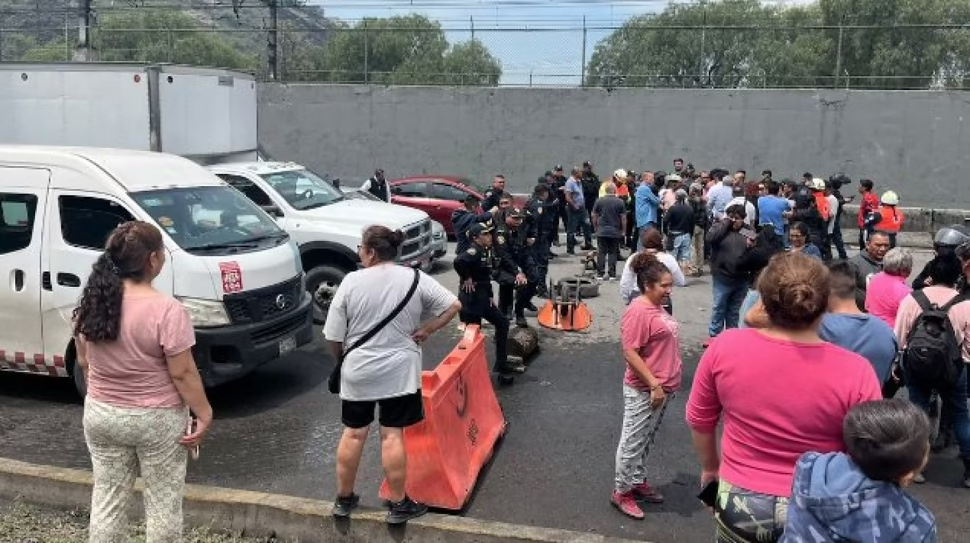
A concentration of approximately fifty protesters took place during the afternoon of this Wednesday, September 3, 2025, resulting in the total blocking of the central and lateral lanes of Calzada Ignacio Zaragoza, in the vicinity of the La Balvanera neighborhood, heading west of Mexico City. This event is not an isolated event, but the culmination of a prolonged conflict between residents of the area and government authorities.
The background investigation reveals that the protest originates from recurring structural damage to the protesters’ homes, caused by severe waterlogging and flooding. According to the information collected from citizen demands, during the previous year the corresponding government bodies established a formal commitment to provide financial compensation for the repair and mitigation of damage to buildings. However, those affected assure that said financial resource has not been disbursed, which shows a clear non-compliance on the part of the authorities.
Road Impact and Response of the Authorities
The interruption of vehicular flow on one of the primary roads in the east of the capital generated significant road complications, affecting the mobility of thousands of people. The blockade worked as a pressure measure to make the problem visible and accelerate the institutional response. Given the congestion, mobility authorities recommended drivers use alternative routes, including República Federal, Texcoco and Benito Zenea avenues, as well as the side lanes of Zaragoza that were not compromised by the mobilization. These types of protest actions, although disruptive, are frequently the last resort resorted to by communities that feel ignored by traditional channels of dialogue.
The structural analysis of this situation reveals a broader and recurring problem in urban areas susceptible to meteorological phenomena: the lack of adequate drainage infrastructure and slow and ineffective protocols to address damage to private property derived from failures in public infrastructure. The unfulfilled promise of reparation not only aggravates the material damage to homes, but also erodes citizen confidence in their institutions, creating a cycle of discontent and protest.
The choice to block a high-traffic arterial road is strategic, designed to maximize the visibility of the cause and incur a social cost high enough to force the authority to enter into negotiation. This case is framed in an observable pattern of collective action where the interruption of daily order is used as a bargaining chip to achieve an audience and response.
The resolution of this conflict, from a rigorous perspective, not only requires the pending disbursement, but the implementation of substantive solutions to the storm drainage problems in the area, along with the creation of transparent and agile mechanisms for future contingencies, thus preventing the repetition of these acts of demonstration.
Was this analysis useful for you to understand the complexity of urban mobilizations?Share this article on your social networks to expand the conversation about citizen rights and government responsibility. Explore more content in our social analysis section to delve deeper into current issues and their impact on the community.