The event in Miami that puts the Canal at the center
José Raúl Mulino adjusts his glasses. The Panamanian president confirms what many expected: this weekend he will be in Miami with Donald Trump and eleven other Latin American leaders. The agenda, he says, will be set by what each country means to Washington.
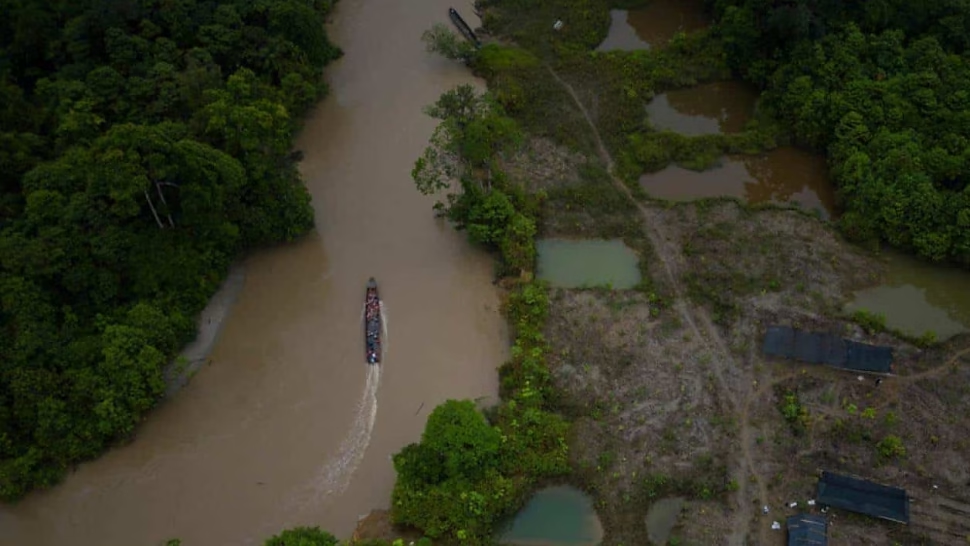
And that is where Panama plays its cards. The trump card is called the Canal. Mulino does not doubt it: “Panama maintains a strategic role due to the operation of the Canal.” That waterway is not just a trade route; It is a thermometer of global tensions.
“The agenda of the meeting will depend on the importance that each country has for the United States”
The invitation arrives loaded with context. Trump had already launched his darts before starting his second term: he criticized tariffs on American ships and issued warnings about alleged Chinese influence in the administration of the canal.
They are not words in the air. Panama recently took control of two key ports at the canal’s entrances. The Supreme Court struck down the concession contract with a Hong Kong consortium. A technical move, yes, but in the middle of the commercial pulse between Washington and Beijing.
What seems like just another meeting is, in reality, a new chapter. The Canal is once again a currency, a board where bigger pieces move. Mulino arrives in Miami with that asset in hand. The question is what Trump expects in return.
The expectation in Panama City is palpable. Not only because of the diplomatic meeting, but because of what it represents: once again, the small strip of land that joins oceans becomes the epicenter of something much larger.