A Brave Voice that Breaks the Silence
The universe of beauty pageants is shaken by a storm of controversy that goes beyond a simple title. What began with accusations of fraud after the coronation of Fátima Bosch, has escalated into a much deeper and worrying complaint: systemic racism. At the center of this controversy are the president of the organization, Raúl Rocha Cantú, and the very foundations of the contest, questioned by practices that, according to the contestants, marginalize smaller nations, especially on the African continent.
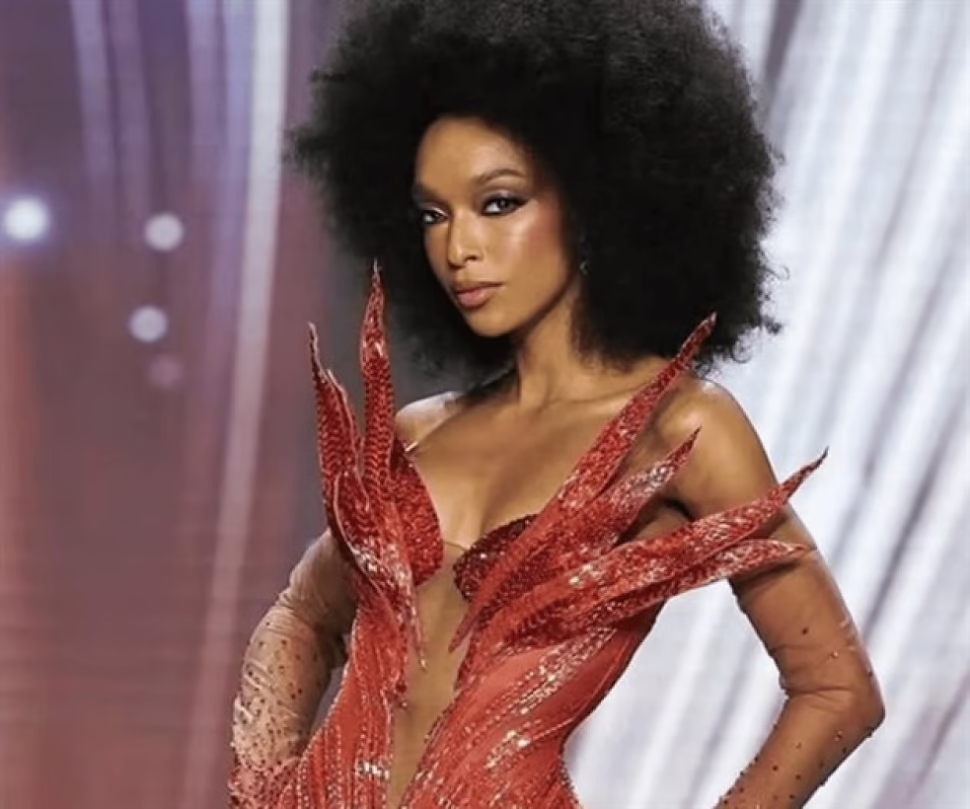
The representative of Guadalupe, Ophély Mézino, used her social networks to respond firmly to the explanations that Cantú offered to journalist Carlos Loret de Mola. The businessman justified the fifth place of the Ivory Coast delegate by arguing immigration complications. His words, far from calming people down, set off an alarm. “Go online and say: How many countries require a Côte d’Ivoire visa?… 175. You can imagine the cost of the visa for each country and the time of lawyers, but the fans don’t see that,” Rocha Cantú declared, revealing a perspective that has been described as discriminatory.
The Explicit Complaint of Ophély Mézino
For Mézino, these statements were not a simple justification, but the tip of the iceberg of a serious problem of racial bias. The model launched a series of direct and forceful questions through her Instagram stories, challenging the integrity of the organization: “Did you steal my Afro-Caribbean girls’ money? Did you let them compete knowing they could never win? Did you let them participate just to talk about diversity and inclusion?” With these questions, she exposed what she perceives as institutional hypocrisy, where diversity is celebrated as a slogan, but is not practiced with real equity.
The visa excuse was particularly irritating for the Guadeloupean. He noted that all information related to travel documents and immigration permits is provided by the contestants from the beginning of the process. The visa issue? Are you trying to come up with a racist excuse for not choosing someone highly qualified for the job? Do you even read our biographies when we hand over our visa information? My girl has an American passport. What are they talking about?”He added indignantly. This point dismantles the president’s argument, suggesting that the immigration obstacle was a pretext and not a valid reason.
Mézino did not hesitate to describe the situation as a great “injustice”, stating that the organization benefits economically from smaller territories while denying them a genuine opportunity for success. “You steal money from small territories. They steal the hope of millions of people who do not understand why they did not enter the Top 12/30/5. “This is the worst excuse I have ever heard,” she said. Her voice has joined a growing chorus of discontent that is redefining the conversation about equal opportunity at global beauty events.
A Collective Movement That Demands Change
Miss Guadalupe’s claim is not an isolated case. It has found echo in the actions of other representatives who have decided to take a firm stance. Miss Estonia and Miss Ivory Coast herself have renounced their crowns as an act of protest against the organization’s policies and statements. Furthermore, the holders of Miss Portugal and Miss Curaçao have spoken out publicly, ensuring that the ideals that Miss Universe now represents no longer align with their personal values and principles. This transnational solidarity marks a pivotal moment, indicating that the participants are no longer willing to accept practices that they consider exclusive or discriminatory.
So far, the silence on the part of the Miss Universe board and Raúl Rocha Cantú is deafening. The lack of an official response or plan to address these serious allegations only fuels the credibility crisis and tarnishes the reputation of one of the world’s most iconic beauty competitions. This incident serves as a crucial reminder that true inclusion requires more than speeches; It demands concrete action, transparency and an unwavering commitment to equity for all nations and cultures represented on stage.
Do you think it’s time for a profound change in beauty pageants? Share this story on your social networks to amplify this important conversation and help us explore more content about the evolution of diversity in global entertainment.