Analysis of Mexican Capacity in Intellectual Property before the T-MEC
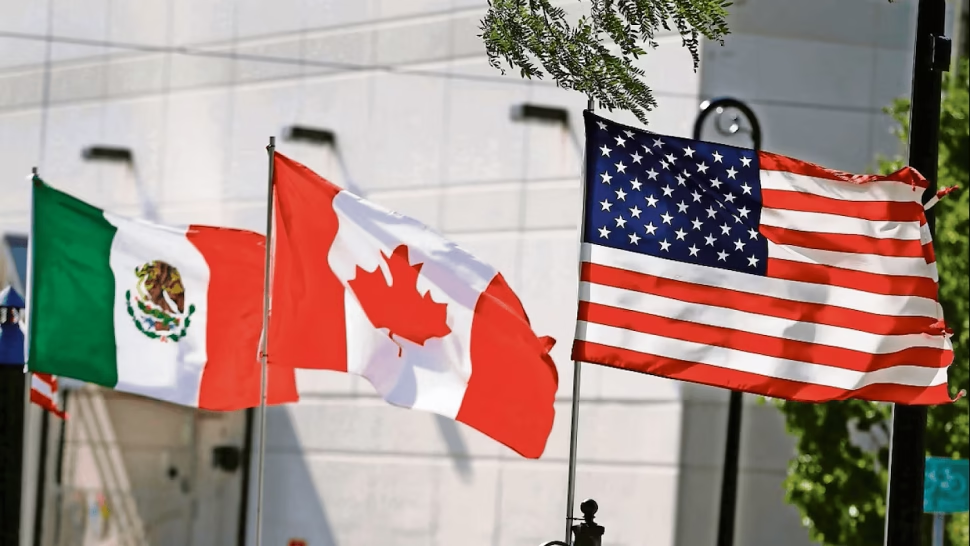
A meticulous evaluation of the current situation reveals that the Mexican Republic does not have the arsenal of legal, technological and operational instruments essential to face an exhaustive review of the Treaty between Mexico, the United States and Canada (T-MEC), specifically in the chapters concerning the safeguarding of intellectual property and the fight against piracy. This conclusion was stated precisely by Jean Yves Peñalosa, a specialist with recognized experience in the field, whose analysis points to critical structural deficiencies.
The context of this evaluation is framed in the scheduled review process of the trilateral agreement, which is scheduled for next year. According to the expert, this event will not generate “large positive effects” for the country, given that the nation cannot exhibit solid and quantifiable results in its battle against copyright and patent infringement. This lack of tangible achievements is directly attributed to the absence of deep and strategic actions by the competent authorities, beyond superficial or reactive initiatives.
Breakdown of Strategic and Operational Gaps
A deep examination of the situation reveals multiple facets of this problem. Firstly, the legal infrastructure presents gaps that make it difficult to effectively prosecute crimes related to piracy. Although laws exist, their application is inconsistent and lacks effective inter-institutional coordination. Secondly, the technological resources assigned to the responsible agencies are frequently obsolete or insufficient to track and combat the sophisticated distribution networks of counterfeit products, which operate in both the physical and digital spheres.
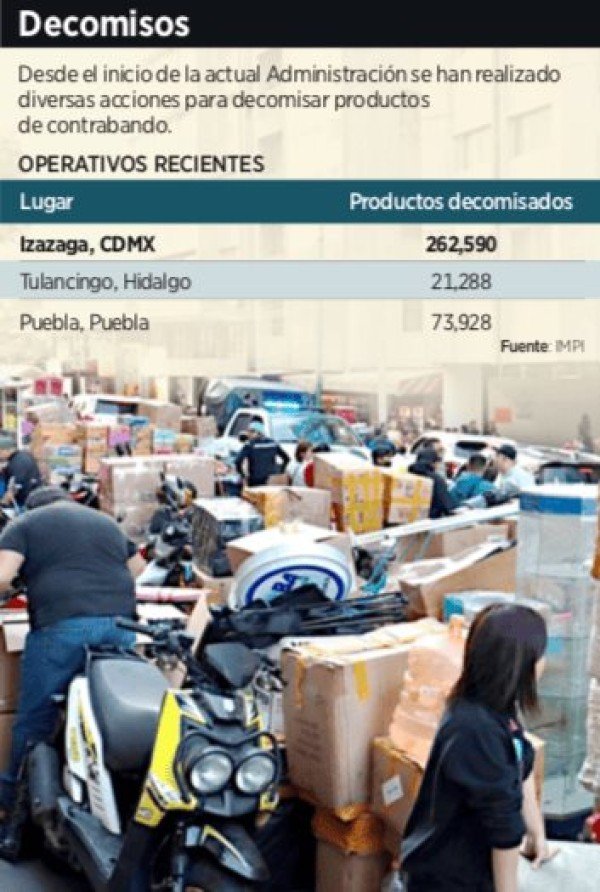
In addition, there is a palpable lack of specialized training among security forces and judicial operators to handle complex cases of violation of industrial and intellectual property. This failure translates into slow processes, rulings that are not very dissuasive and, ultimately, in an environment that does not inhibit the commission of these crimes. The direct consequence is an ecosystem where piracy flourishes, affecting not only fiscal coffers through tax evasion, but also foreign direct investment, as rights-holding companies hesitate to enter or expand in a market perceived as unsafe for their intangible assets.
The economic impact of this negligence is quantifiable. Studies by various business chambers indicate that the counterfeit and pirated content industry generates multimillion-dollar annual losses, eroding the competitiveness of legitimate sectors and discouraging local innovation. The next review of the T-MEC will act, in essence, as a thermometer of the seriousness with which Mexico approaches its international commitments. Poor performance could have consequences that transcend reputation, including potential trade disputes or the imposition of tariff sanctions for non-compliance with agreed standards.
Peñalosa’s statement, therefore, does not constitute a mere isolated opinion, but rather a founded warning about an imminent risk. It underlines the urgent need to implement a comprehensive and multifaceted strategy that strengthens institutions, modernizes legal frameworks, provides authorities with adequate tools and fosters a culture of respect for intellectual creation. Without this paradigm shift, the country will enter a crucial negotiation with obvious disadvantages and few arguments to defend its position.
Does this analysis reflect the reality of innovation in your sector? Share this research on your social networks to expand the conversation and explore more content on the challenges of global trade.