


Martha Higareda’s path to motherhood
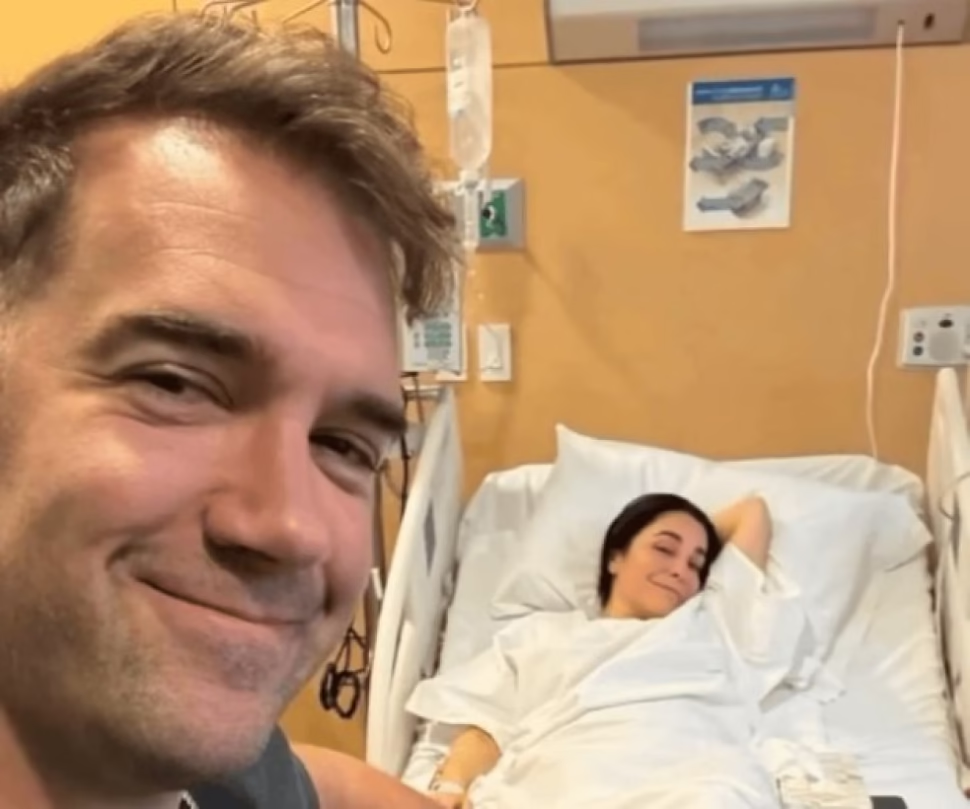
The renowned Mexican actress Martha Higareda, 41, and her husband Lewis Howes, 42, are in the final stage of preparation to welcome their first child. This holo comes after a complex medical and emotional process, marked by surgical intervention to remove uterine fibroids, benign tumors that compromised her reproductive capacity.
A medical and personal challenge
In 2024, Higareda underwent a laparoscopy performed by specialist Dr. Gerardo Barroso, after reducing the size of his fibroids through an Ayurvedic detox treatment. The actress described the procedure as “complicated” due to the initial volume of the tumors, but highlighted the success of the intervention and thanked the medical team. In a public message, he related the experience to a vital metaphor: “Just as you have to make room for opportunities, you also have to make room for starting a family.”
Higareda’s case reflects a problem that affects 70% of women according to the WHO, although only 25% develop symptoms. Fibroids can cause infertility by distorting the uterine cavity, a fact that the actress addressed transparently to raise awareness about the importance of periodic gynecological check-ups.
Biodecoding and emotional process
Complementing the clinical treatment, Higareda resorted to biodecoding, an alternative therapy that analyzes the emotional factors behind the pathologies. As he revealed, the therapists associated his fibroids with family overload: “Your body feels like you already have children,” they explained to him, referring to his sense of responsibility towards close relatives. This holistic approach allowed her to restructure her emotional dynamics and prepare psychologically for motherhood.
The couple, who began their relationship in 2021 and married in February 2025, have openly shared this journey as part of their life philosophy. Higareda emphasized the need to address reproductive health from a integral perspective, combining conventional medicine and emotional self-knowledge.
This story not only documents a personal experience, but also sheds light on the challenges of female fertility after the age of 40, a relevant issue in societies with a growing tendency toward late motherhood. INEGI data show that 15% of births in Mexico correspond to women between 40 and 49 years old, a group where fibroids are most common.
Did this story inspire you? Share it to raise awareness of the challenges of reproductive health or explore more content on women’s well-being on our site.


