


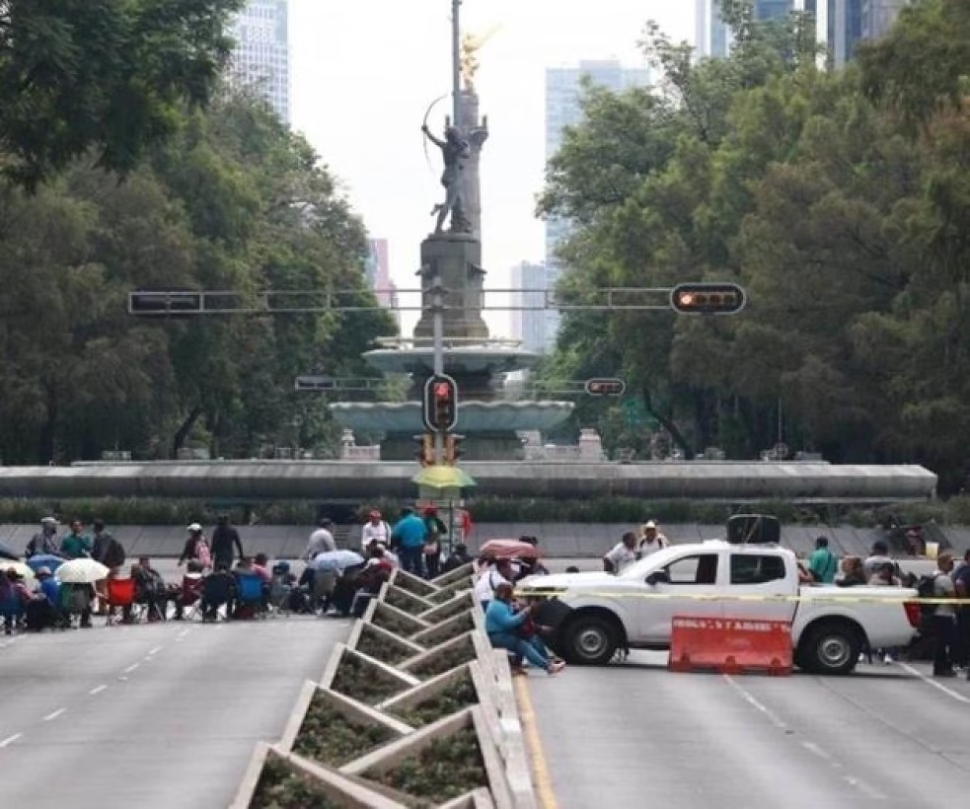
CNTE protests paralyze key roads in CDMX
The National Coordinator of Education Workers (CNTE) has escalated its mobilizations in Mexico City, implementing blockades in Paseo de la Reforma and surrounding areas during its fourteenth consecutive day of protests. According to reports from the official @OVIALCDMX account, traffic on this emblematic avenue was closed in both directions at the height of Mississippi, forcing drivers to look for alternative routes such as the Interior Circuit or Chapultepec Avenue.
Critical points and mobilized contingents
At least six groups belonging to Section 22 of Oaxaca participate in the closures, focused on strategic areas such as the Caballito Tower, the Glorieta de las Mujeres que Luchan and the Independence Monument. The general secretary Yenny Pérez leads the actions, which include the deployment of chairs and umbrellas to support the barricades until 3:00 or 4:00 p.m. Although the blockades began late, they quickly extended to Bucareli Avenue and other accesses near the Plaza de la República, where another contingent closed Rosales and Thomas Alva Edison streets.
Meanwhile, CNTE representatives held an internal assembly to evaluate the government responses received the previous day. According to sources close to the movement, the proposals of the Secretary of the Interior were described as insufficient, which motivated the decision to continue with the protests. Among the central demands stands out the repeal of the ISSSTE Law, an issue that has generated rejection among teachers due to its implications on their labor rights.
Road impact and reactions
The vehicle collapse has caused frustration among motorists, some of whom tried to avoid the blockages using sidewalks or even the exclusive Metrobús lane. Police elements were deployed to help trapped drivers, facilitating maneuvers in the wrong direction. On the other hand, the protesters reinforced their presence with slogans and banners that reiterate their demands, while ensuring that the closures remained intact.
This event is part of a coordinated pressure strategy that seeks to maintain media and political attention on their demands. Analysts point out that the choice of Paseo de la Reforma —priority road axis— is not coincidental, since it maximizes the visibility of the movement and its ability to disrupt economic and administrative activities in the capital.
What’s next? The CNTE has made it clear that it will not give in until it obtains concrete answers, which suggests that the mobilizations could extend in the coming days. Meanwhile, local and federal authorities face the challenge of balancing the right to protest with the need to guarantee urban mobility.
Share this information on your social networks and stay up to date with more analysis on social conflicts in Mexico.


