


Analysis of the military incursion in southern Syria
An operation by the Israel Defense Forces in a town in southern Syria resulted in a fatal toll of thirteen deaths, as confirmed by official Syrian sources. The Israeli army justified the raid as a preventive measure against militant cells that, according to its intelligence, were planning imminent attacks on Israel’s northern border. This action is part of a pattern of Israeli tactical operations aimed at neutralizing what they call national security threats emanating from Syrian territory, particularly in the disputed region of the Golan Heights.
The regional context is essential to understand the escalation. The border between Israel and Syria has remained in a state of latent tension since the Syrian civil war, with Israel carrying out numerous airstrikes against targets linked to Iran and Hezbollah. However, direct ground incursions into towns are less frequent and carry a significantly greater humanitarian risk. The Israeli justification is based on the doctrine of self-defense against asymmetric threats, a principle that frequently comes under scrutiny under international humanitarian law.
The discrepancy in narratives and the civil impact
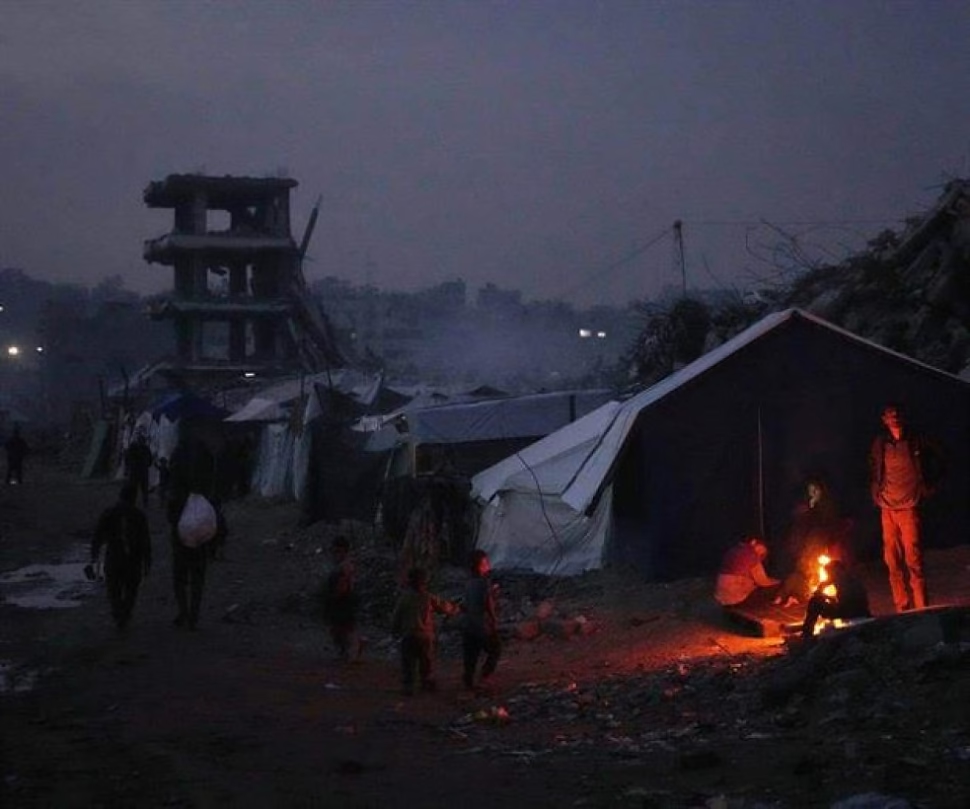
While the official Israeli narrative focuses on the neutralization of military objectives, testimonies from residents and local medical sources present a divergent reality. These sources categorically deny the presence of militiamen in the village at the time of the operation, maintaining that the victims were mostly civilians caught in the crossfire. Civil infrastructure, including homes, reportedly suffered considerable damage during the confrontation, aggravating the humanitarian crisis in an area already affected by years of conflict.
This fundamental disagreement about the nature of whites is at the heart of the debate. On the one hand, Israeli military intelligence appeals to the operational need to act on confidential information. On the other hand, the Syrian authorities and human rights organizations highlight the principle of distinction and proportionality, enshrined in the Geneva Conventions, which obliges the parties to the conflict to distinguish at all times between combatants and non-combatants. The high death toll, if their civil status is confirmed, questions the effective application of this principle on the ground.
Consequences and demands for accountability
The immediate repercussions of the event have been a uptick in regional instability and an increase in popular protests in Syria, which condemn the operation. The international community, through various diplomatic channels, has expressed its concern and has initiated exhaustive monitoring of the situation. Different global actors have called for an impartial international investigation to determine the facts accurately and establish responsibilities, ensuring that international law is respected.
The incident underscores the persistent volatility on the Syrian-Israeli border and the profound humanitarian consequences of military tactics in populated areas. The resolution of these episodes not only affects the immediate security of the inhabitants, but also influences the long-term geopolitical stability of the entire region. Transparency in the investigation and adherence to the norms of international law emerge as critical elements to prevent a spiral of violence and avoid the repetition of similar tragedies.
Do you think the international community is doing enough to protect civilians in conflict zones? Share this analysis on your social networks to expand the conversation and explore more content related to global geopolitics on our site.


