Counterfeiting becomes professional and targets your health
Imagine this: piracy is no longer just that street vendor with DVD movies or dubious brand caps. No, gentlemen. He has put on a suit, he has done a master’s degree in business and his new office is digital commerce. According to a survey by the American Chamber Mexico (Amcham), this crime advances alongside the formal industry, following impeccable (and terrifying) business logic. And its star product is no longer clothing: it is medicines and medical devices. Basically, they went from pirating your favorite shows to pirating what could save your life. Priorities, I guess.
The “Seventh Piracy Survey”, prepared with Lexia and Clarke Modet, paints a picture where seven out of ten companies see this scourge in at least two categories of their products. The reason? An explosive cocktail of high social tolerance, juicy economic incentives and an institutional system that, although on paper it sounds robust, in practice moves with the agility of a bureaucratic procedure. In other words, a lot of protocol, little action.
E-commerce is the paradise of the apocryphal product
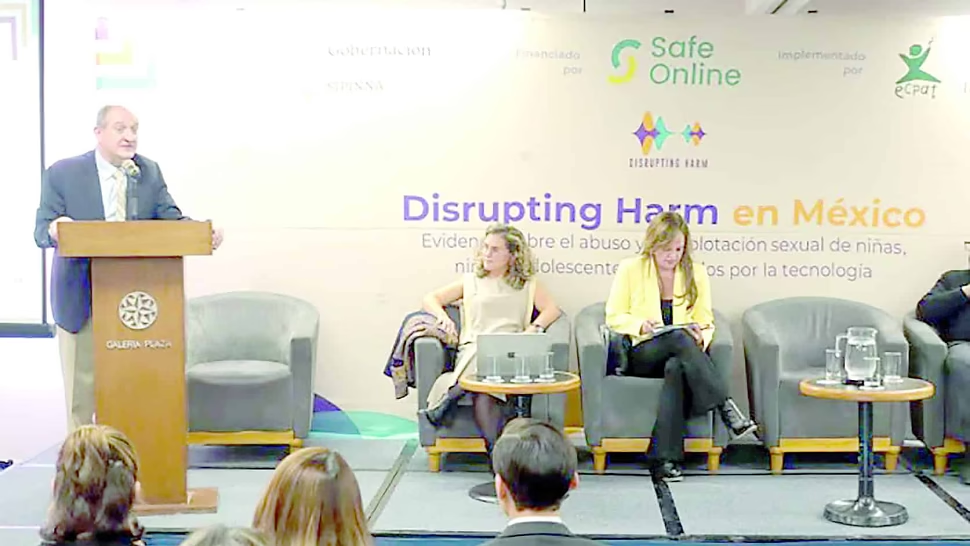
In a conference, Guido Lara, CEO of Lexia, released the information that confirms all our suspicions: e-commerce is the epicenter of falsehood. 91% of respondents detect piracy online, compared to 72% in informal street commerce and 63% in physical establishments. There is no algorithm to save you here. And to top it all off, 67% of these apocryphal goods are imported, demonstrating that globalization also has its dark and poorly packaged side.
The main hook, as always, is the price. We are talking about discounts of up to 50%. A bargain, right? Well, only a third of companies believe that the average consumer can distinguish between what is original and what is fake. The rest of us, browsing through offers, probably fall into the trap of thinking that we are savings geniuses. Spoiler: we are not.
Geography of deception and pharmaceutical alarm
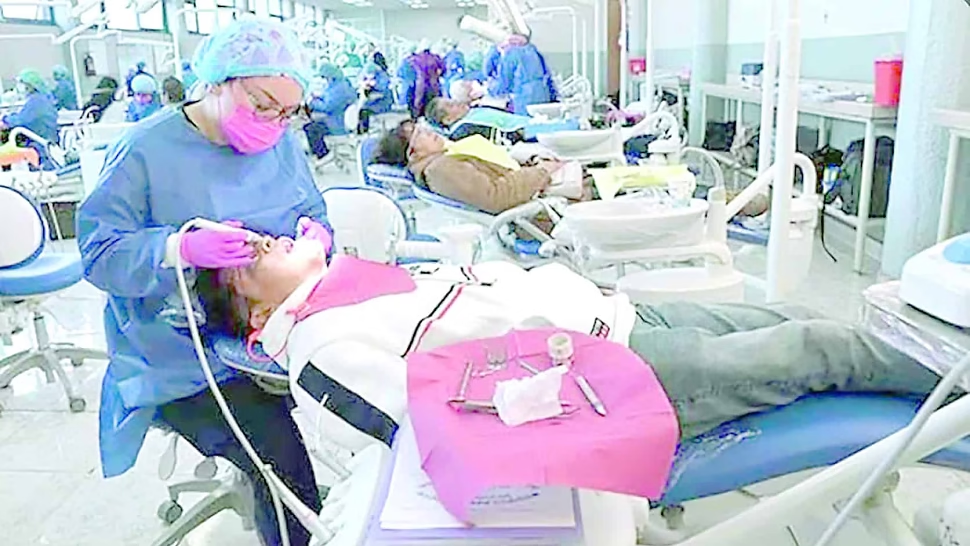
This black market is concentrated in large cities such as Mexico City (19%), Jalisco (15.4%) and the State of Mexico (15.3%), without forgetting border and industrial areas such as Baja California, Guanajuato or Michoacán. But the fact that really keeps you up at night is that drugs have ousted clothing and footwear from the top spot for the most counterfeited items. They are followed by food, drinks, personal care items and even toys. Nothing is sacred.
The reaction of the pharmaceutical industry is one of well-founded panic. Jorge Caridad, president of the Mexican Association of Pharmaceutical Research Industries (AMIIF), made it clear: what is most alarming is the preservation of health, especially with medications for devastating pathologies. The biggest drama: 87% of false medications are detected when they are ALREADY in the hands of the patient. In other words, the system acts as that friend that warns you of danger when you have already fallen down the stairs.
Caridad pointed out the need for clear and effective reporting channels. Because if you report an illicit product and your case is lost in an endless judicial labyrinth, the demotivation is total. It’s like reporting a bug in an app and never getting a response. In the end, you end up agreeing to live with the error.
The conclusion is clear: shopping online has become a minefield where the bargain of the day can cost you more than money. The professionalization of counterfeiting forces us to be hypervigilant. Checking stamps, origin and, above all, distrusting prices that are too good to be true, is no longer paranoia, it is common sense for survival.
Are you surprised that medicines are now the main target of hackers?Share this information on your social networks to alert more people and explore our site for more content on how to safely navigate digital commerce.