Preventive diplomacy
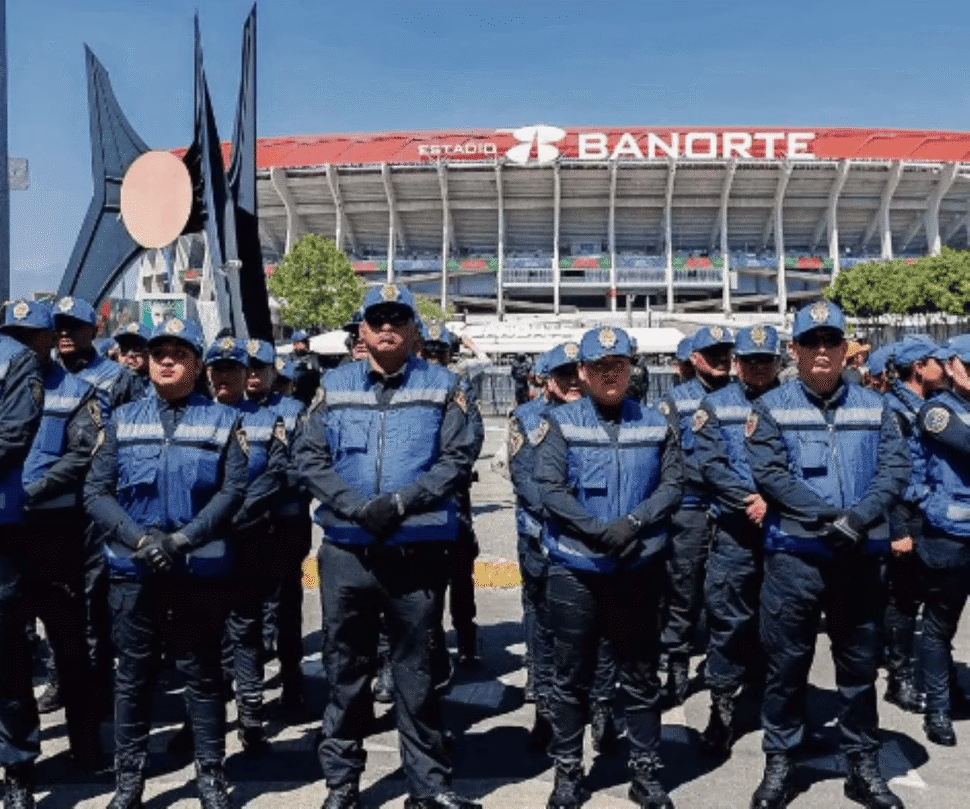
A month and a half before the opening whistle of the 2026 FIFA Cup, the United States embassy in Mexico is already in protection mode. With the arrival of thousands of American citizens, Ambassador Ronald Johnson released a series of recommendations so that the trip does not end in drama.
The first lifeline: 911. Yes, that number we all know. But the embassy emphasizes it as if it were a mantra: “Call 911 if you are reporting a crime that is being committed or if someone is in immediate danger.” It’s not for making an appointment at the dentist, it’s for real emergencies.
The survival kit. The diplomatic representation asks to have key information on hand: full name, date of birth and passport number of the US citizen. It’s not paranoia, it’s strategy. “If possible, have that information at hand”, they insist. And if the night gets complicated, there is a backup number: +5255 2579 2000, available 24/7.
The background play. This is not just a travel memo. It is a sign that the 2026 World Cup is not just about parties and goals. It is an event that moves masses, and where security becomes the most important issue. The embassy is making it clear: “We are here, 24 hours a day, 7 days a week, to support Americans in emergencies.”
The final message. The recommendation is not only for tourists. It is for everyone who will be in the country during the tournament. Be prepared, have your details ready, and if something smells bad, call. Because in the theater of football, sometimes the biggest drama is not on the field.