The Cuauhtémoc ship suffered mechanical failure before colliding with the bridge

An expert reveals the technical causes behind the shocking incident involving the emblematic Mexican sailboat in New York waters.

Detailed analysis of the Cuauhtémoc training ship incident

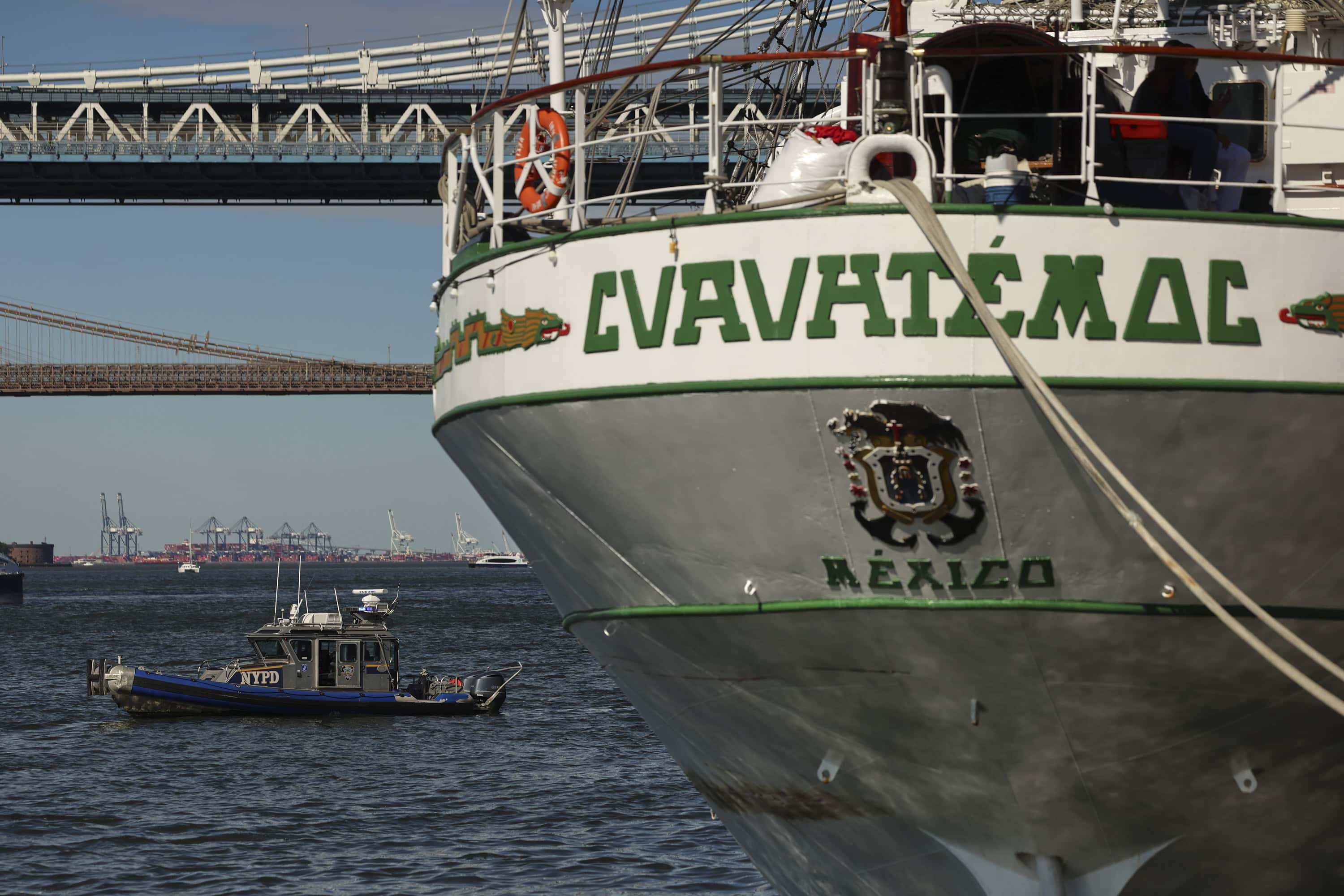
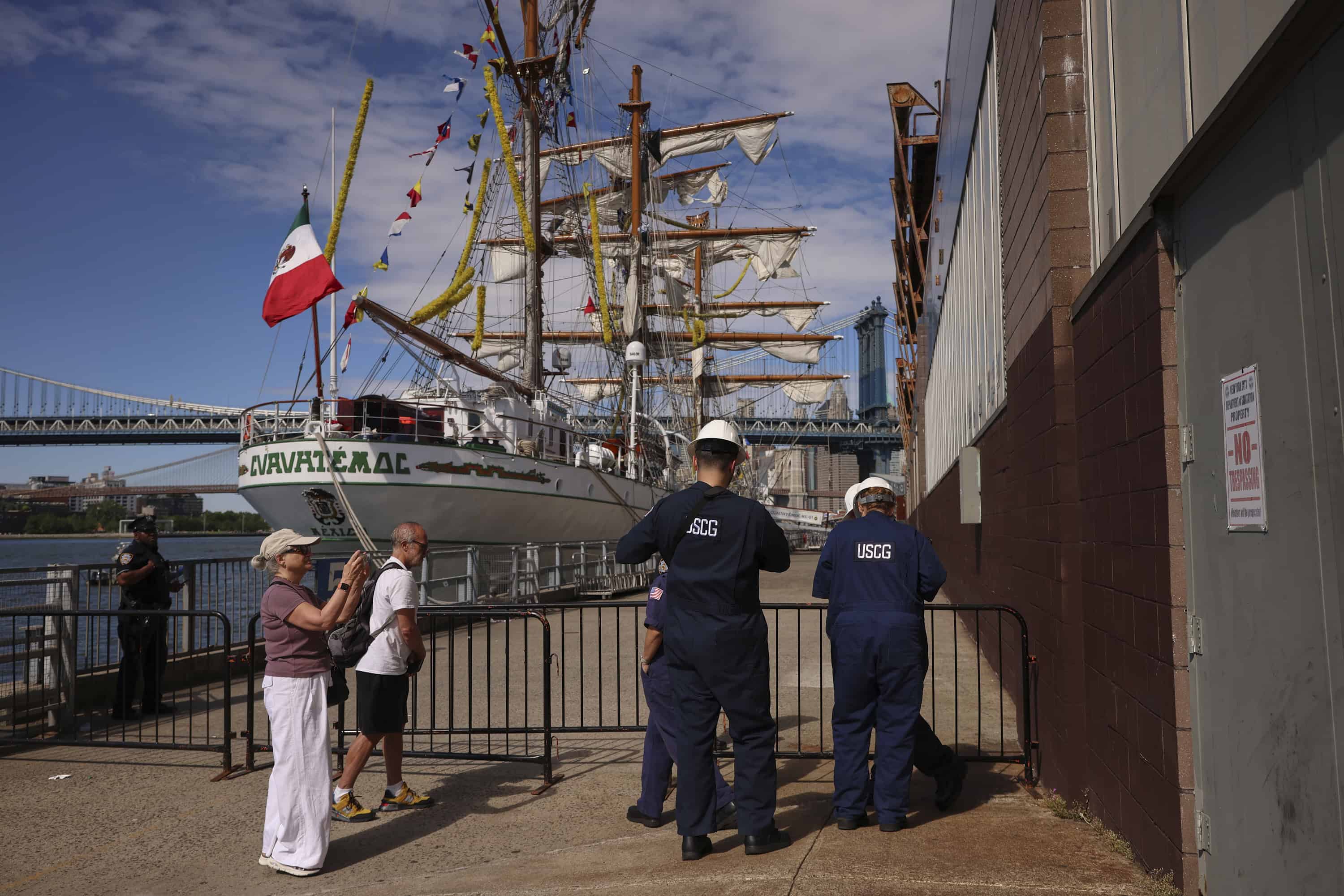
The impact of the emblematic Mexican sailboat ARM Cuauhtémoc against the iconic Brooklyn Bridge in New York constitutes a case study in nautical safety. According to preliminary research by maritime historian Sal Mercogliano of Campbell University, this event was classified as an accident resulting from technical failure, not operational negligence.

Technical causes identified

Naval forensic analysis suggests two main hypotheses: a sudden loss of motive power or a blockage of the transmission system in reverse position. “The absence of visible wake in the videos indicates inoperability of the thrusters,” Mercogliano explained, highlighting that this visual evidence contradicts poor navigation scenarios.

RelatedThe Cuauhtémoc ship requested tugboats before crashing in New York

The critical sequence occurred when the vessel, after leaving its mooring, faced adverse currents that, combined with the mechanical failure, caused the stern to drift irreversibly towards the bridge structure. This uncontrolled movement resulted in the partial collapse of the mast system where cadets were on routine exercises.

Operational context and consequences

The ship, 90.5 meters long and 12 meters deep, was carrying out protocol maneuvers when the incident occurred. The critical height of its masts (45 meters) clearly exceeded the free space of the bridge (41 meters at high tide), which rules out any intention of transit through that sector. “It was physically impossible for them to try to pass,” the expert emphasized.

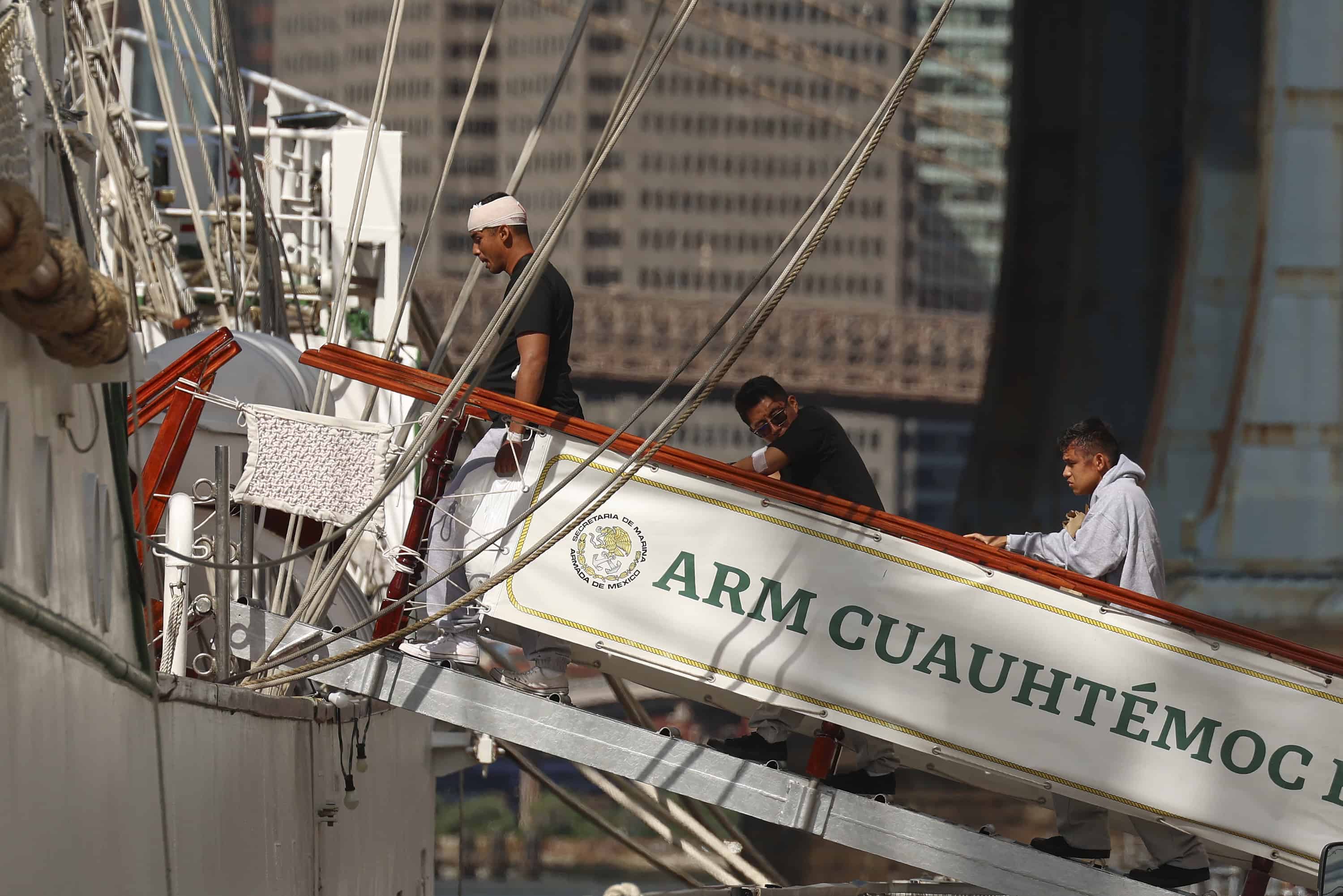
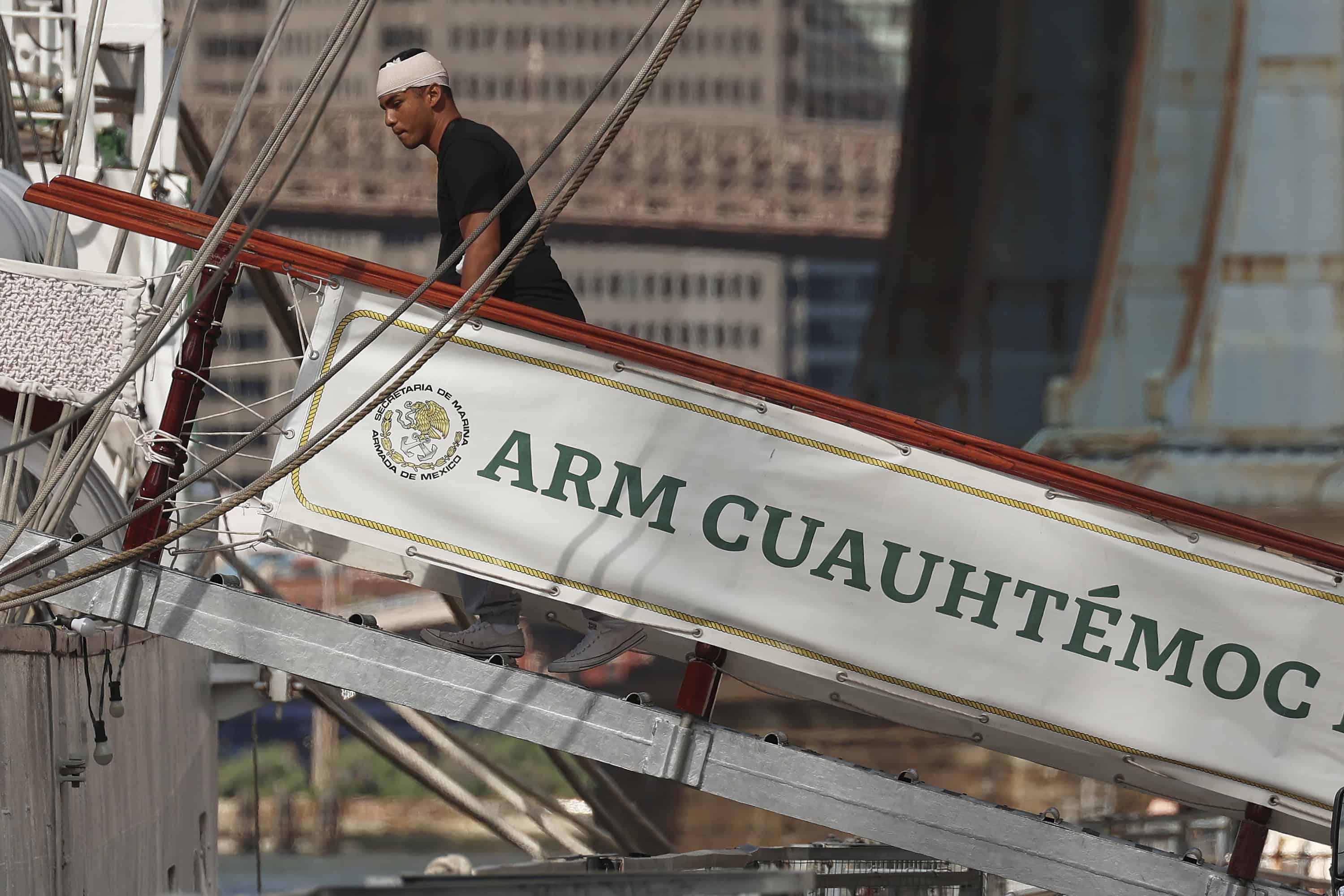
The official balance reported two deaths and twenty injuries, all members of the crew who complied with sailing protocols. “On traditional sailboats, the positions on the masts are normal during maneuvers,” clarified Mercogliano, denying speculation about negligence in the distribution of personnel.

Implications for nautical safety

This incident reactivates debates about:

  • Emergency protocols for propulsion failures in high traffic areas
  • Risk assessment in navigation with traditional sailboats
  • Coordination between port authorities and foreign vessels

Subsequent investigations should determine whether there were failures in the backup systems or in the communication protocols with local maritime traffic control. The Mexican Navy has announced its full cooperation with the US authorities for the complete technical assessment.

Do you want to know more expert analysis on maritime security? Share this article and follow our specialized coverage of historical nautical incidents. Explore our related content to understand the technical challenges of modern boating.











Somos México reserves 20% of candidates for activists

The new party will allocate a fifth of its spaces in Congress to seeking mothers and human rights defenders.

Nominations for activists

The leader of Somos México, Guadalupe Acosta Naranjo, announced that the party will allocate 20 percent of its candidacies to the Congress of the Union for seeking mothers and other social activists. None of the members of the National Executive Committee will hold a popularly elected position, he reiterated.

In the party’s first public event—approved by the INE on June 25—Acosta Naranjo pointed out that parties must serve society, not their bureaucracies.

“Somos México is going to reserve 20 percent of its majority and proportional representation candidacies so that searching mothers can come to the Chamber of Deputies, so that human rights defenders can come… representatives of farmers, transporters, fishermen, environmentalists, young people. They are not going to see us,” he stated.

Open selection process

Before hundreds of supporters at the Monument to the Revolution, the leader announced that a third of the candidates will be for those under 35 years of age. No candidate will be appointed by the leadership.

“None of us is going to be a candidate using the position that was given to us today for personal gain. I am not going to be a candidate for anything… When there are two or more candidates, we are going to put ballot boxes in public squares. The citizens will choose those who represent us,” he declared.

Acosta Naranjo warned that they will defend until the last moments the name, colors and emblem of the party, approved by the INE, despite the fact that the authority today asks to modify them. He argued that being called “Mexico” is valid, since there is the Green Ecologist Party of Mexico and before Fuerza por México.

On July 25, the first session of the National Council of Somos México will be held to define its country project.

Continue reading

Edomex reinforces health prevention in eight eastern municipalities

Eight municipalities in Edomex join a health prevention strategy with a focus on obesity and teenage pregnancy.

Expanded coordination in the Eastern Zone

The Government of the State of Mexico intensified its work with eight municipalities in the Eastern Zone to strengthen health prevention. The priorities: combat overweight, obesity and reduce teenage pregnancies. The strategy is part of the Comprehensive Plan for the Eastern Zone and the national preventive medicine policy.

At a working table, state, federal and municipal authorities agreed to advance in the integration of the Mexican Network of Municipalities for Health, as well as in the certification process of Health Promoting Municipalities.

The state Secretary of Health, Celina Castañeda de la Lanza, explained that the objective is to coordinate actions between the three levels of government. This includes measures against addictions, vector-borne diseases and the aforementioned problems of weight and early pregnancy.

The Network will allow municipalities to exchange experiences to address local needs. Daniel Aceves Villagrán, general director of Public Health Policies of the Government of Mexico, highlighted that the model incorporates care for people with disabilities and those living with chronic diseases, especially in areas of high population density.

Representatives from Nezahualcóyotl, Naucalpan, Chimalhuacán, Valle de Chalco, Ixtapaluca, Ecatepec, Texcoco and Chicoloapan participated. These municipalities began the procedures to obtain certification as Health Promoting Municipalities, which will expand preventive actions throughout the region.

Continue reading

Pemex cuts investment and production deviates from the goal

Pemex reduced its investment by 5.9% in the first quarter; crude oil production is moving away from the goal.

Pemex adjusted its spending again. The exploration and production subsidiary received a 5.9% cut in its investment capital during the first quarter compared to what was scheduled.

The approved budget was 86.7 billion pesos, but the company reported to the US Securities and Exchange Commission that it invested 81.6 billion. The difference directly affects the production platform.

Currently, Pemex extracts 1.6 million barrels per day, far from the goal of 1.8 million. Gonzalo Monroy, director of GMEC, warned:

“We are flying directly and non-stop at 1.2 million barrels per day in 2027, which means that once the water is discounted, we would be at a million extraction levels during the next year.”

Drilling rigs also decreased: from 32 to 25 between January and May, according to data from the consulting firm. So far this six-year term, 10 mixed contracts have been awarded, seven in a first block (fields such as Macavil and Tamaulipas) and three recently (Rabasa, San Ramón and Cinco Presidentes). Pemex plans to produce up to 450 thousand barrels per day with these contracts, but the developments would take place beyond 2033.

Oil vocation in question

Miriam Grunstein, an academic at the Mexico Center at Rice University, said that the situation is alarming in the short term. Pemex loses income from lower exports and from privileging feeding the National Refining System, instead of extracting more crude oil.

“Sheinbaum’s government is betting on renewable electricity generation projects. Meanwhile, the budget cut in crude oil extraction indicates that the country no longer has a conviction or vocation for oil,” he said.

Grunstein added that the difference in investment between renewable energy and exploration is enormous: “At some point we are going to face a very harsh reality. The abandonment of extraction has been so much that it is alarming.”

Agreement with Petrobras, but without teeth

The Mexican government signed a collaboration agreement with the Brazilian Petrobras to acquire extraction techniques in deep waters, where Pemex has minimal activity. It includes exchange of knowledge and best practices, but the pact is non-binding, valid for two years and renewable.

Both Monroy and Grunstein agreed that the agreement was weak. Moody’s, when lowering Mexico’s rating on May 20, expressed greater concern about government debt and support for Pemex. The agency estimated that the government provided support for 35 billion dollars in 2025, equivalent to 1.9% of GDP, and budgeted another 14 billion for 2026. An improvement in the rating will depend on reducing the deficit and contingent risks of the oil company.

Continue reading