New bombings in Iran
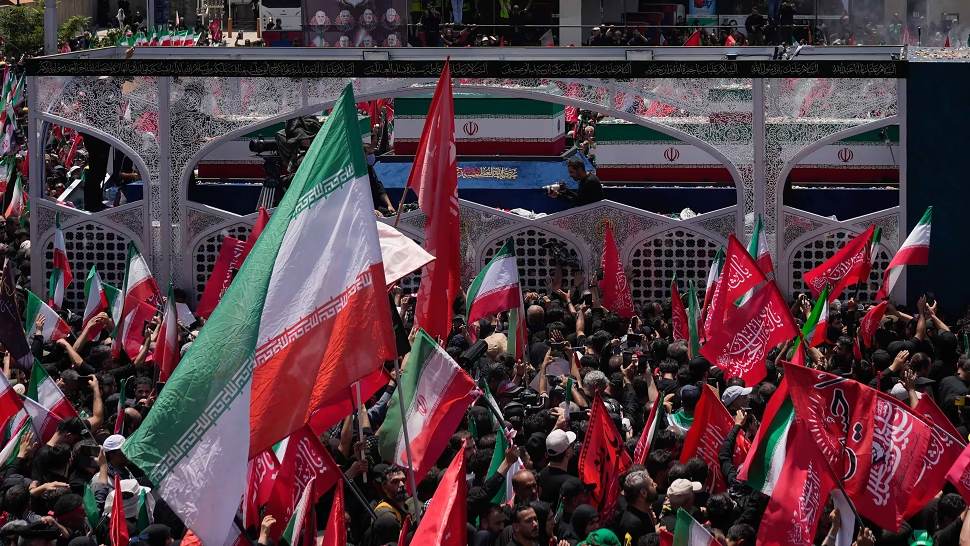
A series of airstrikes hit parts of southern Iran on Thursday, just as the country prepared to pay tribute to the late Supreme Leader Ayatollah Ali Khamenei. The explosions were recorded in the provinces of Bushehr and Sistan and Balochistan, as well as in the cities of Ahvaz and Chabahar.
So far, no country or group has claimed responsibility for these bombings. Hours earlier, the United States Central Command had reported the end of a military operation that impacted 90 strategic objectives, but avoided commenting on the new attacks.
Iran responded with a missile offensive against Bahrain, Jordan, Kuwait and Qatar. The anti-aircraft alarms were activated and the population sought refuge. Kuwaiti authorities reported at least one person injured, while defense systems intercepted projectiles at different points.
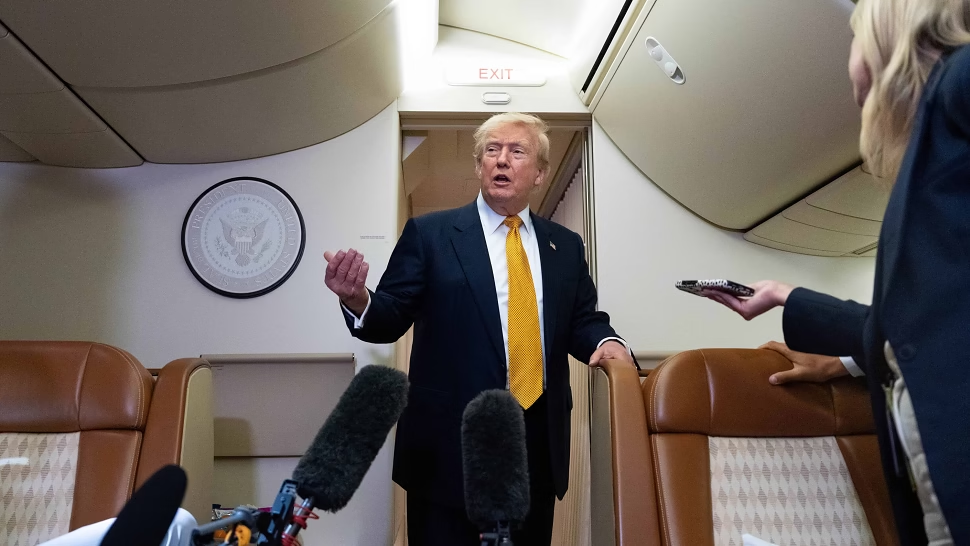
The escalation puts the fragile ceasefire between Washington and Tehran at risk. President Donald Trump reiterated that the military conflict had ended and that negotiations for a permanent agreement would continue.
Tension in the Strait of Hormuz
The situation keeps the countries of the Persian Gulf on alert through the Strait of Hormuz, a route through which nearly a fifth of the world’s oil and gas trade transits. Iran insists on exercising exclusive control and even proposes charging fees to vessels. The United States recommends an alternative route through Omani waters. Maritime traffic has decreased significantly in recent days.
Israel did not claim responsibility for the attacks, although Defense Minister Israel Katz warned that his country is prepared to act again if it deems necessary. From Tehran, legislator Esmail Kousari accused the United Arab Emirates of collaborating with the United States and assured:
“He will pay the price”
With crossed threats, attacks without a confirmed perpetrator and the dispute over the Strait of Hormuz, the Middle East faces a scenario of high tension despite diplomatic efforts.