Drone attack causes fire at Moscow refinery

An attack with Ukrainian drones caused a fire and the suspension of airports in Moscow.

A new attack with Ukrainian drones hit a major oil refinery in Moscow. The impact generated a large fire and a dense column of smoke visible from various points in the Russian capital.

Immediate effects

The incident forced emergency teams to be deployed to contain the flames and assess the damage to one of the most important energy facilities in the region. Additionally, several Moscow airports temporarily suspended operations, causing delays and cancellations of hundreds of flights.

RelatedUkraine hits Moscow refinery for second time in a week

Ukrainian strategy

The Ukrainian government has intensified its offensives against Russian oil infrastructure as part of a strategy to reduce energy revenues that finance Moscow’s war effort. This attack is considered one of the most significant with drones since the start of the war.

Macron reaches preliminary agreement between the US and Iran in Versailles

The French president orchestrated an unexpected diplomatic turn during the G7 summit.

The president of the United States, Donald Trump, was received by his French counterpart, Emmanuel Macron, and the first lady Brigitte Macron at the Palace of Versailles.

Macron obtained one of the most symbolic moments of his administration by attracting Trump to a dinner on that stage. There, a preliminary agreement was unexpectedly signed to end the conflict with Iran, within the framework of the G7 summit.

The event, presented as a celebration of the bilateral relationship, became a key stage in international politics. The pact includes a ceasefire, negotiations on the Iranian nuclear program and the reopening of the Strait of Hormuz.

During the summit, Macron also managed to get Trump to show stronger support for Ukraine in its war against Russia. This turn was relevant for European allies, after previous diplomatic tensions between Washington and kyiv.

European officials highlighted that, although Macron was not directly involved in the negotiations of the agreement with Iran, his diplomatic strategy and the use of symbolic spaces such as Versailles helped reinforce European influence on US decisions.

The G7 summit concluded with joint calls to increase military support for Ukraine and toughen sanctions against Russia. European leaders consider that the meeting marked progress in transatlantic coordination, despite previous differences with the US administration.

Continue reading

Trump and Macron sign preliminary agreement with Iran in Versailles

Macron convinces Trump to sign preliminary agreement with Iran during dinner in Versailles.

Dinner in Versailles seals an unexpected agreement

French President Emmanuel Macron achieved one of the most symbolic moments of his administration. During a dinner at the Palace of Versailles, his American counterpart Donald Trump signed a preliminary agreement to end the conflict with Iran. The signing occurred within the framework of the G7 summit.

The event was planned as a celebration of the bilateral relationship. However, it became a key stage of international politics. The agreement includes a ceasefire, negotiations on the Iranian nuclear program and the reopening of the Strait of Hormuz.

Additional support to Ukraine

Macron also got Trump to show stronger support for Ukraine in its war against Russia. The turn is relevant for European allies, after previous diplomatic tensions between Washington and kyiv.

European officials noted that Macron was not directly involved in the negotiations with Iran. However, his diplomatic strategy and the use of settings such as Versailles reinforced European influence on United States decisions.

The G7 summit concluded with joint calls to increase military support for Ukraine and toughen sanctions against Russia. European leaders consider that the meeting marked progress in transatlantic coordination, despite previous differences with the US administration.

The preliminary agreement with Iran not only represents a step in diplomatic relations, but also underlines the importance of international cooperation to resolve global conflicts.

Continue reading

The US conditions its military presence in Europe on greater allied spending

Pentagon conditions its presence in Europe on allies increasing military spending.

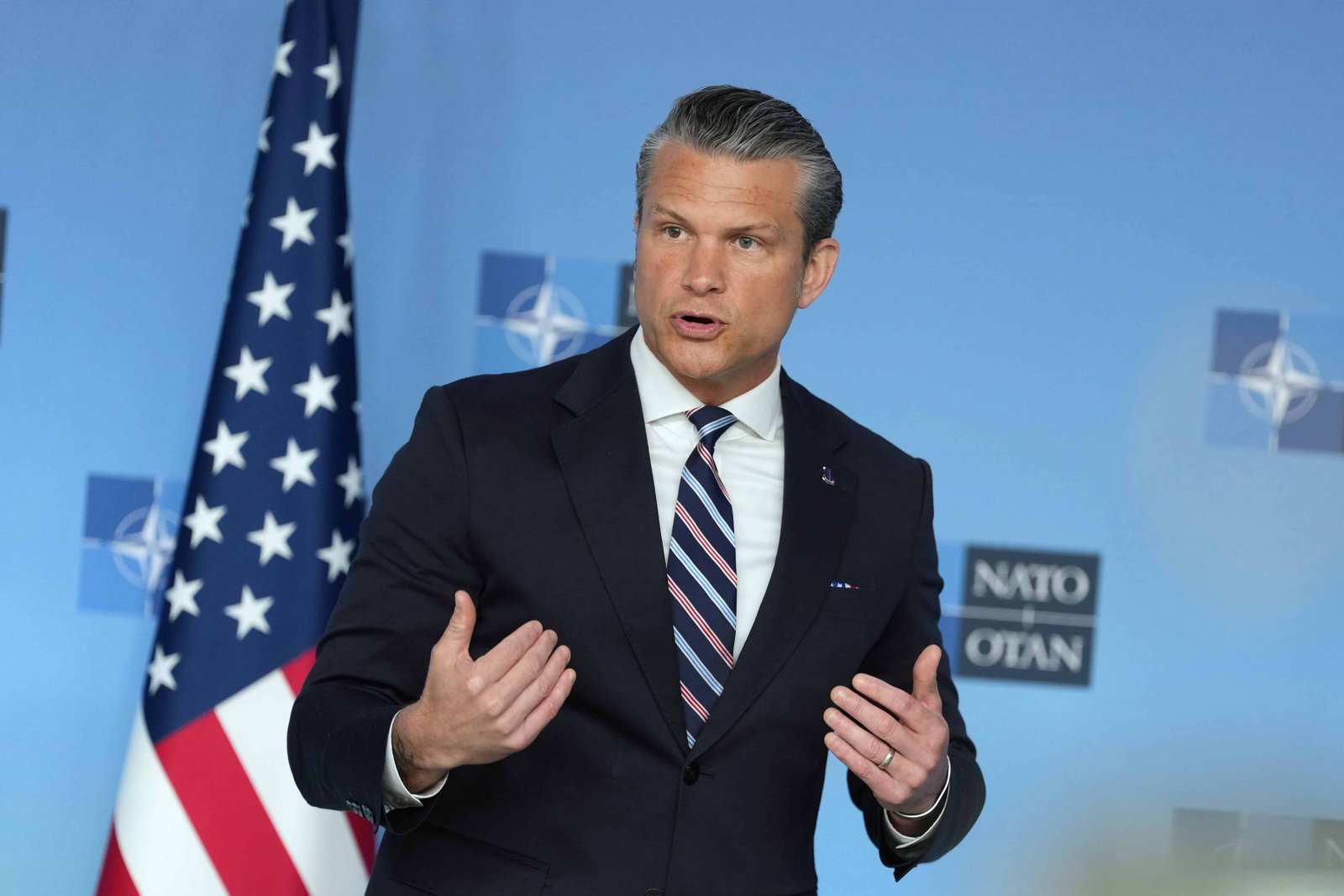
The Secretary of Defense of the United States, Pete Hegseth, issued a warning to NATO countries. He announced a six-month review of the US military presence in Europe, subject to allies making progress in taking over their own defense. The message generated uncertainty among Alliance partners, who face contradictory signals from Washington.

A call for European autonomy

During a meeting in Brussels, Hegseth said the review seeks to accelerate the transition towards European leadership in defense. He assured that the United States will reduce its participation if the allies do not increase their military capabilities. He also criticized access to military bases and questioned European policies on migration and gender equality.

The statements come amid inconsistent messaging from the U.S. government about its role in NATO. They include prior warnings that Washington could limit its military support in the event of an attack on a member country. This has forced allies to urgently rethink their defense strategy and spending.

NATO Response

Alliance leaders defended European advances in military investment. They noted that spending has increased significantly in recent years. Secretary General Mark Rutte stated that Europe and Canada have strengthened their capabilities, although he acknowledged that there are still gaps to fill.

The tension between Washington and its allies comes on the eve of an upcoming NATO summit in Türkiye. European military autonomy and the future of American commitment are expected to dominate the agenda, in a context of growing uncertainty about the cohesion of the Atlantic Alliance.

EE.UU. condiciona su presencia militar en...

Continue reading