


A Call to Protect the Pink Guardians of the Amazon
Imagine a flash of vibrant pink sailing through the murky waters of the majestic Amazon River. It is a vision that fills the heart with wonder and purity, a reminder of the magic that nature unfolds every day. This show is the dance of the pink dolphins of the Amazon, majestic beings that today stand not only as a symbol of beauty, but as brave sentinels that send us an urgent message about the health of our planet.
A passionate team of scientists and veterinarians, committed to conservation, immerse themselves in this mission with a heart full of hope and determination. Their work is meticulous, a ballet of precision and respect where every movement is dedicated to understanding and protecting these incredible aquatic mammals. Watching them work, with a net that encloses not only the dolphins but also a school of silver fish shining in the sun, is to witness the harmony between humans and nature.
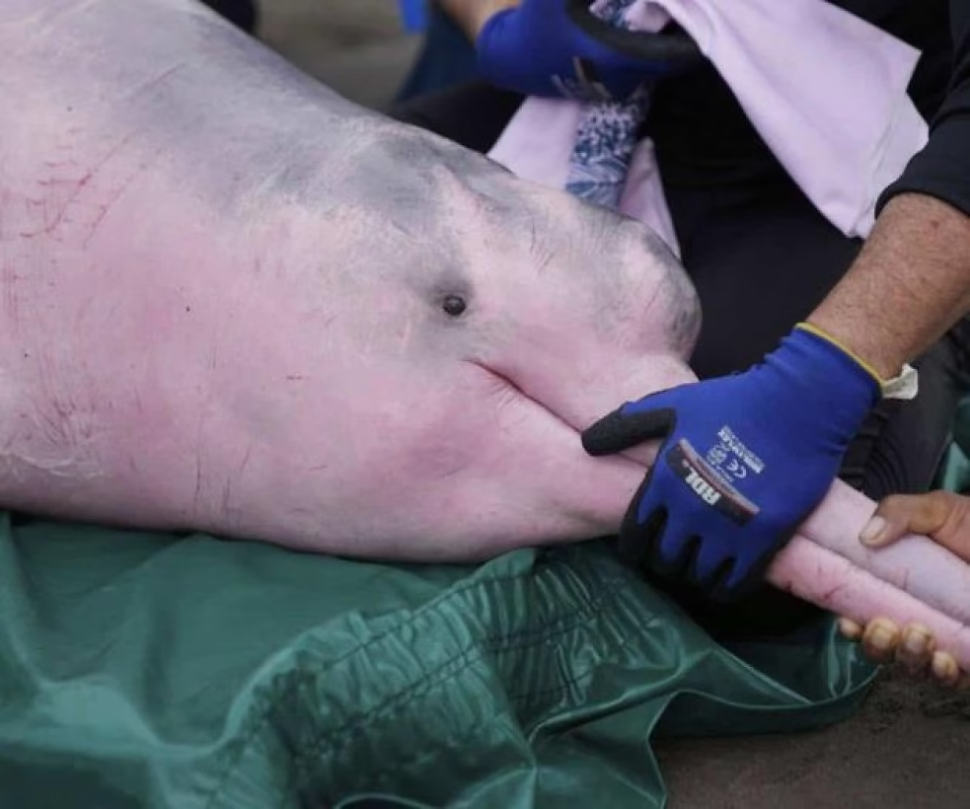
When you carefully lift one of these pink ambassadors onto a boat, you feel the life force of creation. Water trickles down its sides, a reminder of its natural elegance even in a moment of tension. The team, charged with a positive adrenaline that only comes from purpose, knows that every second counts. They have a 15-minute window, a brief but crucial period to conduct tests that can change the course of the species’ conservation.
The Connection that Calms and Transforms
The marine biologistFernando Trujillo, a true hero of biodiversity, kneels with exemplary tenderness next to the dolphin. Cover his eye gently, creating a space of peace. His hand on the animal is not just a gesture; It is a bridge of trust, a silent communication that says, “We are here to help you.” As he himself shares, it is the first time that many of these beings feel the palm of a human hand, a contact that seeks to calm and connect, transforming a moment of stress into an act of love and cooperation.
Each team member has a vital role: counting breaths, moistening the skin with sponges, performing medical tests. It is a symphony of coordinated efforts whose ultimate goal is to reveal the truth about the mercury that contaminates these river ecosystems. This toxic substance, an invisible enemy, makes its way through the food chain, affecting everything from the smallest fish to these magnificent predators that are indicators of the health of the river.
The Omacha Foundation, led by Trujillo, is a beacon of hope. Their work is not sporadic; It requires months of meticulous planning and the collaboration of experienced fishermen, local communities and experts. It is a powerful reminder that when we come together for a common cause, we can achieve extraordinary feats. Taking blood and tissue samples is more than a procedure; It is an act of listening to nature, which cries out to us to act.
Transforming the Threat into an Opportunity for Change
The root of this challenge is illegal gold mining, an activity that, driven by global demand, dumps mercury into rivers. This element is used to separate gold and is then discharged, polluting the waters and infiltrating the fish that both dolphins and indigenous populations consume. It is a toxic cycle that we can and must break. The good news is that awareness is growing. Nations such as Colombia and Brazil are intensifying their efforts, implementing bans and action plans aligned with international agreements such as the Minamata Convention.
The findings are alarming, but each piece of information is an opportunity to improve. The levels of mercury found in these dolphins exceed safe levels up to 30 times, a wake-up call that we cannot ignore. This element causes neurological damage, deterioration of organs and weakens immune systems, both in wildlife and in humans. Prenatal exposure is particularly critical, linked to developmental delays. But here’s the beauty: knowledge is power. Knowing this gives us the ability to act, to innovate, to find sustainable solutions that protect life.
Field work is a dance of bravery, led by people like José “Mariano” Rangel, whose charisma and experience are invaluable. Handling dolphins that can weigh up to 160 kilograms requires not only physical strength, but a deep emotional connection and respect for these creatures. Every ultrasound, every swab, every implanted microchip is a piece of a giant puzzle that brings us closer to understanding emerging diseases and antimicrobial resistance, thus protecting all species, including our own.
Populations of river dolphins have decreased dramatically, with a 52% drop in pink ones. They are officially in danger of extinction, also facing habitat loss and drought. But each issue is a story that can have a different ending if we commit. The work of Trujillo and his team, who even found extreme levels of mercury in their own blood, is a testament to absolute dedication. Its recovery to safer levels is a beacon of hope that proves that change is possible with awareness and action.
We are at a crucial moment, a turning point where our collective decisions will make a difference. As Trujillo said, we are one step away from critical danger, but also one step away from transformation. This is not a message of alarm, but of empowerment. Each of us has the power to be part of the solution: educating ourselves, supporting conservation organizations, choosing responsibly mined gold, and advocating for stricter policies.
Pink dolphins are not just one species; They are a living reminder of the interconnectedness of all living things. Their fight is our fight, and their preservation is a gift to future generations. Let us celebrate every advance, no matter how small, and turn this challenge into the greatest story of resilience and rebirth the Amazon has ever seen.
The time to act is now! Share this message of hope and awareness on your social networks to amplify this cause. Together, we can create a wave of positive change and ensure that the pink sparkle of the Amazon shines forever. Explore more inspiring content about how to protect our amazing planet.


