


Analysis of the Federal Electricity Subsidy
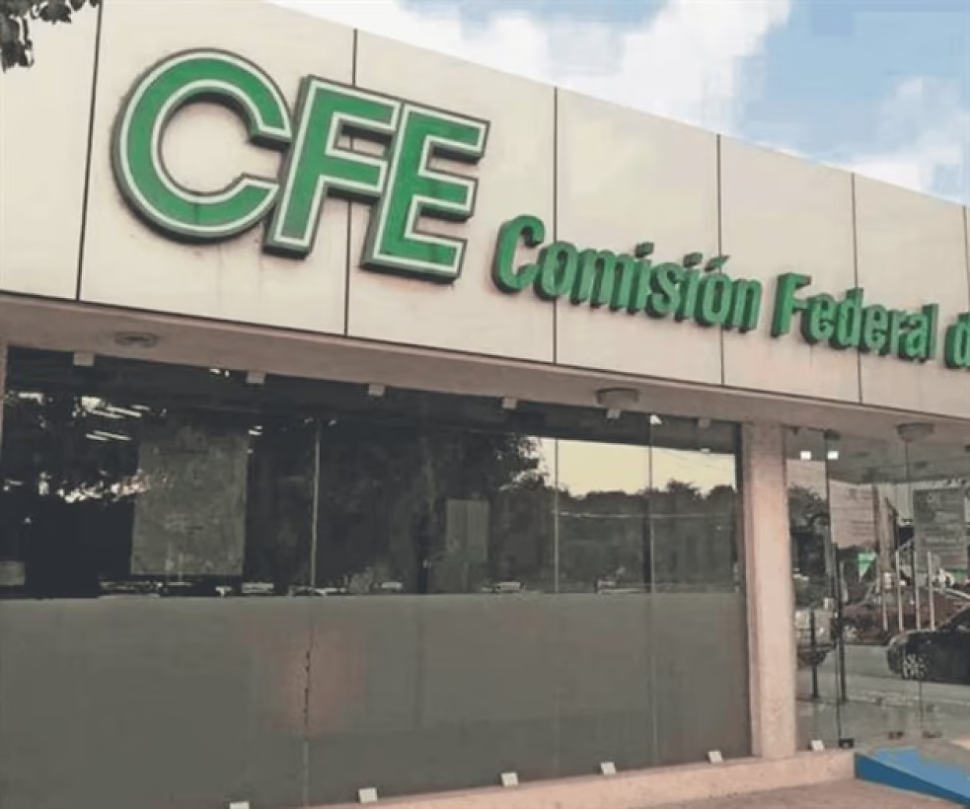
The Federal Electricity Commission (CFE) has executed a budget allocation of 84,805 million pesos in subsidies aimed at electricity rates during the current fiscal year. This figure, revealed by the general director Emilia Esther Calleja Alor during her appearance before the Chamber of Deputies, represents a substantial transfer intended to cushion the real cost of energy supply for Mexican consumers.
The tangible impact of this support policy is materialized in an average discount of 47% applied directly to the electricity bills of residential and commercial users. This amount budgeted for 2025 in terms of transfers and fiscal support demonstrates a growing and gradual trend in the federal government’s commitment to maintaining the economic accessibility of electric service. The financial strategy seeks to counteract global inflationary pressures that affect generation and distribution costs.
Tariff Stability and Consumer Protection Strategy
From the perspective of the current administration, this state subsidy constitutes a fundamental mechanism to guarantee electricity supply at the lowest possible cost. Director Calleja Alor emphasized that a continuous improvement plan has been established aimed at consolidating rate stability in the country. “The CFE is not transferring the impact of the increase in fossil fuels to the final rates,” said the official during her parliamentary intervention.
This commitment is aligned with the directive of President Claudia Sheinbaum, who has established as a state policy that the increase in electricity rates does not exceed national inflation, thus becoming a protective shield for the domestic economy of Mexican families. The implementation of these fiscal supports represents a key social policy tool that mitigates the effect of the increase in the cost of energy inputs in the international market.
Improvements in the Reliability of the National Electrical System
In parallel with the subsidy strategy, the CFE reports significant advances in the operational reliability of the electrical system. The technical data presented indicates a 7% reduction in service interruptions during the current year compared to the same period in 2024. This improvement translates into 3,247 fewer outages recorded in the national territory, a key performance indicator that directly impacts the quality of service.
The technical basis for this improvement lies in the sustained increase in the generation capacity and the strengthening of the operational reserve margin of the system. This margin, which represents the capacity available to respond to contingencies, has experienced substantial growth, going from 11% to 14% in emergency situations. This increase in the strategic reserve provides the national electricity system with greater resilience against fluctuations in demand or unforeseen failures in the infrastructure.
The combination of these strategies—direct fiscal support and strengthening of infrastructure—configures a comprehensive approach that addresses both the economic accessibility and technical quality of electric service. The results presented suggest management aimed at fulfilling the constitutional mandate of providing reliable and affordable energy, although structural challenges persist in the modernization of the distribution network and the incorporation of more efficient technologies.
Share this analysis on national energy policy on your social networks and explore more specialized content on infrastructure and the economy on our portal.


