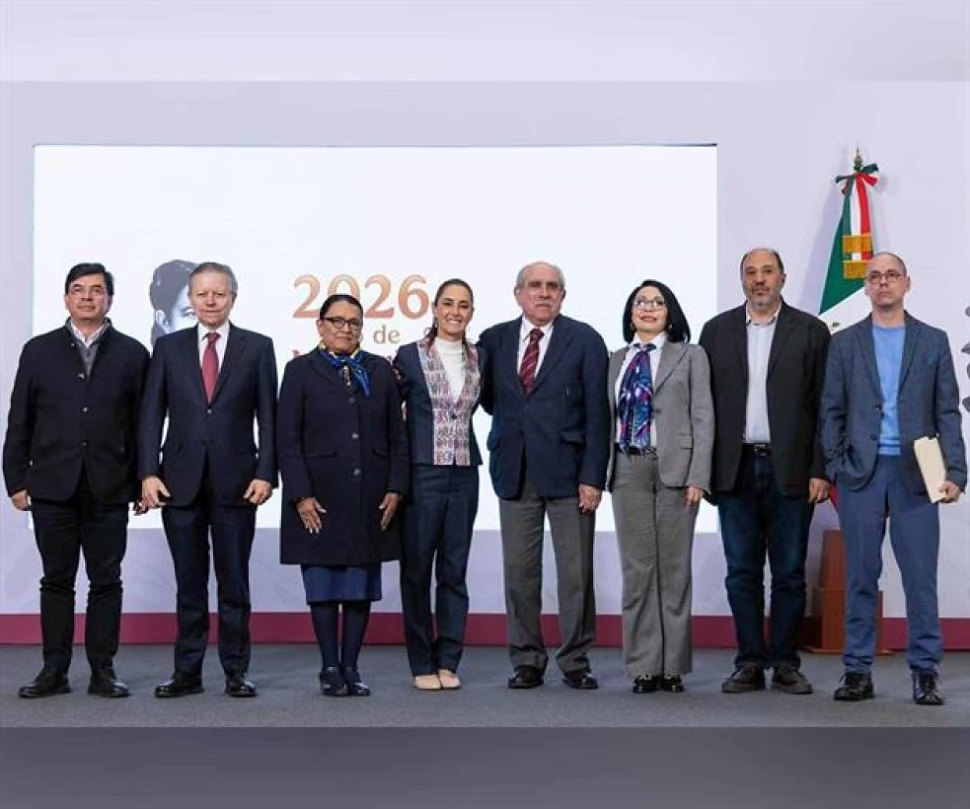
The big act: Sheinbaum takes the stage with his electoral reform
President Claudia Sheinbaum fulfilled the script. This Monday, March 2, his initiative for constitutional reform in electoral matters will reach Congress. It is not just any text. There are ten points that, according to her, respond directly to what “the people” ask for.
And she said it with that dramatic conviction that characterizes her: “I am obliged to send it.”
A decalogue that seeks to change the rules of the game
The list is overwhelming. He leads the elimination of the famous (and criticized) multi-member lists for Congress. This is followed by a 25% reduction in the cost of elections. It doesn’t stop there.
“It’s something very rational: whoever wants to be a deputy should go get their vote; whoever wants to be a senator should go get their vote,” Sheinbaum explained in ‘La Mañanera’.
The package includes greater oversight, voting abroad and even the regulation of artificial intelligence and the prohibition of bots in campaigns. It sounds like a change of era.
But the detail is where the devil lives. Rosa Icela Rodríguez, Secretary of the Interior, broke down the numbers. The Chamber of Deputies would maintain 500 members, but all by direct vote under specific formulas. The Senate would remain in 96 senatorial seats.
The big bet: participatory democracy and electronic voting
Perhaps the most revolutionary point is at the end. Mechanisms such as referendums, plebiscites and popular consultations are strengthened. And here comes the juicy part: the use of technologies, such as electronic voting, will be allowed in these instruments.
Sheinbaum painted it as a battle against privilege. “Whoever wants to maintain the privilege of the lists, then people are also going to point them out,” he warned. For her, this is not ending democracy, but quite the opposite.
“They are simple reforms, very rational but they respond to people’s demands,” he added.
Pablo Gómez, head of the Presidential Commission for Reform, gave numbers to support the process: 63 public hearings, more than 1,350 proposals received and 181 experts consulted. An impeccable staging.
Now, the drama moves to Congress. The initiative comes with the weight of a presidential promise and a powerful populist speech. The opposition is already warming up. The curtain opens for the next act: the legislative negotiation. And there we will see if this script goes from paper to reality.