Sheinbaum and the Great Consular Paraphernalia Purge
It seems that President Claudia Sheinbaum Pardo has decided to play musical chairs with the consulates of Mexico in the United States. The reason? An epidemic of acute diplomatic paraphernalitis that, apparently, prevented officials from doing their real job: defending their fellow citizens. Because, of course, in the minds of some consuls, their job was reduced to organizing cocktail parties and wearing expensive suits, not to dealing with mundane issues such as migrant rights.
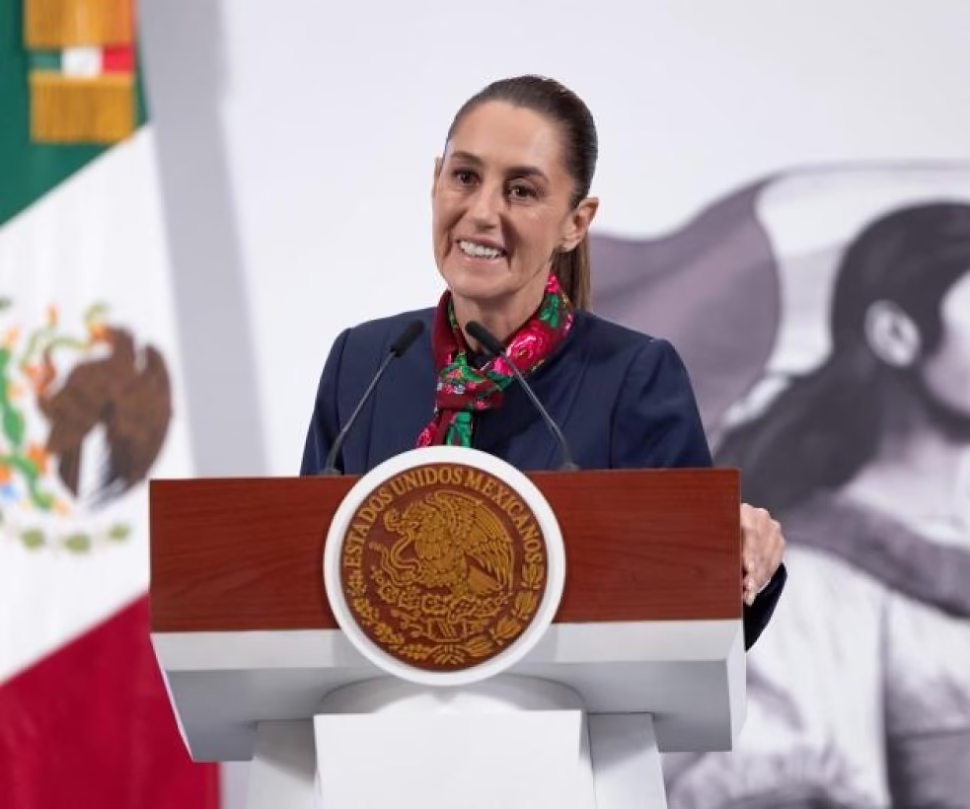
In a display of sincerity rarely seen in foreign policy, Sheinbaum dropped the bomb: many of these diplomats were more concerned with protocol and pomp than with the anti-immigrant policies of the Donald Trump administration. Imagine: in the middle of a humanitarian crisis, meeting a consul more interested in the folding of the napkin ring than in your deportation. A scenario so absurd that it almost hurts.
Sensitivity Reaches the Consulates (Finally)
The federal president, in her infinite wisdom, decided that enough was enough. Complaints from the countrymen rained down like confetti at one of those diplomatic parties that the dismissed consuls will miss so much. “We had complaints, and complaints, and complaints,” Sheinbaum confessed, as if describing the plot of a particularly dramatic soap opera. But, oh joy, there are fewer of them now. Could it be that the new officials have a built-in sensitivity chip?
The master plan was simple but revolutionary: replace lovers of paraphernalia with better profiles. People with capacity and, pay attention because this is crucial, sensitivity to people. A concept so novel that it almost seems like science fiction. Sheinbaum brought them together and asked them, within the framework of the law and respect for American policy, to do what they are supposed to do: defend Mexicans. What an idea.
One can’t help but wonder what kind of paraphernalia was so absorbing. Are we talking about obsessing over the quality of caviar at receptions? Or heated debates over the color of the carpets? The mind is lost in a sea of absurd possibilities. The truth is that, according to the official narrative, these consuls had completely forgotten that their work is a public service, not a popularity contest among the elite.
The context, of course, is the Trump administration and its anti-immigration measures. A historical moment in which consular strategy and protection of migrants were needed, not protocol expertise. Sheinbaum, with the determination of a school principal scolding unruly students, decided it was time to put things in order. Out with the label lovers, in with the heroes of consular assistance.
The question remains whether the new consuls will receive a special manual titled “How not to become obsessed with paraphernalia in 10 days” or whether they will simply have been warned that canapés are not a priority. The president assures that the situation has improved, although she admits that there are still some complaints. Perhaps the countrymen miss those consuls who organized the festivities so well. Or perhaps, and this is crazy, they prefer to be defended before the immigration authorities.
In any case, the message is clear: Mexican diplomacy is in a process of restructuring, at least as far as consulates are concerned. Goodbye to the old protocol guard, hello to the new era of effective defense. Sheinbaum, with this move, is not only changing personnel; He is sending a message about the type of foreign service he wants for Mexico. One where paraphernalia is relegated to the background, far from the consular protection that migrants deserve.
Will this be the end of the consuls who are more concerned about etiquette than people? Time will tell. Meanwhile, fellow citizens can rest a little easier, knowing that there is someone at the consulate who will hopefully remember that their job is to help them, not choose the wine for the next reception.
Did you like this gem of modern diplomacy? Don’t stay curious: share this article on your social networks and help spread the incredible priorities of our foreign service. And if you want more analysis on the most hilarious public policies, explore our related content. The paraphernalia will thank you… or not.