Geopolitical context of the proposal
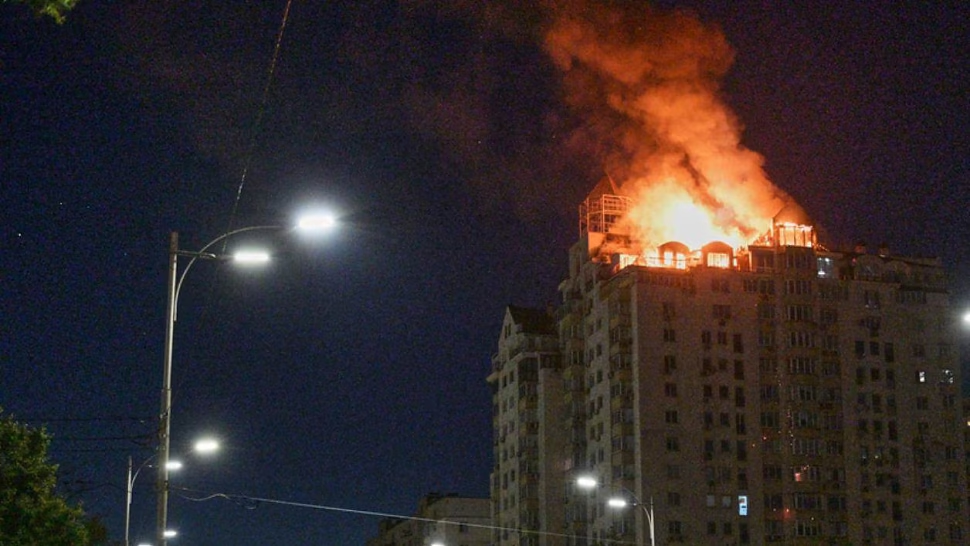
In a coordinated diplomatic move, Russia, China and Pakistan presented a draft resolution to the United Nations Security Council, demanding an immediate and unconditional ceasefire in the Middle East. This initiative comes after recent US attacks on Iranian nuclear facilities, events that have intensified regional tensions since June 13, when open conflict between Iran and Israel broke out.
Legal mechanisms and requirements
For the resolution to be adopted, at least nine affirmative votes are required among the 15 members of the Council, in addition to the abstention of the veto by the five permanent members: the United States, France, the United Kingdom, Russia and China. According to diplomatic sources consulted by Reuters, the circulated text explicitly condemns attacks on nuclear infrastructure without mentioning the United States or Israel, a strategic nuance that reflects complex negotiations behind the scenes.
Dynamics of the emergency meeting
The delegation of Guyana, which holds the rotating presidency of the Council in June, confirmed the urgent call for Sunday at 3:00 p.m. (New York time). This will be the third session dedicated to the conflict in less than ten days, evidencing the seriousness of the crisis. Iran, backed by Pakistan, Russia and China, formally requested the meeting in a letter that called the bombings “flagrant violations of international law.”
Positioning of powers
Previous analysis of similar votes suggests that the United States will probably exercise its right to veto, given its history of blocking resolutions that question its own or allied military actions. In contrast, during the previous two meetings, the rest of the members – except the US – advocated stopping hostilities. Pakistani Minister Ishaq Dar underlined tripartite support for the initiative on social media, pointing out an unusual alignment between actors with divergent interests in the region.
Strategic and nuclear implications
The attack on Iranian facilities represents a turning point in the conflict, as it directly involves sensitive infrastructure linked to Tehran’s nuclear program. Experts consulted warn that the escalation could destabilize the already fragile regional balance of power, especially if Iran chooses to reactivate activities prohibited by the JCPOA agreement. The proposed resolution seeks, in essence, to contain a crisis with the potential for global proliferation.
Reactions and forecasts
The Iranian Mission to the UN issued an unambiguous statement: it held Washington and Tel Aviv responsible for “serious consequences” for their actions. However, political analysts consider a direct military response from Iran unlikely, given the imbalance of forces. Instead, they anticipate an increase in proxy and cyber activities against Western interests.
Are you interested in understanding how this crisis affects energy geopolitics? Share this analysis on your networks and discover more content on global diplomacy in our specialized section.
Share this analysis on your social networks and stay informed on key developments in international politics. Explore more in-depth articles on our platform.