A goodbye that smells of conflict
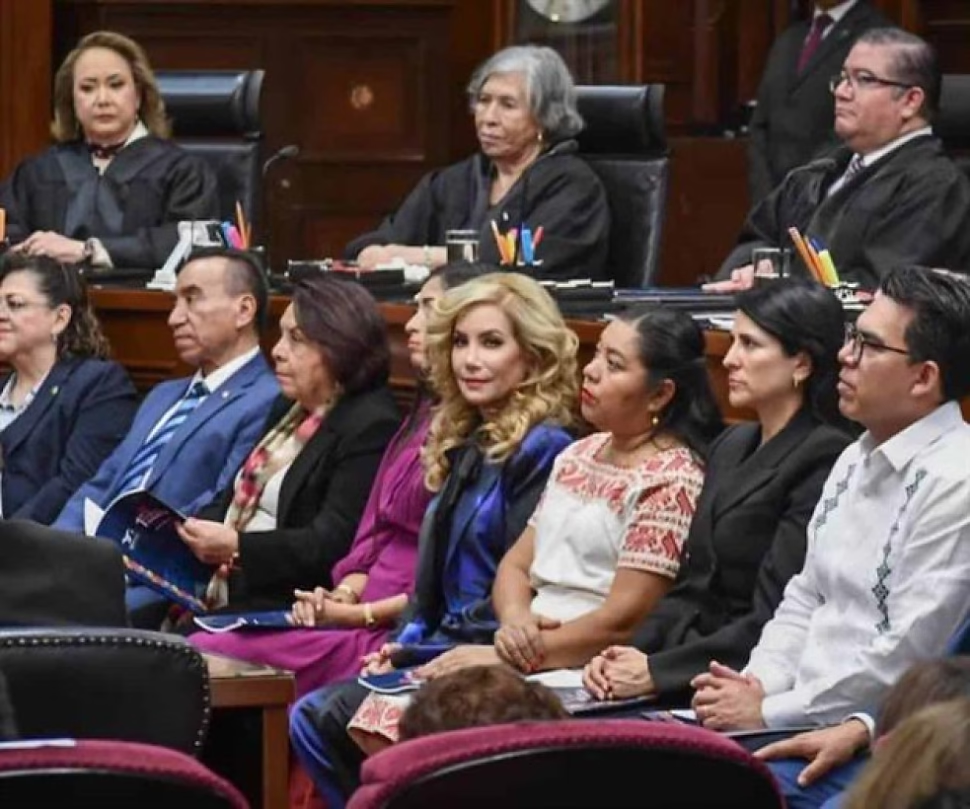
Lorena Josefina Pérez Romo presented her resignation to the Judicial Administration Body this January 6. Only four months in office and he leaves amid unconfirmed rumors of economic irregularities and clashes with Néstor Vargas, the head of the organization.
The funny thing is that nobody knows anything. Or so they say.
Both the president of the OAJ and the president of the Supreme Court, Hugo Aguilar, stated that they did not know the reasons for the resignation.
Sure. Because in the high echelons of power they are always so transparent.
The reform that changed everything
This is no coincidence. López Obrador’s judicial reform split the old Judicial Council in two. He took power away from the presidency of the Court and gave it to the OAJ to manage the money and appoint judges.
Now, with a vacant seat, the fight to fill it is actually a battle for real control of the Judiciary. Stability is conspicuous by its absence.
Sources close to the court say it clearly: private conflicts are already public debates in the full Court. Minister Lenia Batres, for example, ignored precedents by not incorporating the opinions of her colleagues into a project.
Consensus became a distant memory.
The new power board
Now everyone is looking to see who will occupy that hot seat. Two names sound:
- Greysi Muñoz, close to the president of the Court Hugo Aguilar.
- Natalia Téllez, anti-corruption magistrate seen as independent.
The choice will define the internal balance. More control for a group? Or a commitment to independence?
Meanwhile, official statements repeat the same broken record: they know nothing, there are no external pressures, everything is fine. The opacity of the process has the judicial community concerned, which hopes—perhaps naively—for a transparent selection.
But when power is at stake, transparency is often the first thing to go.