Return of the rescue teams and continuity of aid
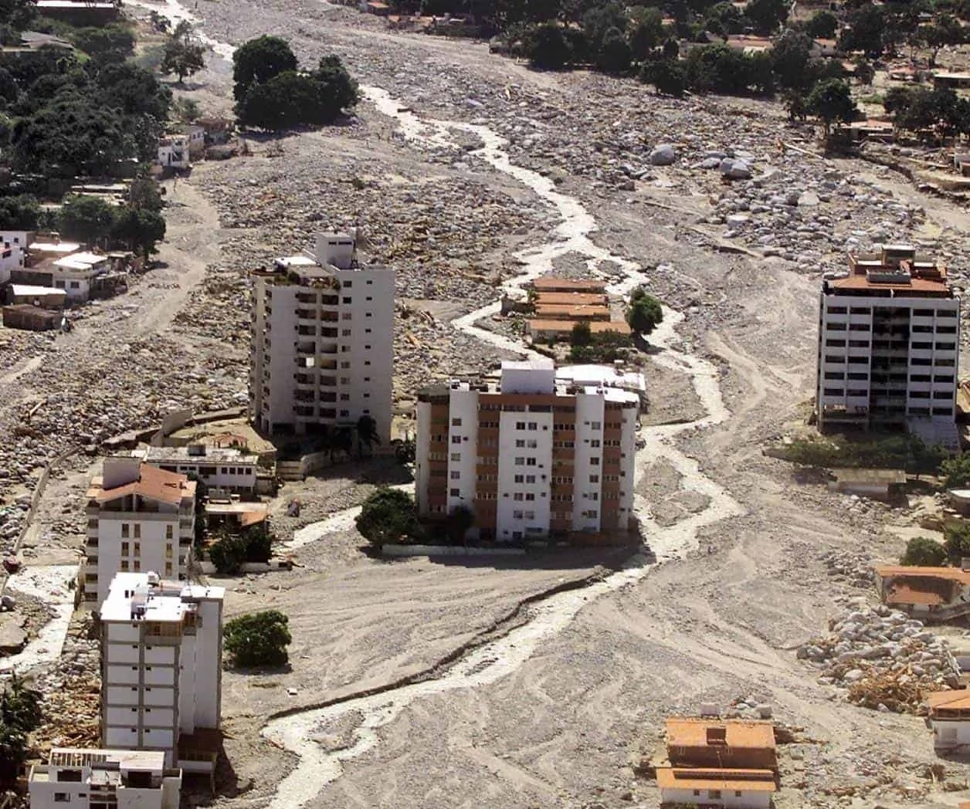
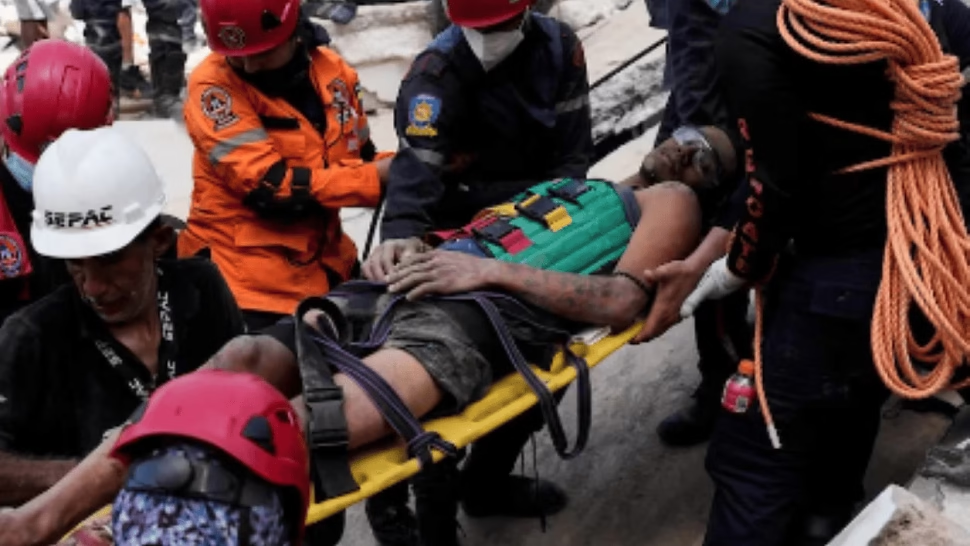
The teams of rescuers from Spain, Chile and Mexico began their return to their countries after completing the search tasks in the areas affected by the two earthquakes of magnitude 7.2 and 7.5 that shook northern Venezuela on June 24. The earthquakes, occurring just 39 seconds apart in what is described as a “seismic doublet,” caused hundreds of buildings to collapse, mainly in La Guaira and some areas of Caracas.
Venezuelan authorities and international organizations report thousands of deaths, tens of thousands of injuries and a still undetermined number of missing people. Property damage is estimated in the billions of dollars, with tens of thousands of structures affected.
In this transition scenario towards recovery, the firefighters of A Coruña (Spain) have already returned home. The Galician body broadcast images of the game and received thanks from the local population. The second Spanish contingent, which included the Immediate Disaster Response Team (ERICAM), arrived this Saturday in Madrid-Barajas, where it was received by Civil Protection authorities.
Chile coordinated the return of its rescuers aboard an Air Force Boeing 767. The same flight transports a second shipment of assistance: 35,000 doses of vaccines, medical supplies and food, managed by Senapred, the Ministry of Health and other entities, in collaboration with the private sector.
In Mexico, the “Los Topos” team received an emotional farewell at the Valencia airport, Carabobo state. Citizens and local authorities paid tribute to the Mexican rescuers for their professionalism.
Help that keeps coming
As the teams return, the help continues. Uruguay announced that a Hercules plane will depart in the next few hours with donations collected by the population, companies and the resident Venezuelan community. Spain donated a modular field hospital through the AECID, which will be installed this weekend in the Parque del Este in Caracas.
The United States will maintain a prolonged presence to support assistance and debris removal, especially in La Guaira, the most devastated area. American teams are also involved in repairing port infrastructure to facilitate the arrival of supplies.
In total, the international community mobilized more than 3,000 rescuers from dozens of countries, along with canine teams, vehicles and tons of supplies. The UN and the Red Cross have deployed field hospitals. Venezuelan authorities highlighted the value of this solidarity, but sources agree that the needs remain urgent: medical care, shelter, food, drinking water and safe debris removal.