Novavax: the “underdog” vaccine that could no longer be the eternal candidate
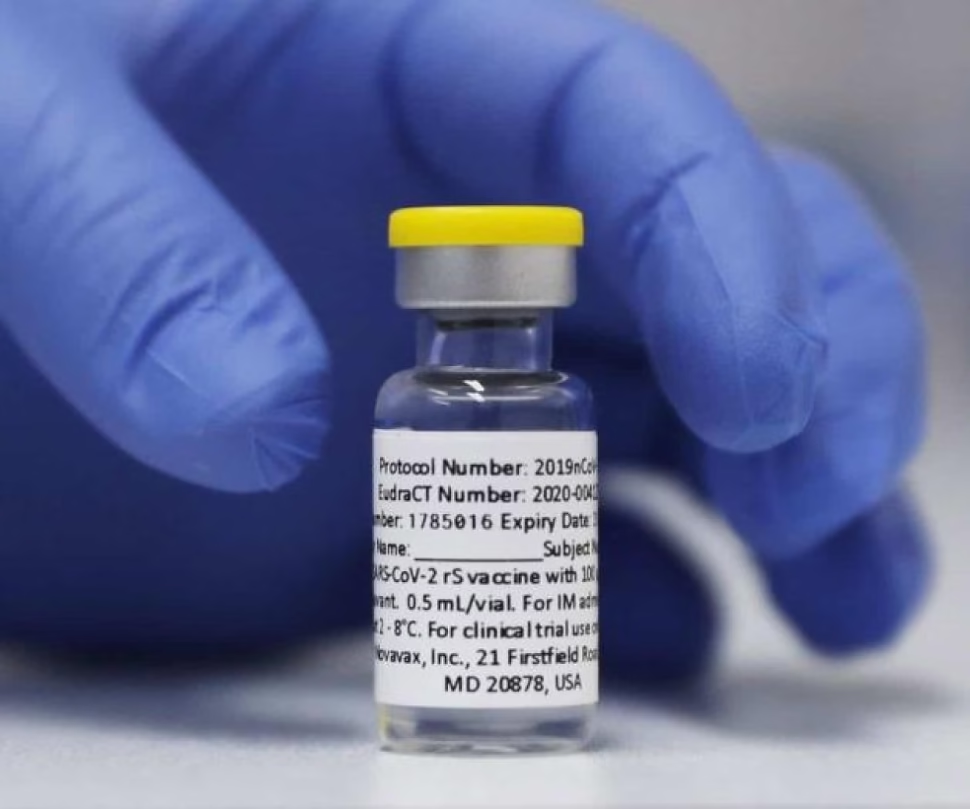
It seems that the Novavax vaccine against Covid-19, the one that we all look askance at as the quiet partner who ends up saving the group project, is about to receive its well-deserved “congratulations, you approved” from the FDA. Yes, the same one that has been in regulatory limbo for months while Pfizer and Moderna monopolized the spotlight (and side-effect memes).
The company announced this Wednesday that it is in “turbo mode” collaborating with the FDA to collect additional data and achieve the long-awaited full approval. The result? Its shares rose more than 21%, because nothing motivates investors more than the promise of a happy ending… or at least, an ending.
The political drama behind science
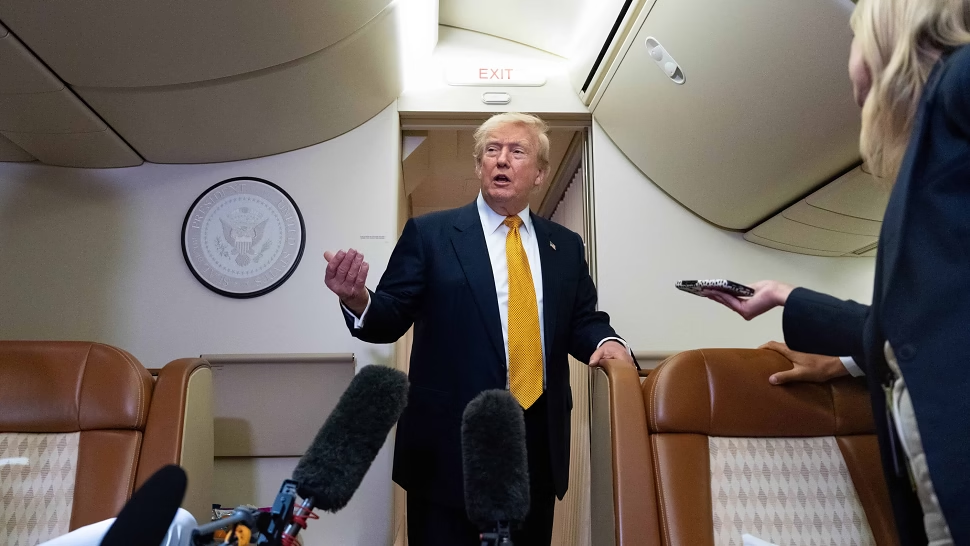
But like any good streaming series, there were plot twists: it turns out that FDA Acting Commissioner Sara Brenner put on hold the decision initially scheduled for April. Reason? Suspicions of interference by Robert F. Kennedy Jr., the new health secretary and former anti-vaccine guru who seems to have slipped into the government like that awkward family member at Christmas dinners.
The conflict reached the point that Peter Marks, the FDA’s vaccine chief and basically the “Mr. Miyagi” of immunizations, resigned over disagreements with Kennedy. Because of course, what better time to debate vaccine safety than in the middle of a pandemic?
Meanwhile, Novavax remains the only protein-based vaccine available in the US, a technology that sounds less futuristic than mRNA but has been protecting us for decades from evils like hepatitis B. It’s like comparing a Tesla with a Toyota: both take you to the same destination, but one has more hype on Twitter.
The curious thing is that, unlike its competitors, Novavax uses nanoparticles with synthetic copies of the spike protein, combined with an immune stimulant. Basically, the biotechnological equivalent of an energy “boost” before the gym. And although it does not generate as many headlines as the others, its full approval would allow it to remain on the market indefinitely, without depending on the health emergency.
The moral? In the race against Covid-19, sometimes the tortoise beats the hare… as long as politics does not trip it up.
Are you surprised that there is still debate about vaccines in 2025? Share this article and tag that friend who still believes that immunizations have microchips. Or better yet, explore more content about how science continues to save lives despite human dramas.