Measles resurfaces in Mexico with thousands of confirmed cases

The health alert extends: how to identify and avoid this virus that does not discriminate by zip code.

Measles in Mexico: when the virus decides to do domestic tourism

It seems that measles, that vintage disease that we thought was archived along with vinyl records, is experiencing its rebranding in Mexico. At least 18 states (yes, almost half the country) have reported cases, because the virus loves a good road trip. The health authorities, obviously, are more nervous than an unfiltered influencer. Here we tell you everything, from the symptoms to how to prevent this unwanted guest from settling in your body.

The numbers that don’t lie (and are a little scary)

According to the latest report from the Ministry of Health (which sounds like something out of The Walking Dead):

RelatedMeasles rebounds in Mexico with thousands of confirmed cases
  • 9 deaths: 8 in Chihuahua and 1 in Sonora, because the virus does not have geographical preferences.
  • 77 municipalities with confirmed cases, which is equivalent to more places affected than Bad Bunny songs at a party.
  • 3,095 cases in total*, because what would an epidemic be without dramatic statistics? (*Spoiler: Nuevo León reported an extra one after the cut, because measles loves plot twists).

Among the most affected states are Michoacán, Tamaulipas, Campeche, Guerrero, and others that you probably did not have in your epidemic outbreak bingo. To put it in continental perspective: Mexico “beats” the US and Canada in cases, but we all lose in this macabre competition.

Symptoms: because not everything is fever and spots

Measles isn’t just a photogenic rash for Instagram. It starts with a high fever (as if you had put on a jacket in the middle of summer), followed by a stuffy nose, cough, and red eyes that will make you look like the protagonist of a Korean drama. Then white spots appear on your cheeks (as if nature had applied a poorly made highlighter) and, finally, the famous exanthema: red rashes that start on the face and spread as if your body were an abstract canvas.

Complications include pneumonia, encephalitis, and other words you don’t want to hear in your diagnosis. Basically, measles is like that toxic friend who says “let’s just get coffee” and you end up in the hospital.

Prevention: because no one wants to be a trending topic for this

Here’s the good news: there is the MMR vaccine (measles, rubella, mumps), which you should have if you don’t want to relive the 50s. The first dose is at 12 months and the booster at 6 years. If you are a teenager or adult and you missed the memo, you can still get vaccinated with the SR version. By the way, treatment once infected is basically “suck it up and pray”: hydration, antibiotics if there are secondary infections and vitamin A (which reduces mortality, because even viruses hate nutrients).

How is it spread? By drops of saliva when coughing or sneezing, that is, just like gossip in a WhatsApp group. So now you know: if someone coughs nearby, run like you’ve been tagged in an embarrassing meme.

Moral: get vaccinated, because this season, the only virus that should circulate is K-pop.

Did these data surprise you? Share this information on your networks and help more people find out. And if you want more content that combines health with sarcasm, explore our other notes!

They capture someone involved in the kidnapping of a journalist in Veracruz

Family of the kidnapped journalist demands official information after the arrest of José N.

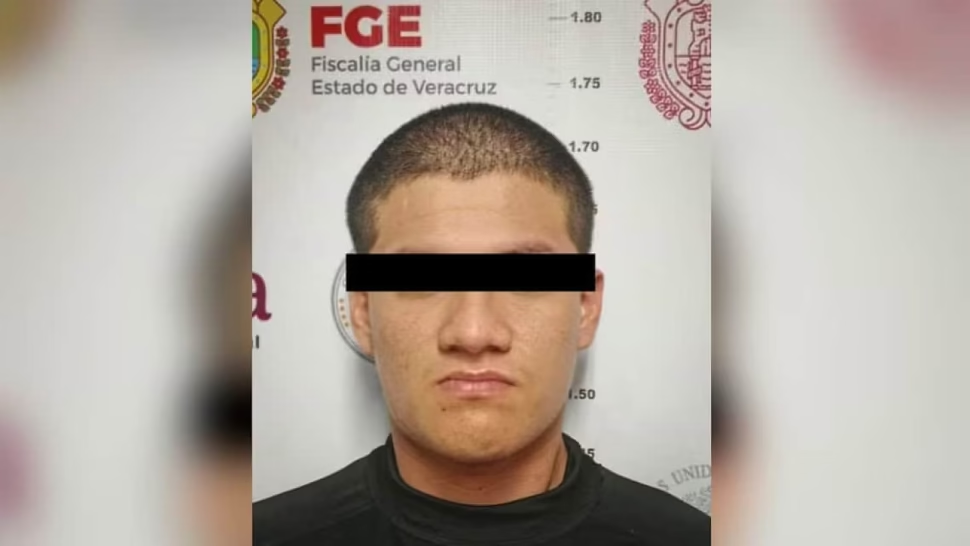
The Veracruz Prosecutor’s Office arrested José N, identified as one of the alleged perpetrators of the kidnapping of journalist Roxana Guzmán, founder of the medium Pulso Informativo del Sureste. The capture was confirmed this Tuesday, although the victim’s family assured that they have not yet received complete official information about the progress of the investigation.

The events of June 2

The attack occurred on June 2 in Nanchital, in the south of the state. An armed group broke into the Guzmán family home during the early hours of the morning. At least four men subdued the family members and also entered the journalist’s brother’s house.

Roxana’s mother, Rubicelia Ramírez, fully identified the detainee in a video released after the kidnapping. “He was at my house,” he declared.

Video that documented the attack

In a 35-second recording, the attackers are seen trying to force entry into a home while a person warns them that there are minors inside. The attackers managed to take Roxana Guzmán, as well as the family’s cell phones, and put her in a vehicle before fleeing.

Witnesses indicated that those responsible falsely stated that the victim would be transferred to a “command office.”

Reactions and expectations of justice

The arrest of José N represents progress in the investigation of the case, which has generated broad solidarity in the journalistic field and society. Roxana Guzmán’s family hopes that the necessary measures will be taken to guarantee the safety of all those involved and that justice will be done.

Continue reading

Volaris joins humanitarian airlift to Venezuela

The airline will transport personnel and 1.5 tons of supplies for earthquake victims.

Volaris activated its Avión Ayuda Volaris program to support the Venezuelan population after the earthquakes of June 24. The company coordinates two charter flights with the Salvadoran government.

The first flight, aboard an Airbus A320, departed on Thursday from the El Salvador International Airport to the El Libertador Air Base in Maracay. The second is scheduled for this Friday.

In total, about 141 people linked to support and logistics tasks will be transferred. In addition, 1.5 tons of humanitarian aid will be transported: medical supplies, rescue equipment, food and other essential goods for the affected communities.

The Ministry of the Interior and Territorial Development of El Salvador coordinates the logistics of the mission. This operation seeks to expedite assistance in the areas hardest hit by the earthquakes.

Continue reading

Calzada Ignacio Zaragoza partially closed due to police operation

Operation on Calzada Ignacio Zaragoza causes vehicular chaos in the east of the capital.

Operational in Calzada Ignacio Zaragoza

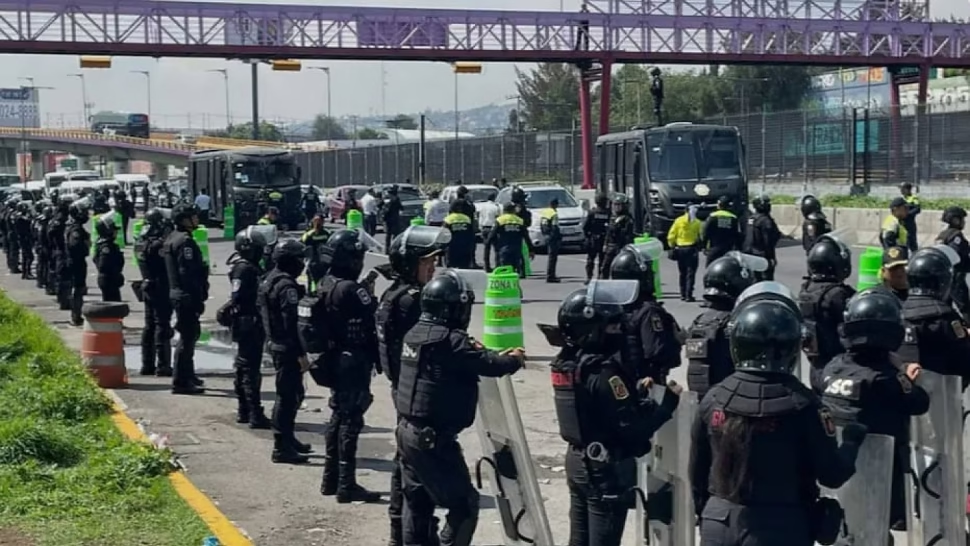
A deployment by the Secretariat of Citizen Security (SSC) this Friday caused the partial closure of Calzada Ignacio Zaragoza, near the Acatitla Metro station. The police mobilization was concentrated in the vicinity of the Concorde Bridge, where a control filter was installed.

The objective was to contain the advance of a group of protesters. The action generated severe traffic congestion in the eastern area of ​​Mexico City.

Impact on circulation

The eastbound lanes were the most affected. Long lines of vehicles and significant delays in normal traffic were reported. The authorities have not issued an official report on the number of participants or the duration of the operation.

Continue reading