Labubu’s rise in the collectible toy market
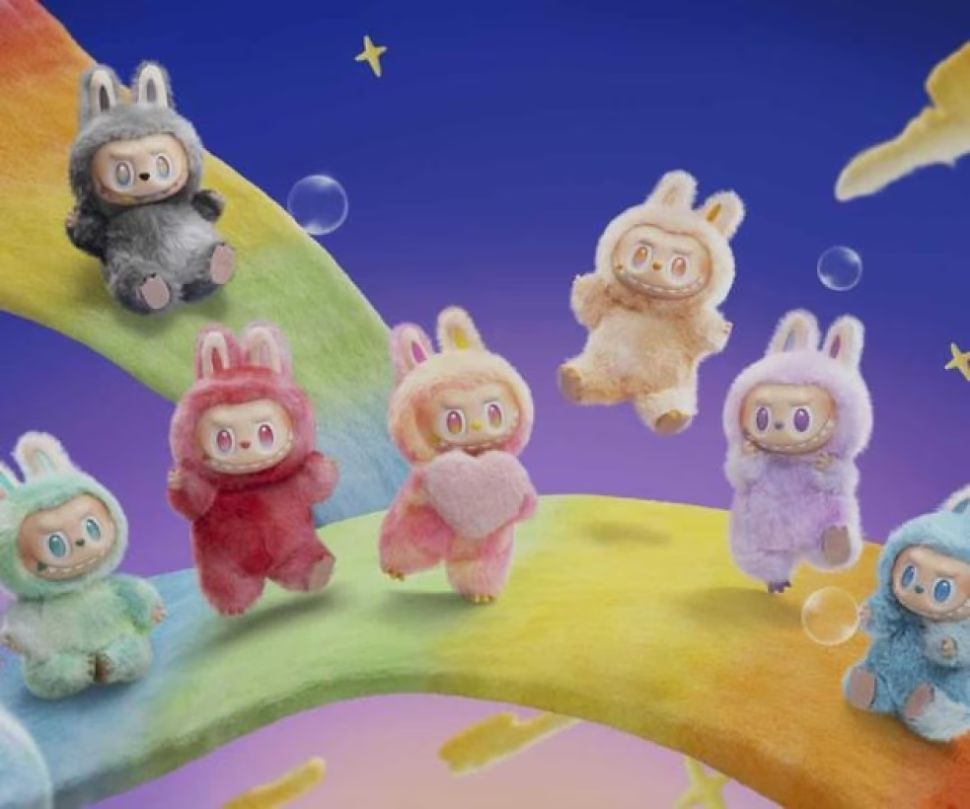
Labubu, the iconic stuffed animal created by artist Kasing Lung, has transcended its origin as a picture book character to become a global phenomenon. Initially designed in 2015 with inspiration from Norse mythology, its quirky aesthetic—pointy ears and sharp teeth—captured the attention of a niche of collectors before achieving mainstream success.
The strategic alliance with Pop Mart in 2019 marked a turning point. The company, specialized in merchandising for influencers and pop culture enthusiasts, promoted the marketing of figures and accessories. However, it was in 2023 when the launch of Labubu keychains triggered unprecedented viralization. Celebrities such as Rihanna, Kim Kardashian and K-pop star Lisa from BLACKPINK showcased their pieces on social media, generating more than 1.4 million posts under the hashtag #Labubu on TikTok.
From toy to style symbol
The fusion between fashion and collecting has been key in this phenomenon. Fans integrate stuffed animals as accessories in bags, backpacks and even car mirrors, as explained by Emily Brough, director of Pop Mart: “Labubu represents a cultural identity, not just a product.” This approach has diversified its audience: 48% of sales in 2024 corresponded to adults, mainly women aged 18 to 35, according to data from Circana.
Economic impact and logistical challenges
Commercial success is undeniable. In 2024, Pop Mart’s revenue grew by 1,200% in the plush category, reaching $1.81 billion. However, demand exceeded forecasts: inventory shortages and resellers multiplying prices up to 10 times are recurring problems. An incident in the United Kingdom forced physical sales to be temporarily suspended while the company implements new distribution systems.
To mitigate these challenges, Pop Mart announced the opening of 50 additional stores in the US and exclusive seasonal launches. Kena Flynn, a shopper in Los Angeles, reflects the frustration of many fans: “Affordability is key; it shouldn’t require luck or large sums to obtain a Labubu.”
Perspectives and sustainability
Analysts highlight that the surprise box model—where buyers do not know which version they receive—fuels engagement but also speculation. Pop Mart explores collaborations with artists and themed editions to stay relevant, although its dependence on Asian manufacturing exposes it to geopolitical fluctuations, such as trade tensions between China and the US.
Will you join the Labubu fever? Share your experience with this cultural phenomenon and discover more collecting trends on our networks. #Labubu #PopMart