Storm Byron hits a devastated Gaza
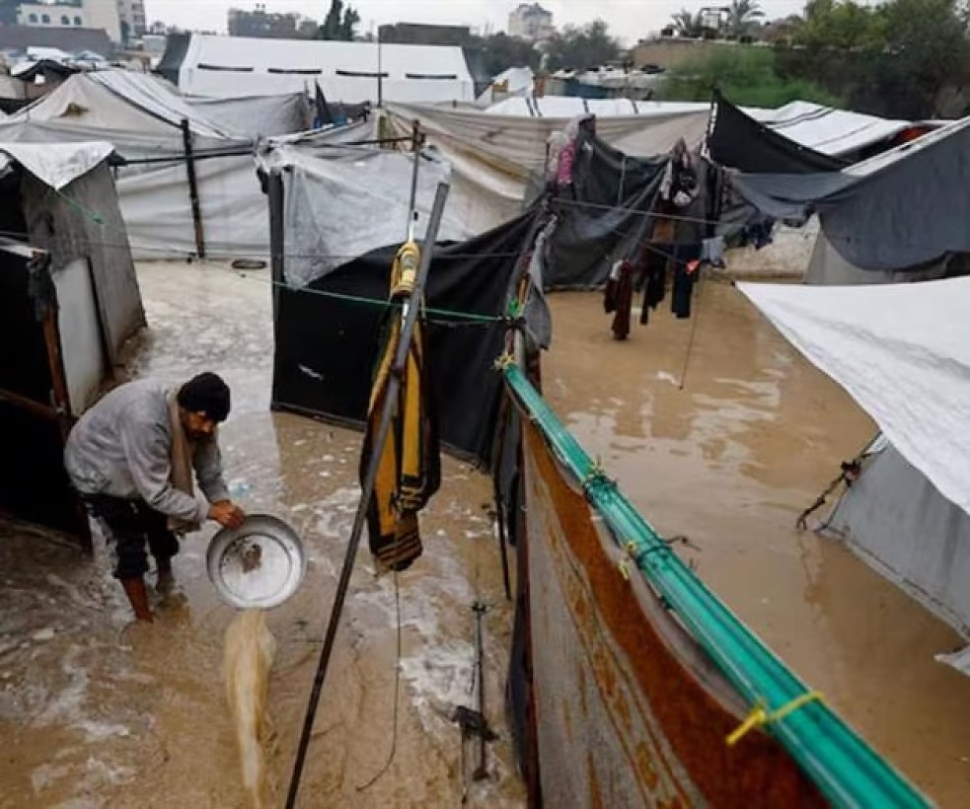
Storm Byron has severely impacted the Gaza Strip, a territory already deeply affected by years of conflict and blockade. This meteorological phenomenon has caused a tragic death toll of 14, including three minors, and has forced the displacement of thousands of people who now face extreme weather conditions without adequate shelter. The combination of torrential rains and high-intensity winds demolished at least 13 residential structures and destroyed more than 27,000 tents and tents, which constituted the precarious home for numerous families after the widespread destruction of permanent homes.
Collapsed infrastructure and limited rescue operations
Rescue and emergency teams, operating with very limited resources and chronically damaged infrastructure, faced enormous difficulties. The work to extract the survivors from the rubble lasted for hours, in a race against time where every minute was crucial. Entire families were trapped under the remains of their own homes and collapsed walls, evidencing the extreme vulnerability of the housing stock in the region. This event is not an isolated disaster, but a crisis multiplier that deepens a long-standing humanitarian emergency, where drainage, electricity and communications systems were already in a precarious state.
Aid coordination and a bleak outlook
Local authorities and aid organizations have begun coordinating efforts to distribute basic humanitarian aid—such as food, drinking water, blankets, and medical kits—to the displaced population. However, the magnitude of the damage and the extreme conditions of the terrain, with flooded streets and blocked accesses, significantly complicate the logistics and effectiveness of the response. The international community sees a bleak picture: thousands of families, who had already lost everything in previous conflicts, have seen their last temporary shelters destroyed, plunging them into an even more urgent need for protection and sustained support. Storm Byron highlights the interconnection between climate disasters and conflict contexts, creating a spiral of vulnerability where the population’s resilience capacity is at the limit.
Recovery, in this scenario, is not limited to physical reconstruction. It involves reestablishing a minimum of security and stability for a traumatized population, in an environment where the threat of new extreme climate events adds to pre-existing adversities. Immediate humanitarian assistance is vital, but so is long-term planning to build more resilient infrastructure and early warning systems, in a territory where exposure to natural and anthropic risks is constant.
Share this information to highlight the seriousness of the crisis in Gaza and explore more content on global humanitarian and climate challenges in our international news section.