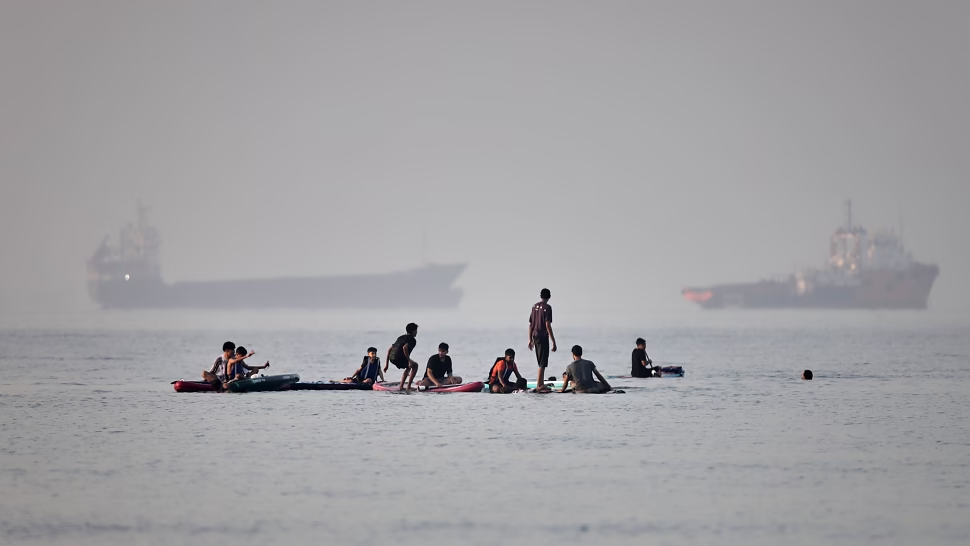
The shadow of the Persian Gulf reaches the pump
The numbers don’t lie. A barrel of oil exceeded $75 this week. A sudden, direct jump, driven by a single factor: fear. Fear that the conflict in Iran will strangle energy production and transportation.
And that fear already has a concrete price in the United States. Gasoline rose 11 cents all at once. The average gallon already costs $3.11.
Economists warn that the rise in fuel prices may impact transportation rates and prices of basic products.
Translation: what starts in a refinery ends up in your shopping cart.
An official optimism that collides with the reality of the market
Faced with this, the official voice sounds almost unconcerned. Donald Trump acknowledged the increase, but called it “temporary.” Their bet is clear: that calm returns to the Gulf and prices fall on their own.
But analysts, those who look at the charts and not the speeches, are more cautious. His warning is one word: time.
Experts consider that the duration of hostilities will be key to determining the extent of the economic impact.
If this drags on, forget about it being just a temporary scare. The bill will be longer and more expensive.
And here comes the most dangerous domino effect. This energy uncertainty puts the Federal Reserve in check. The possibility of an inflationary rebound could stop the expected interest rate cuts in their tracks.
What does that mean to you? More expensive credits. For mortgages, for cars, to expand a business. It is the slow fuse that can cool an entire economy.
We’ve seen this movie before. A distant conflict, a spike in crude oil, and months later families adjust the weekly budget. Geopolitics is not abstract. It is measured in liters of fuel and purchasing power.