Detailed analysis of the CH-53E Super Stallion accident
A comprehensive investigative report into the US Marine Corps CH-53E Super Stallion helicopter crash has shed light on the circumstances that led to this tragedy. The incident, which occurred on February 6, 2024 during a night training flight, resulted in the loss of five military personnel lives when the aircraft impacted a mountain formation near Pine Valley, California.
Determining factors in the accident
The investigation, obtained by The Associated Press, identifies multiple concurrent elements that contributed to the fatal outcome. Human error emerges as the main cause, specifically in the navigation decisions made by the pilot during the critical phase of the flight. However, the analysis delves into contextual conditions that aggravated the situation:
- Technological limitations: The use of night vision goggles (NVG) reduced depth and contrast perception in complex mountainous terrain.
- Environmental factors: Adverse weather conditions with low cloud cover and reduced visibility created a high-risk operational scenario.
- Questionable protocols: The selected flight route presented topographic elevations not sufficiently considered in the previous planning.
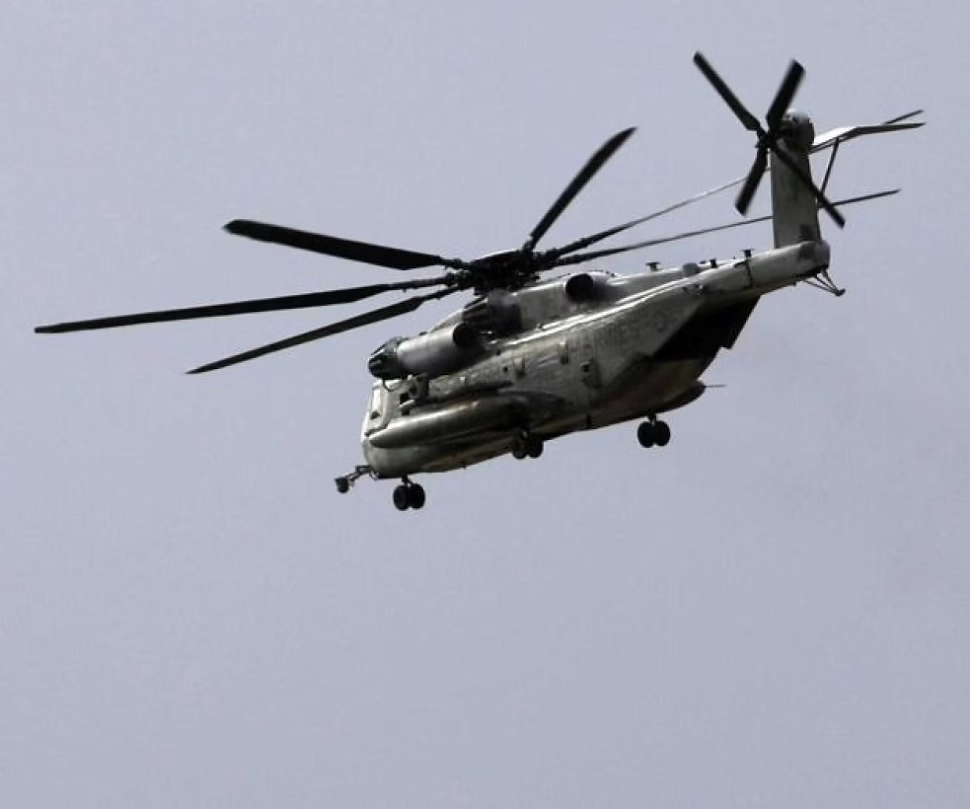
The CH-53E, known as Super Stallion, is the heaviest and most powerful helicopter in the US Navy inventory, designed for heavy transport operations in extreme conditions. This technical profile makes the analysis of its security protocols particularly relevant.
Operational context and institutional lessons
The accident occurred during a routine exercise of the 3rd Air Wing of the Marine Corps based in Miramar, a detachment with extensive experience in night operations. Military aviation experts consulted emphasize that this case shows the need to:
- Upgrade navigation systems for mountain environments with real-time 3D mapping technology
- Reinforce simulated training with virtual reality for low visibility scenarios
- Review the meteorological thresholds for authorization of flights with NVG
Historical data reveal that between 2014-2024, accidents due to flight with night vision represent 18% of military air accidents in the United States, according to the Naval Aviation Safety Center.
Institutional repercussions and improvements implemented
As a direct consequence of this investigation, the Marine Corps has initiated a complete review of its night flight protocols. Among the measures already implemented, the following stand out:
- Third generation NVG acquisition with greater field of view and integrated thermal sensors
- Modification of preventive maintenance routines for ground proximity warning systems
- Intensive training programs in decision making under operational stress
This multidimensional approach seeks to balance operational requirements with the highest safety standards, particularly in training scenarios where, paradoxically, 62% of accidents occur according to Pentagon data.
Interested in more analysis on military aviation security? Share this article and explore our special on technology applied to combat aviation.