From Palm Sunday to Easter: what is commemorated each day
Holy Week 2026 in Mexico, as in much of the world, is the central celebration of the year for millions of people. The life, crucifixion and death of Jesus Christ are remembered. But what exactly does each of those days mean?
Palm Sunday marks the beginning. It commemorates the triumphal entry of Jesus into Jerusalem, where he was welcomed with palms. Those palms blessed today have a curious fate: they are burned and their ashes are used the following year.
Holy Monday remembers the anointing of Jesus in Bethany, in the house of Lazarus. A gesture that the gospels interpret as a symbolic anticipation of what was to come.
Holy Tuesday, or Controversy Tuesday, is the day of intense debates. Jesus argues with the religious leaders and announces to his disciples the coming betrayal.
“Jesus anticipates to his disciples the betrayal of Judas and the three denials of Saint Peter.”
Holy Wednesday closes Lent and begins the Easter Triduum. It is the Day of Betrayal, when Judas agrees to hand over Jesus for thirty coins.
Holy Thursday is profound: the Eucharist is instituted at the Last Supper and the washing of feet takes place. It is also the night of agony in Gethsemane, before the arrest.
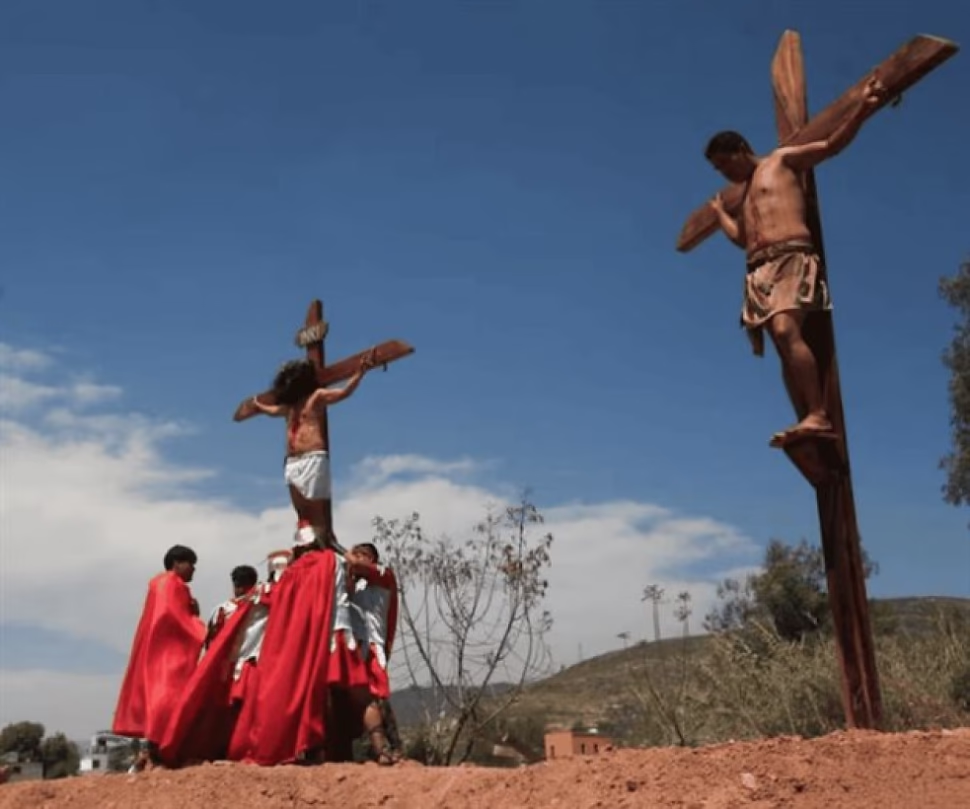
Good Friday is the most solemn day. There is no mass, but a special liturgy at three in the afternoon, the traditional time of death on the cross. It is a day officially dedicated to mourning and silence.
Holy Saturday, previously called Saturday of Glory, now has a serious and silent character. The time between death and resurrection is commemorated. Churches do not ring bells.
Finally, Resurrection Sunday or Easter. The maximum celebration. The triumph over what seems definitive. The very foundation for those who believe.