Unionist teachers in the Chamber of Deputies: A detailed analysis
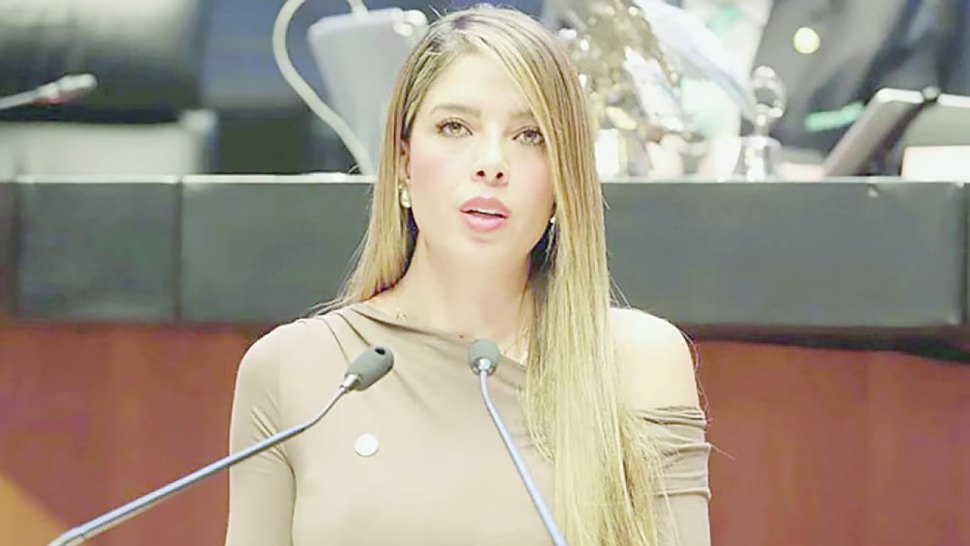
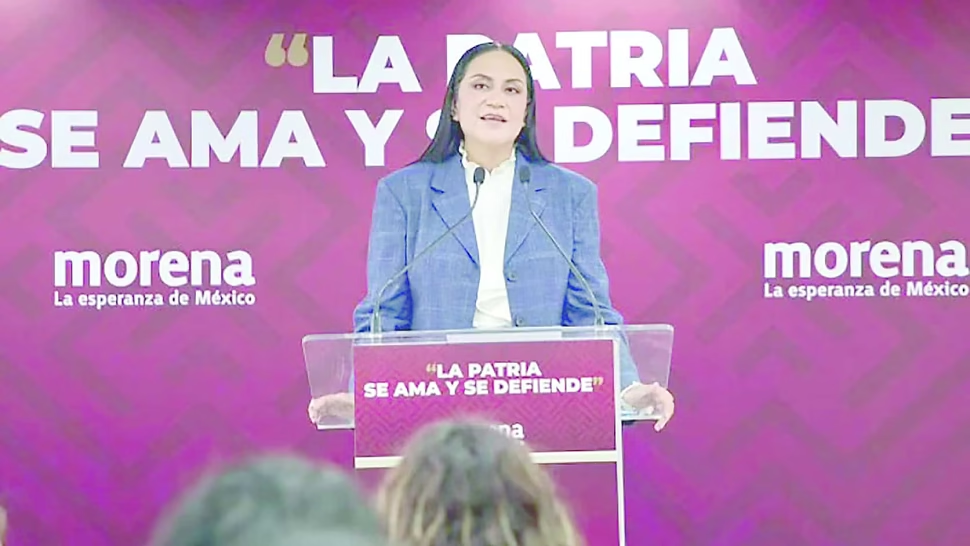
A relevant political phenomenon is developing in the Chamber of Deputies of Mexico: at least a dozen teachers with experience in teaching organizations, such as the National Union of Education Workers (SNTE) and the National Coordinator of Education Workers (CNTE), have acceded to seats under the Morena bench. This move reflects a deliberate strategy to bring the demands of the education sector to the heart of the legislative branch.
Profiles and key proposals
The legislators come from states with a strong teaching tradition, such as Oaxaca, Chiapas, Michoacán and Veracruz. Among its initiatives are:
- Pension reforms: They propose basing amounts on the minimum wage, not on Units of Measurement and Update (UMAS).
- Reduction of administrative burden: They seek to alleviate bureaucratic tasks that distract from pedagogical work.
- Gender equity: They include proposals for parity in unions and protection of minors in schools.
Emblematic cases:
Blanca Araceli Narro (Tamaulipas), former general secretary of the SNTE, promotes discounts on books for teachers. Bertha Osorio (Veracruz), linked to independent unionism, focuses her efforts on updating pensions. Sonia Rincón (Chiapas), with a past in the PRI and PANAL, promotes symbolic recognition of the teaching profession.
Controversies and challenges
The path has not been without controversy. Aciel Sibaja (Oaxaca), former Secretary of Finance of the CNTE, faced charges of money laundering in 2016, although he was released due to procedural failures. Zenyazen Escobar (Veracruz), former state Secretary of Education, was accused by the CNTE of using the movement for personal purposes.
This analysis reveals a pattern: the majority of the initiatives presented replicate historical demands of teachers’ organizations, which suggests a continuity of union agendas in the legislative sphere. However, doubts persist about its ability to reconcile union interests with public policies of national scope.
What’s next? The real impact of these proposals will depend on their technical feasibility and political support within Morena. Meanwhile, these legislators face the challenge of demonstrating that their transition from the classroom to Congress benefits not only the teaching profession, but the educational system as a whole.
Explore more about how teaching experience is shaping educational policy in Mexico. Share this analysis on your social networks and join the conversation.