Calm waters, according to the statement
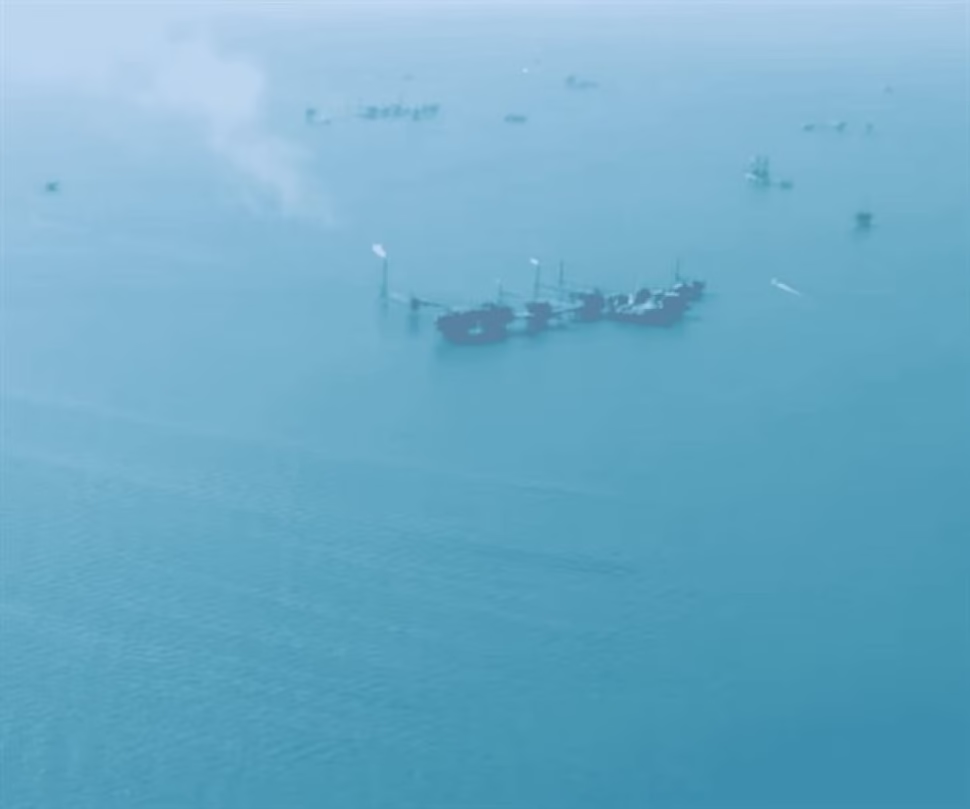
The Mexican Navy Secretariat has just released a bulletin that is a masterpiece of bureaucratic tranquility. After an air patrol between Veracruz and Tabasco, their conclusion is forceful: “no hydrocarbon stains were identified”. Nothing. Zero. Crystal clear waters.
The problem, of course, is that the world outside the press release seems terribly uncoordinated. Since the beginning of March, the beaches of the Veracruz coast have dawned with black and sticky gifts. Even at the Olmeca refinery, Tabasco’s energy pride, they have admitted at least three crude leaks.
But the Navy insists. These surveillance tasks are “permanent”, they say. They are part of its noble mission to protect the marine environment. And they promise to continue supervising, in coordination with all levels of government, to address “any eventuality”.
The reality that does get stained
This is where the irony becomes as thick as tar. Just one day before the optimistic reconnaissance flight, Greenpeace and the Gulf of Mexico Reef Corridor Network released their own data.
They reported that the spill extends along 630 kilometers of coastline, reaching Tuxpan and Tamiahua, north of Veracruz.
That is, practically the entire Southwest Gulf Reef Corridor is in the affected area. Their statement did not mince words: they directly questioned the authorities that declare clean beaches and Pemex, which speaks of 85% progress in cleaning.
The evidence from coastal communities paints a different story. A very different one from the view from the military plane.
This is how we are. A government that sees a pristine sea from the air and organizations that document an environmental catastrophe from the shore. Someone is definitely not looking in the same place.



 In addition to promoting recreation and sports, the activity represents an important economic benefit for service providers, local businesses and entrepreneurs, who benefit from the arrival of visitors during the development of the event.