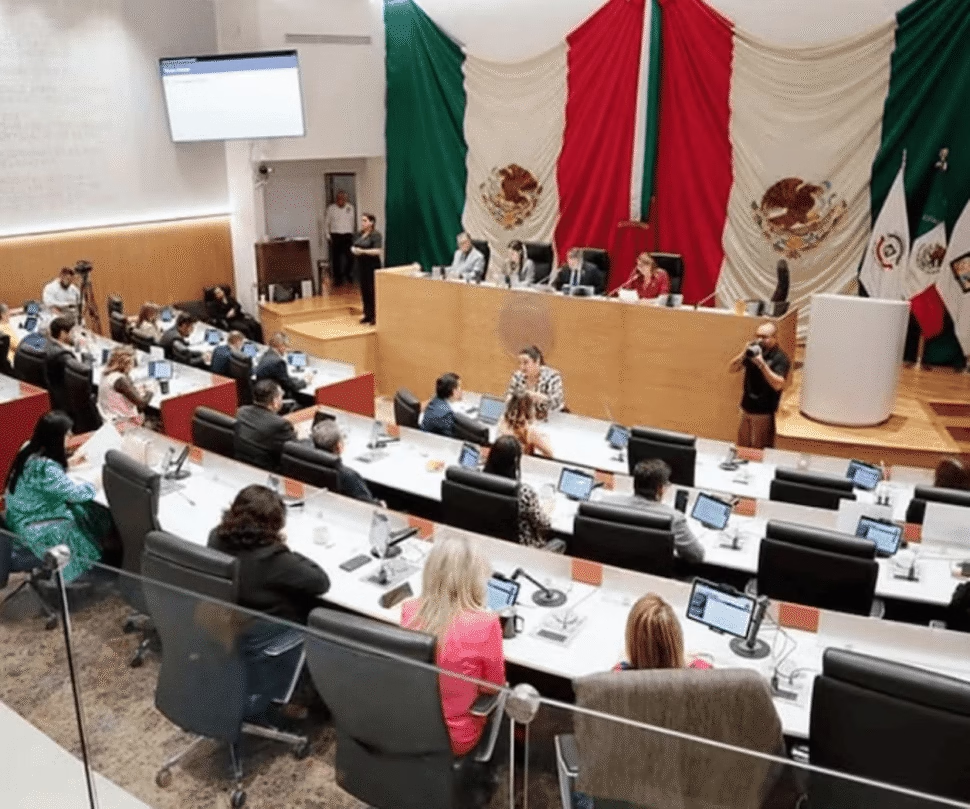
The Congress of Sonora gave the green light to a key law against disappearances, but the process left more doubts than certainties.
The thing was like this: the initiative arrived, was debated and approved in the same session. It wasn’t even on the agenda for the day. The majority described it as an “urgent resolution” to avoid a judicial sanction that had been in place since March.
“Eight years of fighting not to comply and now they want to do it in less than three hours,” said deputy Gabriela Félix Bojórquez, visibly upset.
The big problem is in the biometric data. The law includes them to search for people, but does not say how they will be stored, who will use them or for how long. The opposition asked that the issue be studied in commissions. They told him no.
Félix Bojórquez went further: he warned that, although the intention is good—to address the crisis of disappearances—this could end up violating other basic rights. And she recalled that since April she presented an initiative on a Special Declaration of Absence to protect children of victims. They didn’t take it into account.
All this happened while Congress was taken over by representatives of children’s homes who demand 2 million pesos by court order. So the session was in a hotel. A perfect postcard of legislative chaos.
The truth is that Sonora already has its law harmonized with the federal one, after years of omission and citizen protections. But the cost was an express approval that smacks more of forced compliance than real consensus.