Large-scale air offensive marks Christmas Eve
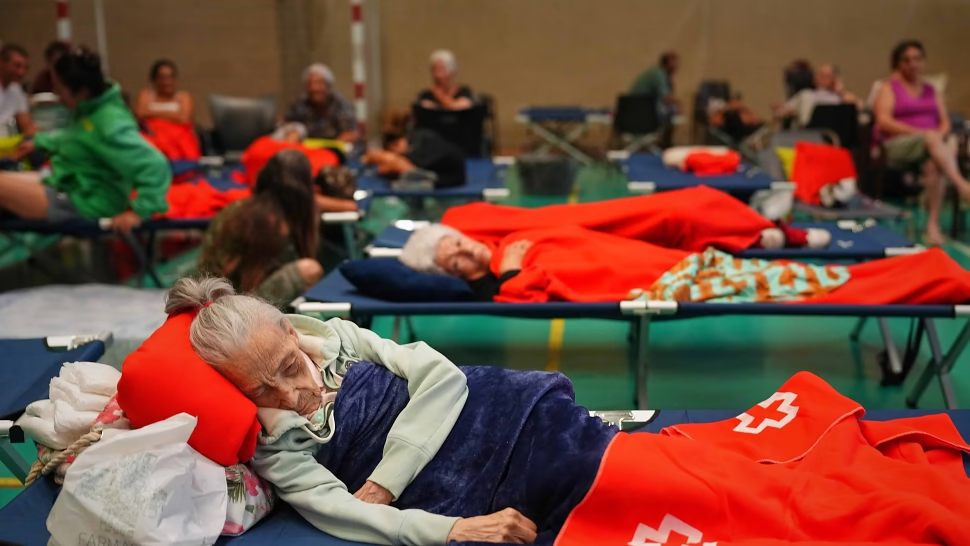
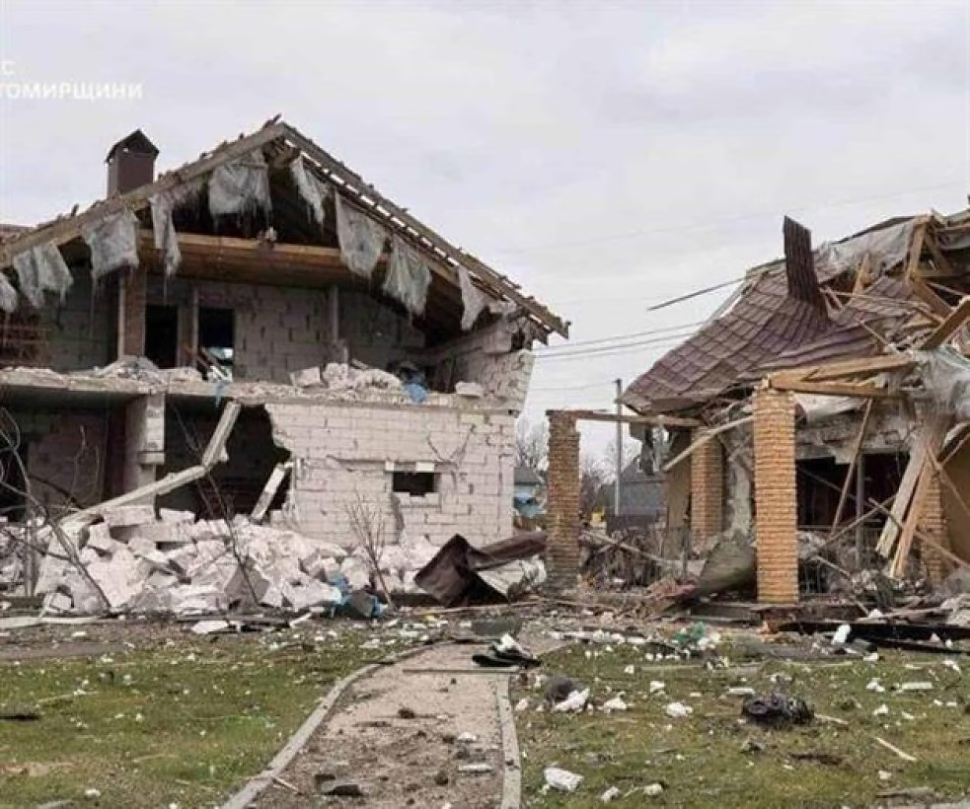
The Russian armed forces executed a massive air offensive against Ukrainian territory overnight, deploying a combination of more than 650 unmanned aerial vehicles (drones or UAVs) and 38 high-precision projectiles (missiles). This coordinated assault, which occurred just 48 hours before the Christmas celebration, resulted in at least three fatalities, including a child under four years old, and generated widespread power outages that affected thirteen regions of the country. The target of the bombing included both residential civil infrastructure and strategic assets in the energy and port sector, as confirmed by Ukrainian authorities.
Strategic implications and the response of the Ukrainian leadership
The president of Ukraine, Volodymyr Zelenskyy, interpreted this bombing as a strong indicator of the Kremlin’s determination to persist in its large-scale invasion. In a message published on the messaging platform Telegram, the president criticized the timing of the attack, which coincided with diplomatic peace talks facilitated by the United States. “An attack of this magnitude on Christmas Eve, when citizens long to be reunited with their loved ones, sends an extremely clear message about Moscow’s priorities and strategy,” Zelenskyy said. This action highlights a recurring tactic of attacking the national electrical grid, seeking to undermine the morale of the population and destabilize the economic and logistical functioning of the country during the winter.
Defense analysts point out that the use of a swarm of hundreds of drones, presumably Iranian-made models such as the Shahed, along with cruise missiles, represents a major logistical and air defense challenge. The saturation of early warning and interception systems is a key tactical objective in this type of offensive. The resulting extensive blackouts are not just a collateral consequence, but a deliberate military objective within hybrid warfare doctrine, intended to generate a humanitarian and operational crisis. Ukraine’s ability to quickly repair this damage to its critical infrastructure has become an additional front in this conflict, as crucial as the ground combat.
This episode reinforces the asymmetric nature of the conflict, where Russia’s long-range air and artillery power is contrasted with Western resilience and air defense systems supplied to Ukraine. The persistence of attacks against civilian and energy targets, far from the main battle fronts, evidences a strategy aimed at prolonging the suffering of the population and testing the long-term resilience of the nation. The international community observes with concern how these methods impact international humanitarian law and shape the outlook for future rounds of negotiations, which seem more distant after this show of force.
Share this analysis to keep your network informed about the complexities of the conflict and explore more content on geopolitics and global security on our site.