Místico’s behavior with his fans generates controversy on networks
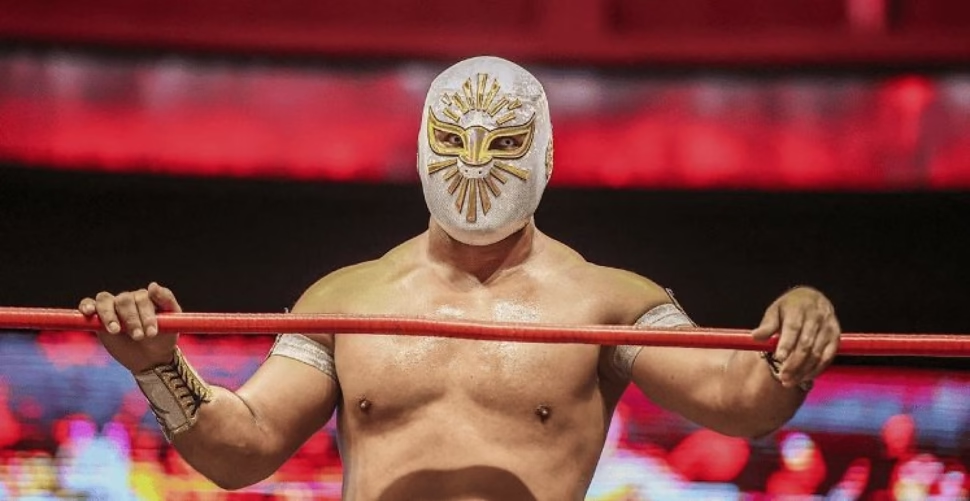
A detailed analysis of recent events reveals a pattern of behavior by the Mexican wrestler Místico that has sparked an intense public debate about the relationship between entertainment figures and their fan base. The situation, documented extensively on digital platforms, transcends mere gossip to raise fundamental questions about the social responsibility of professional athletes and the management of their public image.
Analysis of documented incidents
The controversy originated from a series of audiovisual testimonies published on Instagram, TikTok and X (formerly Twitter). These materials, recorded by the fans themselves during paid encounters, such as photo sessions, show interactions where the gladiator of the World Wrestling Council (CMLL) exhibits a consistently distant and, in some cases, openly disdainful attitude. The core of the conflict lies in the apparent contradiction between the expectation of a memorable experience, justified by the financial payment made, and the reality of treatment perceived as cold and evasive.
Breakdown of specific interactions
The reports are meticulous in their details. In one case, a follower attempted to show the idol a manicure and tattoo dedicated to him, specifically inspired by his submission key “The Mystic“, being interrupted and not receiving space to express her admiration. The fighter alleged “copyright” restrictions to refuse to record a personalized greeting, an argument that has been questioned by sports marketing experts for its lack of foundation in informal fan contexts.
Another testimony describes a similar experience: a fan, a self-declared main admirer of the fighter, recounts how his attempts to greet were ignored, leaving his hand extended without reciprocity. The request for an autograph on the newly taken photograph was met with visible reluctance and without eye contact, culminating in disappointment expressed with a cinematic quote: “you can’t count on anyone, especially your heroes”. This episode symbolizes the fracture of the emotional bond that sustains the figure of the sports hero.
Context and reactions of public figures
The dimension of the scandal was amplified with the intervention of former federal legislator Nayeli Salvatori. His testimony provides an additional layer of analysis, focusing on the dynamics when followers are children. Salvatori recounted how, during an event with multiple wrestlers, Místico was the only one who flatly refused to send a greeting to his young son, a fervent admirer of wrestling. His criticism, “if you don’t like people, don’t leave your house”, transcends the personal anecdote to point out a basic social expectation associated with fame: the polite, minimal and formal interaction with the public that sustains the athlete’s career.
This incident raises an ethical question for the industry: the moral obligation of stars, particularly those with child followings, to foster positive experiences. The attitude described contrasts markedly with that of other colleagues at the same event, who did agree to the simple request, which suggests that the behavior is not a general norm in the environment, but rather an individual position.
Implications for personal branding and the industry
From a communication and brand management perspective, the facts analyzed represent a case study on the risks of underestimating the narrative controlled by consumers in the digital age. Each video or testimony functions as evidence content that erodes the heroic narrative carefully constructed in the ring. The epithet “Prince of Silver and Gold“, which evokes nobility and courage, clashes head-on with the perception of arrogance and disdain generated by these interactions.
The immediate consequence is a reputation crisis managed not by the traditional press, but by the digital community. The long-term impact on its symbolic capital—its ability to sell tickets, merchandise, and, crucially, paid fan experiences—remains a serious question. The lesson for the wrestling and entertainment ecosystem in general is clear: in today’s attention economy, the performance does not end when you leave the ring; It extends to every micro-interaction, where the fan is no longer a passive spectator, but a potential documentarian and judge.
Will this episode mark a turning point in the behavior of sports idols towards their audience? Share this analysis on your social networks to expand the conversation and explore more content related to ethics and culture in professional sports on our platform.